REVIEW · BOLOGNA
Bologna Grand Tour Italy: sfoglini for a day
Book on GetYourGuide →Operated by Grand Tour Italia S.r.l. · Bookable on GetYourGuide
Pasta skills in one hour. This Bologna Grand Tour Italy sfoglini class is a fast, hands-on way to learn real techniques for fresh pasta, guided by an experienced sfoglina. I especially like the chance to work the dough directly and the focus on classic formats like tagliatelle.
One more thing I like: you get to bring your pasta home, so the lesson doesn’t end when the hour does. One possible drawback is pace: one review flagged that the teaching time can feel tight and rushed in some sessions, so if you need lots of explanation, come ready with questions and don’t expect a long, slow demo (timing can be the swing factor).
In This Review
- Key things to know before you go
- Why a 1-Hour sfoglini Session Works in Bologna
- Finding the Friuli Venezia Giulia Meeting Spot Inside the Park
- Rolling Pin Basics: Old-Fashioned Puff Pastry First
- Fresh Pasta Technique: How the Dough Teaches You
- Tagliatelle Shaping: The Classic You’ll Want to Repeat
- Tortellini Practice and Other Shapes You Might Work On
- Do You Eat It Here? What to Expect With Your Pasta
- Price and Value: What $21 Buys You in Bologna
- Pace, Attention, and When This Course Feels Too Tight
- Language, Accessibility, and Real-World Comfort
- Who This Course Suits Best in Emilia-Romagna
- Should You Book the Bologna Grand Tour Italy sfoglini Workshop?
- FAQ
- How long is the sfoglini workshop?
- How much does it cost?
- Who teaches the class?
- What languages are used during the activity?
- What do I learn in the workshop?
- Is the pasta tasted during the course?
- Can I take the pasta home?
- Where is the meeting point?
- Is the activity wheelchair accessible?
- Is free cancellation available?
- Is there a pay-later option?
Key things to know before you go
- Experienced sfoglina supervision keeps you from guessing on the dough work
- Old-fashioned puff pastry basics plus fresh pasta technique in the same hour
- Hands-on shaping focused on traditional names like tagliatelle and tortellini
- Take-home pasta is the goal, not a full sit-down meal
- One-hour format means faster instruction than you might want if you learn slowly
Why a 1-Hour sfoglini Session Works in Bologna
If you’re short on time in Bologna but still want something you’ll remember (and use), this kind of class makes sense. A one-hour workshop forces you to focus on technique over theory. You’ll spend your time rolling, pressing, shaping, and learning what to look for in the dough rather than just watching.
I like that it’s aimed at culinary practice. This isn’t only about learning what pasta looks like; it’s about learning how dough behaves. That matters, because fresh pasta is more about feel than fancy equipment.
It also fits the rhythm of a real food trip: you’re in Emilia-Romagna, surrounded by kitchens and classics, but you’re not committing to a half-day cooking program. For $21 per person, you’re paying for guided hands-on time with a professional.
If you're still narrowing it down, here are other tours in Bologna we've reviewed.
Finding the Friuli Venezia Giulia Meeting Spot Inside the Park
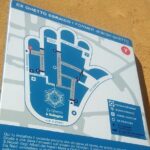
The meeting point is listed as Friuli Venezia Giulia, inside the park area of the activity. You access it from the main entrance, so don’t show up wandering around side paths and hoping it’s obvious.
This is one of those details that can make or break a short experience. With only an hour, arriving late means you lose the most practical part: working the dough with instruction in real time. I’d build in extra walking time from the main entrance and aim to be there early enough to get settled.
Also note: some content may be shown in the original language. That’s normal for Italy and usually doesn’t stop you from following along, especially in a class where your hands are doing the learning. If you’re English-speaking, it helps that the instructor can work in Italian and English.
Rolling Pin Basics: Old-Fashioned Puff Pastry First
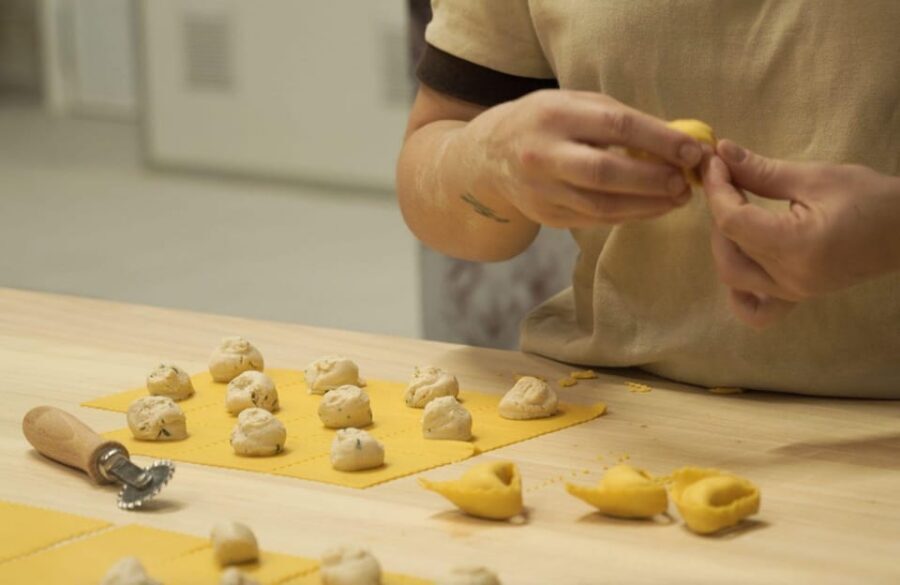
The workshop starts with puff pastry, done the old-fashioned way. That’s a key detail because puff pastry technique is all about layers, consistency, and timing. Even if you’re mainly there for pasta, this first part gives your hands a warm-up and teaches a few core dough principles.
You’ll learn how to work with the dough and how to apply a steady approach with the rolling pin. The goal isn’t to produce something perfect on day one; it’s to learn what “good” feels like so you can repeat the process later.
If you’re the kind of cook who likes understanding the mechanics, you’ll probably appreciate this sequence. It’s not random. Puff pastry and fresh pasta both demand attention to texture, but they teach that attention in different ways.
Fresh Pasta Technique: How the Dough Teaches You
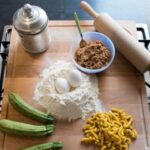
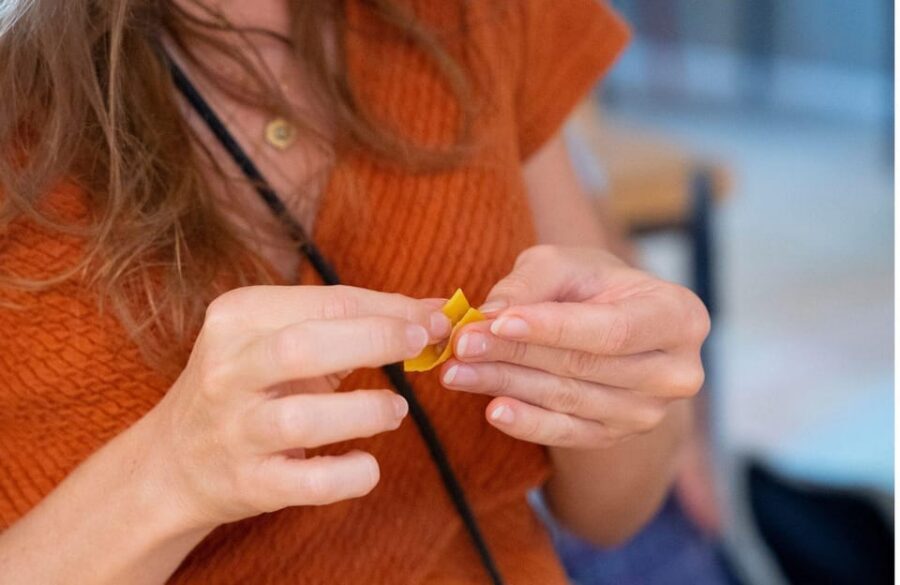
After the pastry work, you shift into fresh pasta. The class focuses on hands-on techniques for making traditional specialties at home. That means you’ll practice the kind of steps that usually get glossed over when you only watch videos.
In a workshop this short, you’re not going to cover every possible pasta style. Instead, you’ll concentrate on core skills: managing dough consistency, working it without tearing, and keeping your shaping technique consistent enough that the finished pasta looks right.
You’ll also get supervised instruction while you work. That’s important for fresh pasta, because small mistakes compound quickly. A tiny issue early can turn into a sticky mess or misshapen pieces later.
And yes, the point is to make pasta the Bologna way—practical, traditional, and meant to be shared.
Tagliatelle Shaping: The Classic You’ll Want to Repeat
Tagliatelle is specifically called out as part of what you’ll discover in the class. That’s a great choice for learners, because tagliatelle is both iconic and forgiving compared to some more intricate shapes.
When a course includes tagliatelle, it often means you’ll learn how to handle the dough to produce clean strips and how to manage thickness and handling so it doesn’t turn into a sticky struggle. Even if your first attempt isn’t restaurant-ready, you should leave with enough technique to improve quickly at home.
One theme from the strong feedback is that the class makes people want to go home and keep practicing tagliatelle. That’s exactly what you should look for in a good workshop: you leave with confidence and a plan, not just a souvenir.


Tortellini Practice and Other Shapes You Might Work On
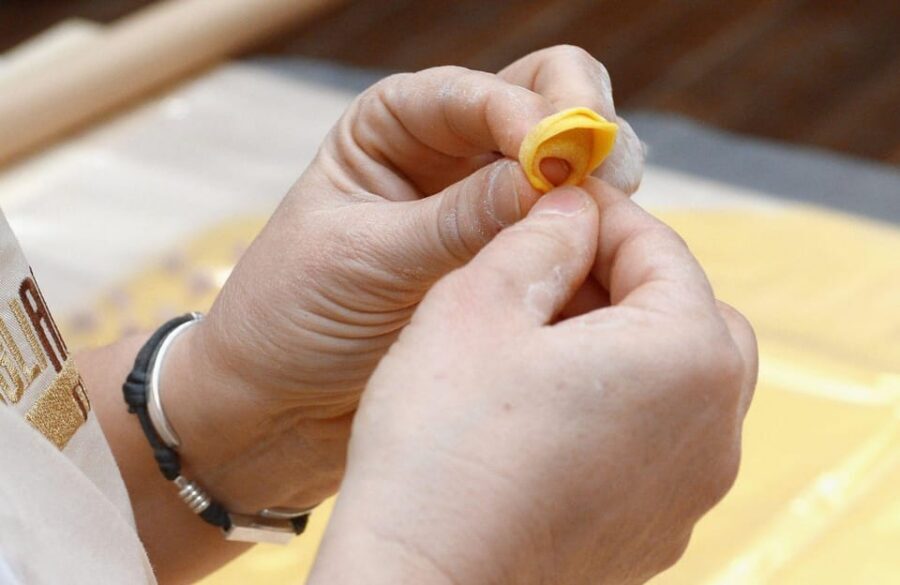
Tortellini is also highlighted as a traditional specialty tied to the course. Tortellini is a step up in shaping because it requires more careful forming. It also tends to be the type of pasta where supervision really matters—because if your dough is too dry or too soft, your folds won’t hold.
Some sessions, based on feedback, go beyond the named classics. People report practicing multiple formats such as tortellini, tortelloni, farfalle, linguine, and tagliatelle. That’s a good sign for variety, but it can also signal that the hour is packed.
Here’s the practical takeaway: if you want to learn one or two shapes deeply, you might need to be proactive. Ask for clarification while you work. If the class is moving fast, the best thing you can do is focus on doing each step correctly rather than trying to perfect everything at once.
Do You Eat It Here? What to Expect With Your Pasta
The activity states that the pasta prepared during the course will not be tasted, and you can take it home. So plan on this being a take-home skill session more than a meal experience.
At the same time, some feedback indicates that pasta may be cooked and served with a sauce at the end. That suggests the exact end moment can vary by session. Don’t count on a full tasting, but do expect that you’ll likely have a short wrap-up once your pasta is shaped.
So how should you set expectations? Think of it like this:
- You’ll get instruction and hands-on making.
- Your main reward is practice you can repeat.
- Any on-site serving may be brief and dependent on timing.
Price and Value: What $21 Buys You in Bologna
At $21 per person for a one-hour hands-on class, this is positioned as good value, especially because the workshop is supervised by an experienced sfoglina. You’re not just paying for someone to tell you about pasta. You’re paying for corrected technique while your hands are actually involved.
You also leave with pasta. That’s real value: even if you don’t get a tasting on site, the materials you make become dinner later. For many food travelers, that makes the experience feel more substantial than a short “watch and snack” stop.
That said, value depends on whether the pace matches your learning style. One critical note mentioned that the lesson felt too fast, with less time spent on explanations than expected. If you’re a slow processor or you need extra time to absorb step-by-step instructions, you may find the compression frustrating.
In short: it’s a bargain for hands-on learning, but it’s not a relaxed culinary seminar.
Pace, Attention, and When This Course Feels Too Tight
The strongest praise centers on the instructor’s ability to transmit technique and passion. People also mention getting chances to practice several formats, which usually means the class keeps moving and keeps you involved.
The one real drawback in the feedback is timing and attention. If your session runs short on teaching time, you might finish the hour feeling like you did the motions but didn’t fully understand the why behind them.
If you fall into that category, here’s how you can protect yourself:
- Arrive early and be ready to start without delay.
- Watch how your dough looks in the moment, then ask one focused question right away.
- If you’re unsure about thickness or folding, stop and clarify before moving on.
Because the course is only one hour, you’ll get the best results if you treat it like a coaching session. Ask early, not after you’re done shaping.
Language, Accessibility, and Real-World Comfort
The instructor can work in Italian and English, which is a big plus if you don’t speak fluent Italian. You might still see some content presented in the original language, but the hands-on nature helps you follow along without needing every word.
It’s also wheelchair accessible. That matters because food classes can sometimes be hard to navigate if the workspace is cramped or uneven. Having accessibility explicitly stated is worth paying attention to when you’re planning.
If you’re someone who likes clear communication, I’d take advantage of English support when you can. Fresh pasta technique is easier to learn when you can confirm what the instructor means, not just mimic what you see.
Who This Course Suits Best in Emilia-Romagna
This is ideal if:
- You like hands-on cooking and want to learn by doing.
- You’re interested in Bologna classics like tagliatelle and tortellini.
- You want a short activity that still feels like it adds a real skill to your trip.
- You plan to cook at home soon, while the steps are still fresh.
It may be less ideal if:
- You need a slow, step-by-step explanation with lots of idle time for questions.
- You want a guaranteed meal experience on site. The pasta is described as not tasted; take-home is the main plan.
If you’re in Bologna for a food-focused day and want one memorable cooking skill, this fits. Think of it as a practical “start here” class that gets you cooking Italian pasta with more confidence.
Should You Book the Bologna Grand Tour Italy sfoglini Workshop?
I’d book it if you want a compact, coached pasta workshop and you’re excited to practice shaping at least one classic. The combination of an experienced sfoglina, a true hands-on format, and the ability to take your pasta home makes it a strong value at $21.
Before you click confirm, match the course to your learning style. If you’re okay with a fast hour and you learn best by jumping in, you’ll likely love it. If you need lots of explanation time, consider arriving early, asking questions quickly, and focusing on mastering the fundamentals over perfecting every detail.
If you’re on the fence, this is the kind of activity where you’ll get the most out of it by treating it like a workout for your hands: do the steps, ask for one clear adjustment, and plan to cook your pasta at home right away.
FAQ
How long is the sfoglini workshop?
The course lasts 1 hour.
How much does it cost?
It’s listed at $21 per person.
Who teaches the class?
An experienced sfoglina supervises the workshop.
What languages are used during the activity?
The instructor works in Italian and English.
What do I learn in the workshop?
You learn traditional techniques for making puff pastry the old-fashioned way and making fresh pasta, including classic shapes like tagliatelle and tortellini.
Is the pasta tasted during the course?
The activity information says the pasta prepared during the course will not be tasted, and you can take it home.
Can I take the pasta home?
Yes, you can take the pasta you prepare home.
Where is the meeting point?
The meeting point is at Friuli Venezia Giulia, inside the park area. Access is from the main entrance.
Is the activity wheelchair accessible?
Yes, it is wheelchair accessible.
Is free cancellation available?
Yes. You can cancel up to 24 hours in advance for a full refund.
Is there a pay-later option?
Yes. You can reserve now and pay later.