REVIEW · BOLOGNA
Jewish Bologna and Modena or Ferrara
Book on GetYourGuide →Operated by Stephanie Foulkes Tourist Guide ER · Bookable on GetYourGuide
Bologna wears its Jewish past in plain sight. You’ll walk through old ghetto streets and then ride the train to either Ferrara or Modena, where the story shifts from oppression to community life. It’s a focused route through real places tied to discrimination, survival, and the long thread of Jewish life in Emilia-Romagna.
I especially like the way the tour connects “then and now.” You start with Roman-era context and the centuries of expulsions and marginalization in Italy, including two expulsions from Bologna, before landing in neighborhoods that still shape how you understand the cities today. I also love the structure: a guided Bologna walk, then a train jump, so you feel how one region can tell different Jewish stories.
One thing to plan for is timing and access. The trip is not available on Mondays because key museum hours close, and some specific synagogue visits depend on the day (and even the day of the week you’re there).
In This Review
- Key things that make this tour worth your time
- Jewish Bologna and Modena/Ferrara: why this route matters
- Bologna walking stops: towers, ghetto, and Santo Stefano’s Jewish fingerprints
- The two towers and the old Jewish guild link
- The old ghetto and museum area
- Santo Stefano, the seven churches, and the Sforno family house
- Synagogue check-ins and the Rose window note
- The Bocchi building with a rare Jewish inscription
- The train jump: how the story changes toward Ferrara or Modena
- Ferrara itinerary: MEIS, the ghetto streets, and a Renaissance city’s twist
- Guided Ferrara walk and Jewish area focus
- Why MEIS is a big deal
- Ferrara as the “first renaissance city”
- A city that isn’t only about oppression
- Modena option: ghetto-and-square sightseeing with a tighter footprint
- Price and timing: is $70 good value?
- The guide matters: what Stephanie Foulkes brings to the day
- Who this tour is best for (and who might not love it)
- Should you book Jewish Bologna and Modena/Ferrara?
- FAQ
- How long is the tour?
- Is this tour available on Mondays?
- What cities are included?
- What are the main stops in Bologna?
- Will we be able to visit the synagogue on via dei Gombruti?
- What is MEIS?
- What transportation is used?
- Is the tour only for Ferrara, not Modena?
- What does the $70 price include?
- What extra costs should I expect?
Key things that make this tour worth your time
- Bologna’s Jewish landmarks in one paced walk, including the two towers tied to an old Jewish guild
- A ghetto-and-museum visit that frames discrimination without losing the human story
- Santo Stefano stops with the Jewish-Sforno family connection, so you see Jewish influence in the mainstream city
- Ferrara’s MEIS visit for the Italian Museum of Judaism and the Shoah, when the dates align
- A flexible outcome (Ferrara or Modena) that lets you choose a louder spotlight or a quieter look
Jewish Bologna and Modena/Ferrara: why this route matters
This is not a “one museum and out” kind of day. It’s a route that treats Jewish history as part of the cities themselves, not a side quest. You’ll start in Bologna with context going back to earlier eras, then you’ll move into either Ferrara or Modena to see how local power, civic choices, and community life changed the experience.
What makes it feel valuable is the balance. The tour talks about discrimination and ghetto life, but it also shows Judaism as woven into daily culture—through people, buildings, and community structures. In other words, you’re not only learning what happened; you’re learning where it happened, and what remained.
And because the tour is guided in English, you get the explanations you usually miss when you’re reading plaques on your own—especially around the places whose meaning is easy to overlook.
Other Modena day trips from Bologna

Bologna walking stops: towers, ghetto, and Santo Stefano’s Jewish fingerprints
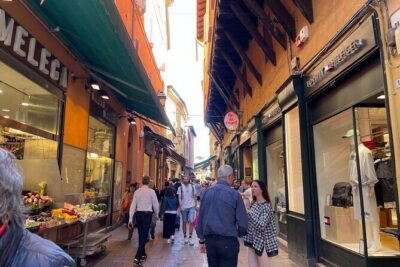
Bologna anchors the day, with a walk designed to make you recognize Jewish presence as you move through the center. Expect the tour to include about an hour in Bologna before you head to the station.
Here are the Bologna highlights and what to watch for:
The two towers and the old Jewish guild link
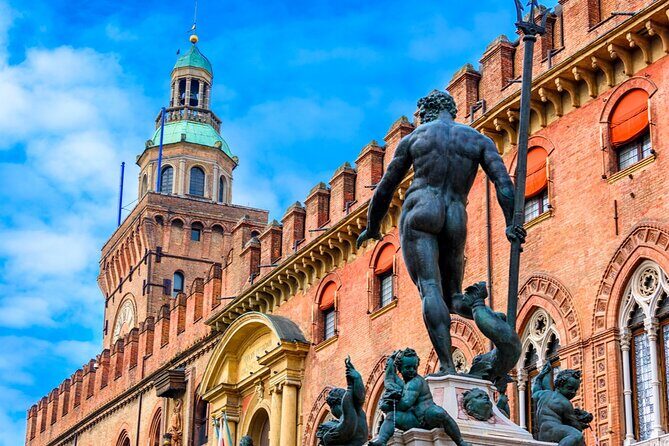
You’ll visit the two towers tied to an old Jewish guild. It’s the kind of detail that changes how you read a city: towers sound medieval, but the point here is community organization and civic visibility. Even if you don’t have the local background, your guide should help you connect architecture to social life.
The old ghetto and museum area
Next comes the old Jewish Ghetto and Museum. This is where the tour’s tone turns practical: you learn about exclusion and how ghetto life shaped rules, movement, and identity. You also learn the heavier lesson without turning the day into a blur of dates.
If you like learning through place, this stop is the core. It gives you geography for everything else you’ll hear.
Santo Stefano, the seven churches, and the Sforno family house
Then you shift to Santo Stefano, famously known as the seven churches. After that, you go to Santo Stefano square with the house of the Jewish-Sforno family. This pairing is smart. It places Jewish connections into a well-known church zone, so Jewish influence doesn’t feel sealed off behind a historical fence.
Even when you’re walking through a classic tourist area, the guide helps you see how Jewish families were tied to broader civic life.





Synagogue check-ins and the Rose window note
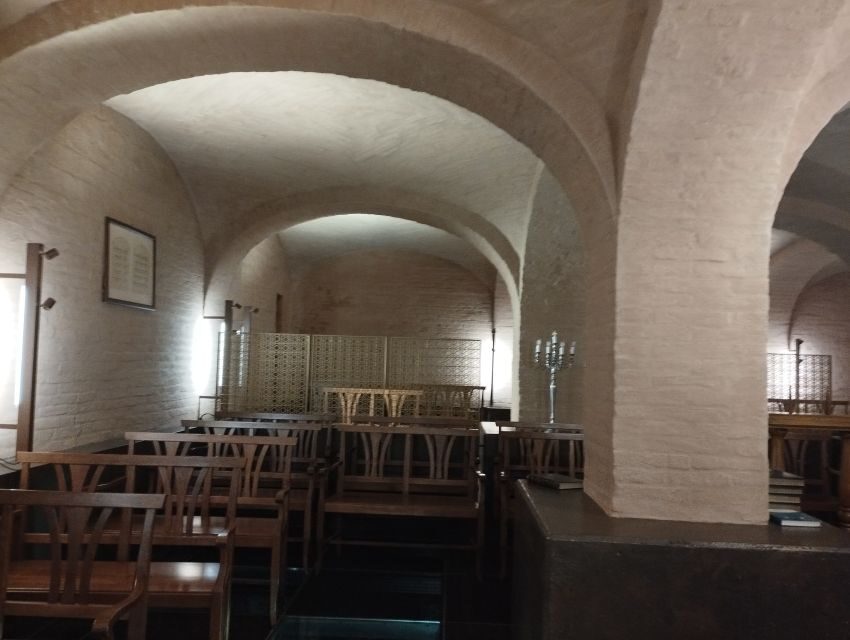
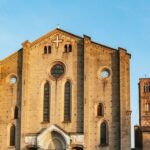
The tour also includes a follow-up on the 19th-century synagogue at 9, via dei Gombruti, known for its Star-of-David rose window. The key practical detail: the guide contacts the community to check whether it’s visitable. It’s not on Friday or Saturday, and it’s not visitable on Sundays.
So if synagogue access is high on your wish list, plan your days around that reality. You’ll still see plenty even if that specific visit can’t happen.
The Bocchi building with a rare Jewish inscription
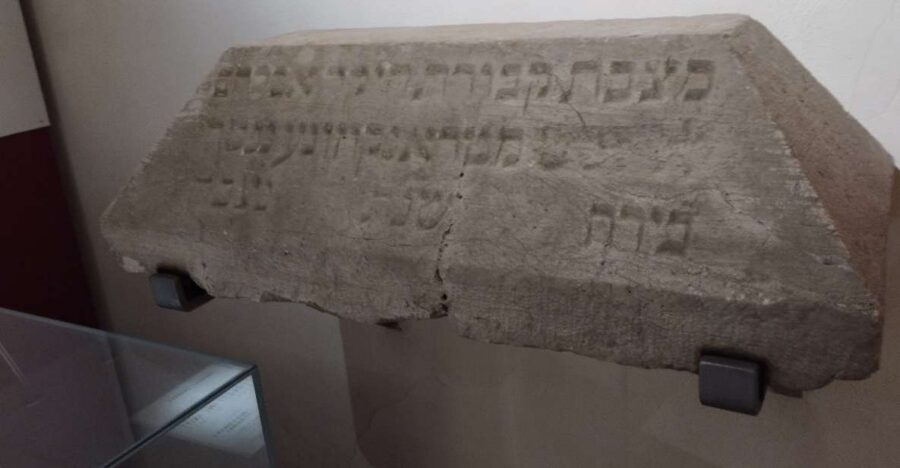
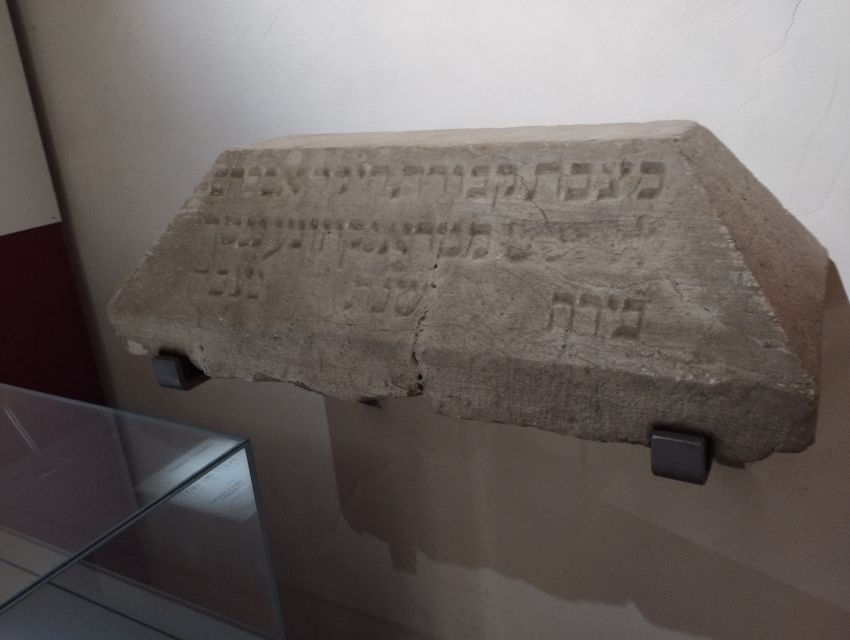
You’ll also stop by the Bocchi building, noted for having the only Jewish inscription in Europe. That’s the sort of marker that makes you stop and look twice—because it hints that Bologna’s Jewish story left physical traces you might otherwise walk past without noticing.
Bring comfortable shoes. Bologna’s center has cobblestones, and you’ll be on your feet long enough for sore calves to become real.
The train jump: how the story changes toward Ferrara or Modena
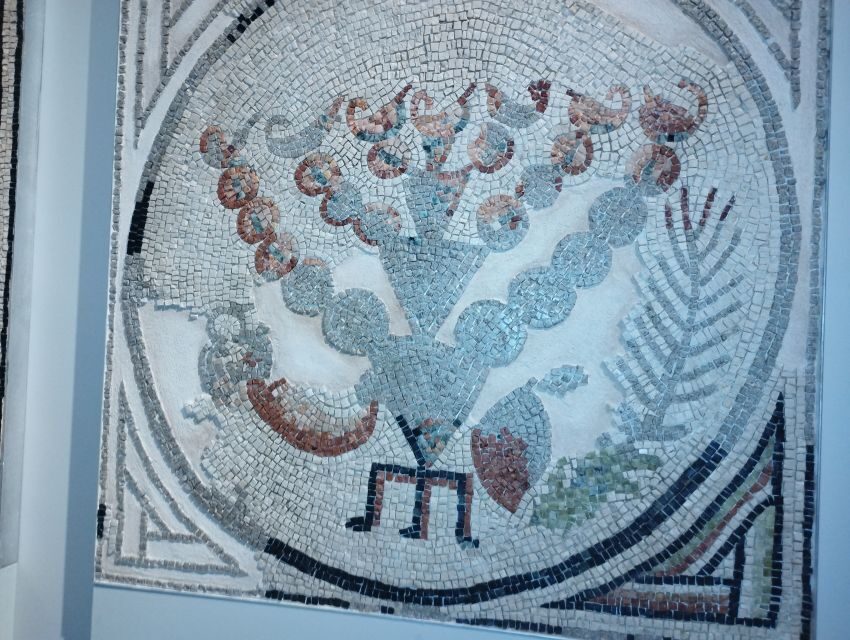
After Bologna, you’ll take a train (about 45 minutes) to your chosen city: Ferrara or Modena. This is a highlight in its own way. The ride itself doesn’t just move you geographically; it reframes the narrative you’ve just learned.
You’ll arrive with the Bologna context in your head: centuries of Jews in Italy, repeated expulsions, ghetto life, and moments where civic authorities mattered. Then the destination tells you how local politics and culture affected what life could look like.
The tour timing is described as flexible depending on museum time and lunch, but you can plan around a longer day. In practice, it’s often closer to a half-day plus the train, about six hours total including the journey.
Ferrara itinerary: MEIS, the ghetto streets, and a Renaissance city’s twist
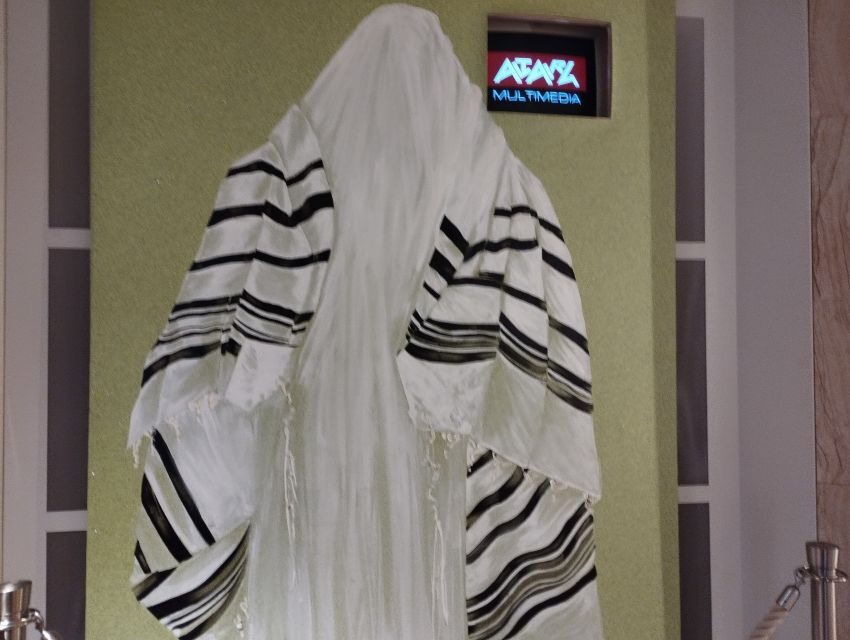
If you choose Ferrara, you get the bigger, louder spotlight: MEIS, the Italian Museum of Judaism and the Shoah. This is the main reason people select Ferrara, and it’s also why Monday scheduling matters so much. The museum is shut on Mondays, and the overall tour isn’t available then.
Guided Ferrara walk and Jewish area focus
You’ll do a guided tour in Ferrara for about two hours, with time covering the Jewish area and the ghetto. Ferrara is famous enough that you might already know the name—but this tour’s value is in the specific Jewish geography.
Why MEIS is a big deal
MEIS is not just a museum about Judaism. It covers Judaism and the Shoah through a structured, educational lens. The practical payoff for you: you’ll have a clearer understanding of how persecution unfolded and how Jewish communities responded across generations. You won’t leave with only emotion or only dates—you should leave with a better map of meaning.
MEIS can also be heavy. If you prefer a tour that’s more reflective than purely sightseeing, this is your best fit. If you want lighter energy, you may still enjoy the walk—but consider how museum content affects your mood.
Ferrara as the “first renaissance city”
The tour frames Ferrara as dubbed the first Renaissance city. That label matters because it explains why the city feels different from a place where you’d expect Jewish life to be only marginal. The point is contrast: Ferrara had a community that was allowed to flourish in certain periods, including under the Estense family, who welcomed Jews and supported a thriving presence.
That history of welcome helps you understand why the ruins of intolerance don’t erase the reality of community-building.
A city that isn’t only about oppression
You’ll walk through the ghetto area with the knowledge that Jews didn’t live only as victims. They also built institutions, practiced faith, contributed to the economy and culture, and shaped how the city worked. The tour’s emphasis on both discrimination and Judaism makes Ferrara more than a monument. It becomes an explanation.
Modena option: ghetto-and-square sightseeing with a tighter footprint
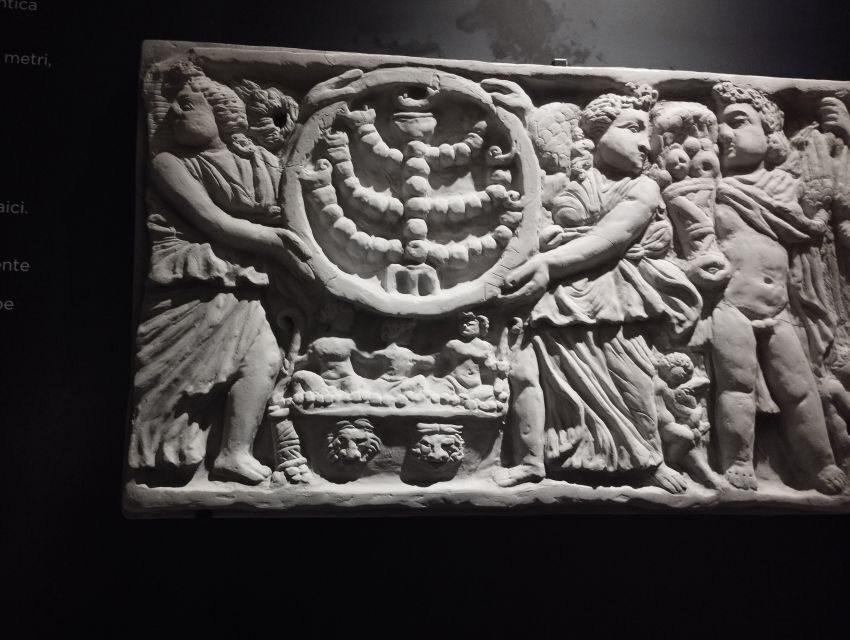
Not everyone wants the biggest museum stop. If you choose Modena, you still get the central Jewish sites, but with a more compact feel.
The tour includes the main square and ghetto in Modena. You can expect more of a “see the structure, learn the story” approach rather than a museum-heavy day. That can be perfect if you like conversation, streets, and city layouts more than long indoor stops.
One trade-off: the supplied details emphasize MEIS as the Ferrara draw, so Modena may feel less museum-focused. You’ll still hear the historical thread, but your experience may depend more on your guide’s storytelling and how long you spend on the walking portion.
If you’re choosing between Ferrara and Modena, think about your own energy level. Ferrara suits curiosity that leans toward museums and big historical framing. Modena can suit a more streets-and-squares day, especially if you want to keep the day from getting too long.
Price and timing: is $70 good value?
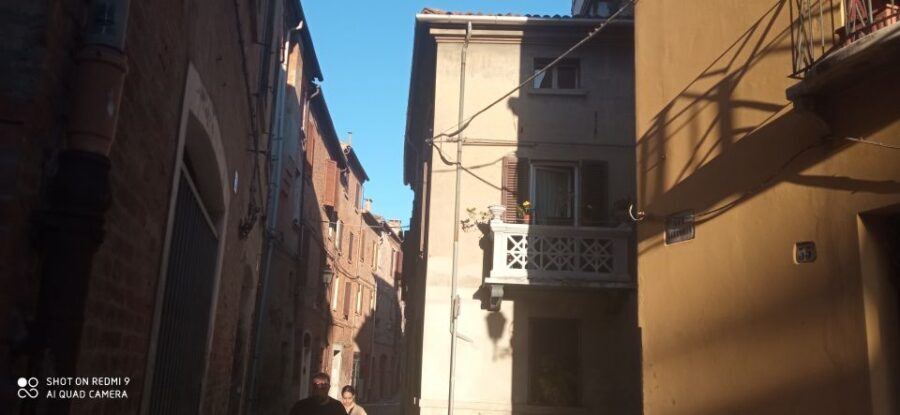
The listed price is $70 per person, and the guide’s professional skills are included. What’s not included is your train ticket to and from Ferrara (about €10.40 return per person).
Here’s how I’d think about value:
- You’re paying for a guided story that connects Bologna sites to either Ferrara’s MEIS or Modena’s ghetto area.
- You’re not paying separately for all the interpretive work your guide does: explanations, transitions, and context that you won’t get from plaques.
- Your additional cost is mainly the train ticket, which is straightforward.
If you do this on your own, you’d need to research sites, figure out museum timing, and then stitch the story together. This tour does the stitching for you, while walking you past the exact places you’d otherwise miss.
Time-wise, plan for a flexible schedule and bring snacks or plan lunch time. The tour duration is flexible based on museum time and lunch, so if you’re the kind of person who hates delays, keep your evening open just a bit.
The guide matters: what Stephanie Foulkes brings to the day
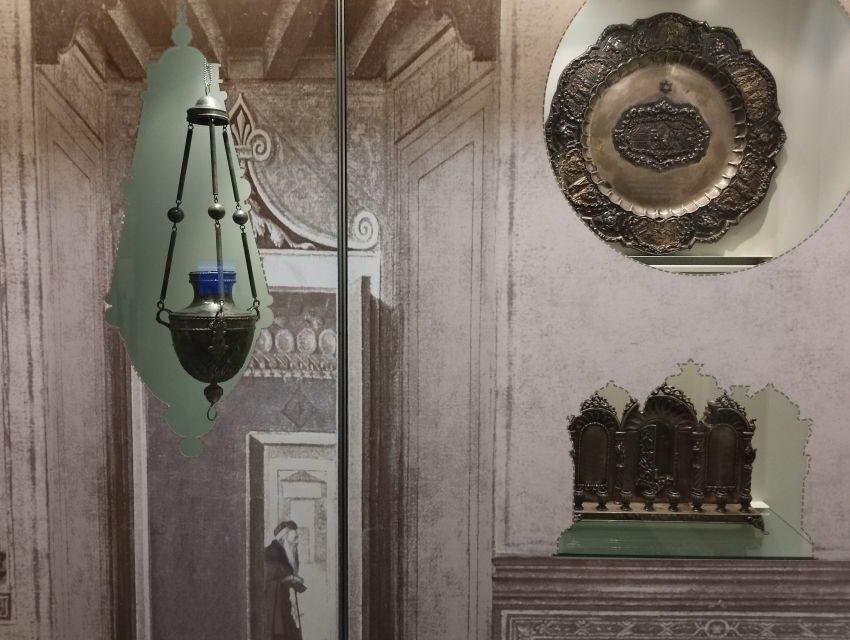
Your experience hinges on the guide, and this tour is led by Stephanie Foulkes.
The strongest praise centers on preparation. One booking noted that Stephanie asked about specific interests before the tour, which helps your day feel tailored instead of generic. Another booking highlighted how Stephanie offered a huge amount of information about Bologna’s Jewish community, past and present.
Still, balance matters. One guest said Stephanie’s speaking style was hard to follow because sentences trailed off at the end. That kind of issue can be personal—if you sometimes struggle with auditory clarity, it’s worth asking clarifying questions during the tour and checking that you’re comfortable with the pace of explanation.
Also note a common practical theme: with cobblestones and real walking time, you might feel tired before the end. One booking felt the tour could have gone longer after they became worn out, especially while moving with a wheelchair. That’s a gentle reminder: this is a structured route, not a leisurely stroll.
Who this tour is best for (and who might not love it)
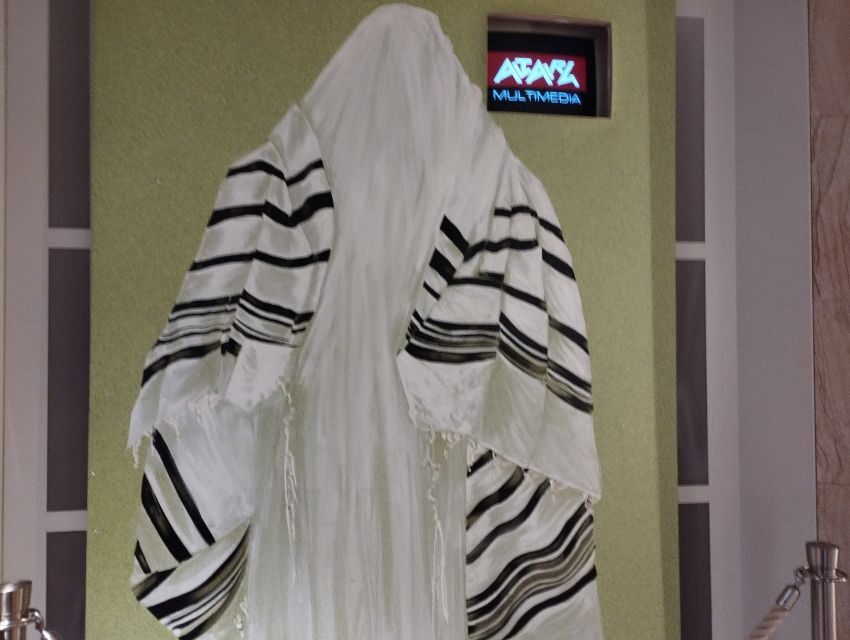
This experience is ideal if you want Jewish history tied to real places you can point to: ghetto streets, specific buildings, and the famous MEIS museum in Ferrara. It’s also a great fit if you like context—starting from Roman-era background and then tracing centuries of expulsions, marginalization, and community life.
You’ll probably enjoy it most if:
- you want a guided route rather than self-guided museum hopping
- you care about understanding how Jewish communities interacted with civic life
- you’re curious about the Emilia-Romagna thread across Bologna, Ferrara, and Modena
You might want to think twice if:
- you prefer very light topics or very short museum time
- you have tight time constraints for the day, since the schedule depends on museum time and lunch
- you strongly dislike walking on cobblestones (comfortable shoes help, but it won’t make it smooth)
Should you book Jewish Bologna and Modena/Ferrara?
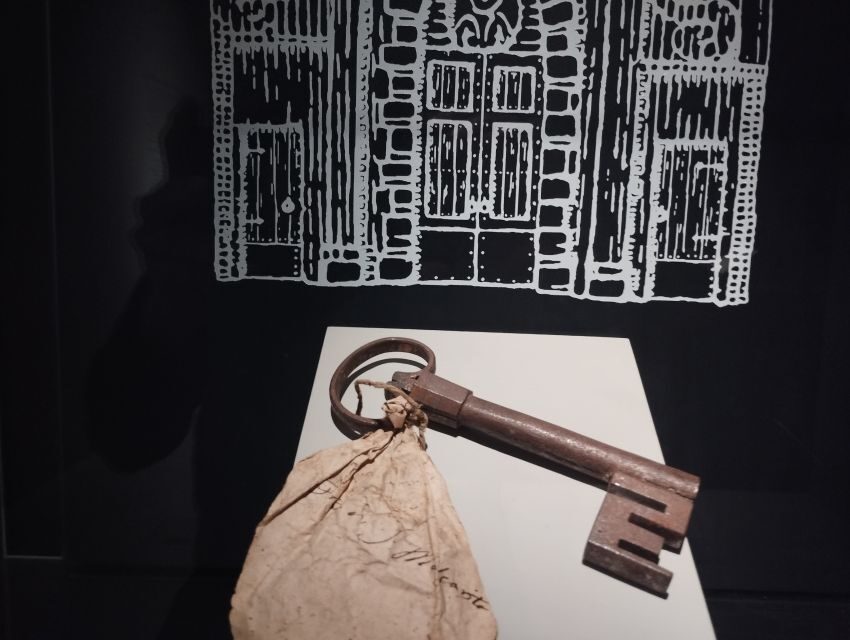
Yes, if your goal is to understand Jewish Italy through place, not through random facts. The combination of Bologna’s ghetto-and-city connections plus the train to Ferrara with MEIS (or Modena’s ghetto and square) gives you a clear sense of how Jewish life changed from city to city.
Choose Ferrara if you want the main museum focus and the clearest path to MEIS. Choose Modena if you want a more compact route with the key local sites and less time locked indoors.
If you go, plan for a real walking day and be flexible about whether the synagogue visit can happen on your dates. With Stephanie Foulkes guiding you, the tour’s biggest strength is that you should leave understanding how the story fits the streets you saw—then you can keep exploring with sharper eyes.
FAQ
How long is the tour?
The tour duration is flexible, but it’s described as about 1.5 hours to 1 day depending on the schedule. The itinerary includes around 1 hour in Bologna, about 45 minutes by train, and a guided visit of about 2 hours in Ferrara when that option is chosen.
Is this tour available on Mondays?
No. The tour isn’t available on Mondays because museums on the route are closed, including MEIS in Ferrara.
What cities are included?
You tour Jewish Bologna first, then you travel by train to either Ferrara or Modena.
What are the main stops in Bologna?
You visit places including the two towers linked to the old Jewish guild, the old Jewish Ghetto and Museum, Santo Stefano (known as the seven churches), and Santo Stefano square with the house of the Jewish-Sforno family.
Will we be able to visit the synagogue on via dei Gombruti?
The guide will contact the 19th-century synagogue at 9, via dei Gombruti to check if it’s visitable. It’s not visitable on Friday or Saturday, and it’s not visitable on Sundays.
What is MEIS?
MEIS is the Italian Museum of Judaism and the Shoah in Ferrara. If you choose Ferrara, the visit is part of the guided program.
What transportation is used?
Inside Bologna it’s a walking tour. Then you take a train to Ferrara or Modena. In Ferrara, it also mentions bus or taxi and some additional walking.
Is the tour only for Ferrara, not Modena?
No. You can choose either Ferrara or Modena. In Modena, the tour includes the main square and ghetto.
What does the $70 price include?
The included part is the guide’s skills as a professional guide.
What extra costs should I expect?
Your train tickets to and from Ferrara are not included, and the cost is listed as €10.40 per person return. If the Bologna synagogue is visited with a guide from the Jewish community, that guide cost is listed as €7 per person.