REVIEW · BOLOGNA
Make Homemade Pasta in Bologna with Professional Pasta Maker, Pio
Book on Viator →Bookable on Viator
Homemade pasta here feels like a real invitation. You get hands-on instruction from Pio, make shapes like tagliatelle and tortellini, then eat the meal with wine at home—not in a tourist restaurant.
I love how practical the class is, from rolling thin sheets to learning tricky stuffed pasta. I also like that the meal comes straight after the cooking portion, with local wines and a personal chat vibe. One drawback: there’s no hotel pickup, so you’ll need to handle your own way to Via di Corticella in Bologna.
In This Review
- Key Things You’ll Remember
- A Private Kitchen in Bologna: Where This Class Really Happens
- Meet Pio and Set the Pace for Hands-On Pasta
- Rolling and Cutting: Learning Fresh Pasta Like a Craft
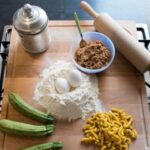
- From Tagliatelle to Tortellini (and Passatelli): What You’ll Make
- The Hour of Cooking: Turning Dough Into Dinner
- Local Wine, Real Conversation, and a Different Kind of Bologna Evening
- Why the $164 Price Makes Sense for This Kind of Class
- What You Should Bring (and How to Prep)
- Vegetarian, Allergies, and Seasonal Menus: How Flexible Is It?
- Who This Bologna Pasta Class Is Best For
- Should You Book This Homemade Pasta Class in Bologna?
- FAQ
- Where is the meeting point for this pasta class?
- How long does the experience last?
- Is this a private class?
- Who teaches the class?
- What types of pasta will we make?
- Is a vegetarian option available?
- Are beverages and wine included?
- Is hotel pickup and drop-off included?
- What should I do if someone in my group has allergies or dietary restrictions?
- Can I cancel for a full refund?
Key Things You’ll Remember
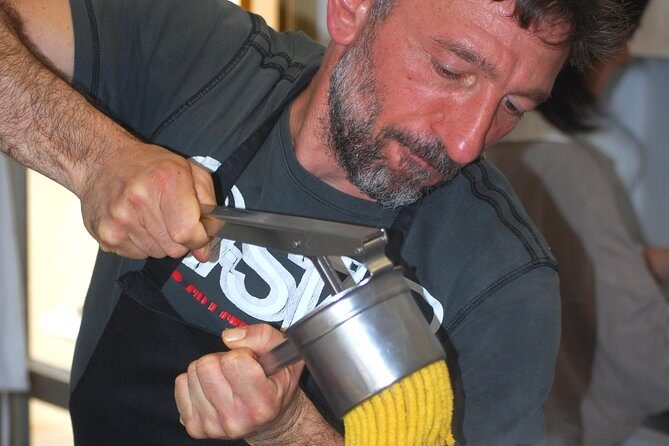
- Private kitchen time with a real pasta maker instead of a commercial class line-up
- Fresh pasta skills you can actually repeat at home: roll, cut, cook
- Stuffed and ribbon pasta in one session, including tagliatelle and tortellini
- A sit-down meal with wine, using what you just made
- Menu that can shift by season, sometimes with a regional twist like Pugliese dishes
A Private Kitchen in Bologna: Where This Class Really Happens
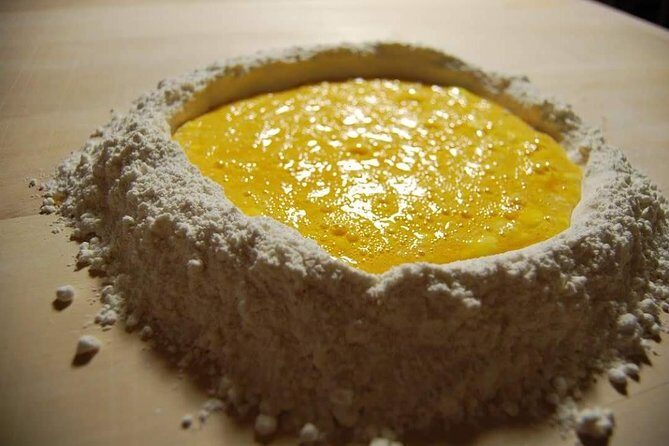
This experience is built around one thing: being in a local home, not in a classroom. You meet at Via di Corticella, then head into your host/chef’s kitchen and pasta workshop, where you learn and cook together.
That matters more than it sounds. Restaurant cooking classes often teach by speed and showmanship. Here, you’re working in the space where pasta is part of daily life and where technique is treated like craft, not performance. You also get a more human pace—time to ask, adjust, and learn what went wrong and how to fix it.
And the setting has another practical perk: you’re not racing from station to station. The experience stays focused on one goal—making great pasta—then turning it into dinner.
If you're still narrowing it down, here are other tours in Bologna we've reviewed.
Meet Pio and Set the Pace for Hands-On Pasta
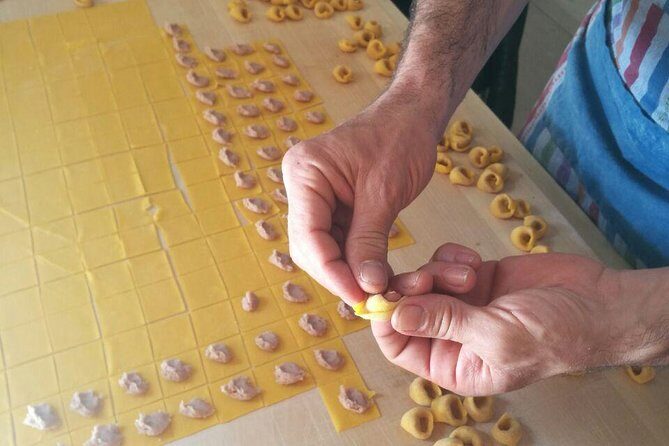
Expect a truly private, personalized session for just your group. The class is hosted by Pio, a pasta maker who teaches the process in a way that fits your pace—whether you’re a confident cook or someone who mostly heats pasta in a pot.
The structure is simple. You’ll start with guidance, then move into your own rolling and cutting. You’ll also learn how to cook your pasta so it turns out tender, not sticky, and not pasty.
One small thing to keep in mind: because this is a home visit, details can vary a bit by season. The menu may change, and what you make may reflect what’s freshest and what the host prefers that day. Still, the core skills—roll, cut, cook—stay the same.
Rolling and Cutting: Learning Fresh Pasta Like a Craft
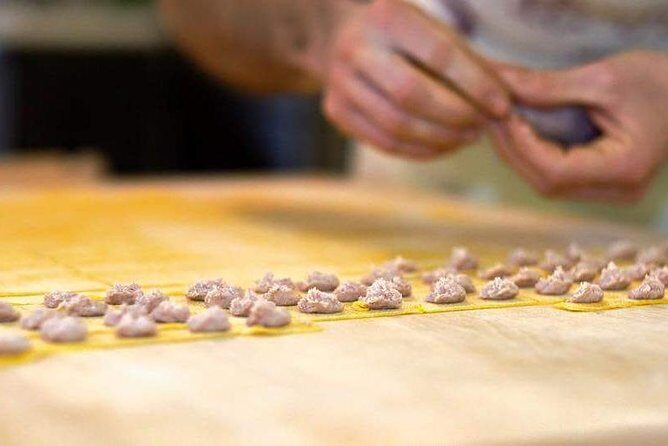
This is where the class earns its place. You’re not just assembling a dish. You’re practicing technique.
You’ll learn how to roll pasta dough thin enough to hold its shape, yet flexible enough to cut and cook well. Then you’ll work on cutting styles that match the pasta type you’re making. That combination—thin sheet control plus clean cutting—is what separates good pasta from okay pasta.
If you’ve ever tried making pasta at home and ended up with uneven thickness, you’ll recognize the lesson fast. The host’s job is to help you get consistent sheets and repeatable results. In past sessions, there’s also been English support when needed, so don’t stress if your Italian is rusty.
And yes, there’s likely some hands-on real-life pasta gear involved—your host uses methods meant specifically for pasta making, not a general kitchen setup.
From Tagliatelle to Tortellini (and Passatelli): What You’ll Make
You can expect to work with classic Bolognese shapes such as tagliatelle and tortellini. You may also cover passatelli, which is another staple in the region and gives you variety in texture and technique.
Stuffed pasta is usually where people feel the most friction. If you’ve ever struggled with sealing or getting the filling distributed right, this class is made for that moment—because you’ll be guided through the tricky parts rather than left to figure it out alone.
Menu variations can happen, and the host may include a couple of dishes prepared in advance to round out the meal. That’s normal for a home kitchen where not everything is done from scratch at the last minute. It also helps you spend your energy on what matters most: your pasta skills and getting dinner on the table.
One extra angle I think you’ll appreciate: the host may mix in a couple of Pugliese dishes alongside local Bolognese favorites. Italy isn’t one cooking style. This is a good reminder that Italian food is regional first, not national sameness.
The Hour of Cooking: Turning Dough Into Dinner
The cooking portion lasts about an hour. That timing is great because you get enough practice to feel like you made something real, but you’re not stuck in the kitchen for the whole day.
You’ll learn how to cook the pasta you just shaped. That includes figuring out how long it needs, and how to handle it so it doesn’t break apart. Cooking is often where homemade pasta can either shine or fall flat—so the class focus here is smart.
Then you shift gears: you stop working and sit down to enjoy what you made. That change matters. You get the satisfaction of doing the work, without the letdown of watching someone else serve while your pasta turns cold.
Beverages are included, and the meal is accompanied by local wines. This is one of those details that makes the experience feel complete. Food is better when you slow down, and wine helps you do exactly that.

Local Wine, Real Conversation, and a Different Kind of Bologna Evening
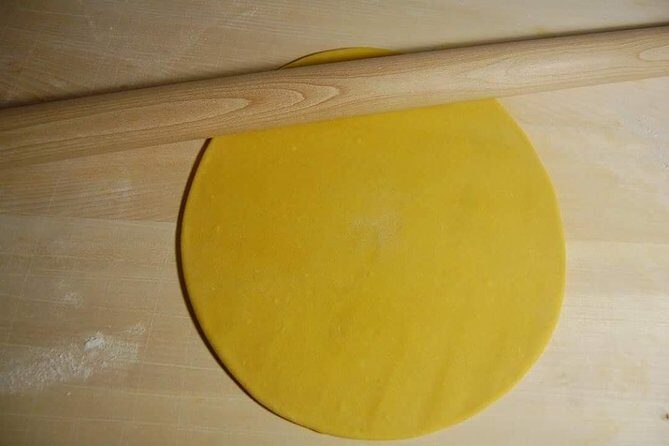
This experience isn’t about checking off a cooking box. It’s about sharing a meal with a host who clearly enjoys teaching.
You’ll likely talk during cooking and after dinner. You’re learning culture by watching how someone builds a meal, not by reading about it. You’ll also pick up small culinary cues—how the host thinks about dough texture, portioning, and what makes the pasta taste like it belongs in Bologna.
One fun detail from the highlights: there’s a rumor Pio’s second passion can include American swing dance. Even if that comes up only briefly, it’s a reminder that this is a person with interests, not a server reciting a script.
There’s also a vibe of friendliness. In one version of this experience, the host made guests feel like they were visiting friends, not attending a booked activity. That’s not a small thing. It changes how willing you feel to ask questions and try again.
Why the $164 Price Makes Sense for This Kind of Class
Let’s talk value plainly. At $164 per person for about 4 hours, this isn’t the cheapest “learn pasta” option. But your money goes to the right places.
You’re paying for:
- A private class (just your group)
- Instruction from a professional pasta maker
- A full meal you helped make
- Beverages and local wines
- All taxes and fees
- Gratuities
And unlike a commercial class, you’re entering a Bologna home. That’s overhead in a different form—your host is sharing time, kitchen space, and know-how, not renting a teaching room and running a schedule machine.
The one cost to watch on your side: hotel pickup and drop-off aren’t included. So your total cost depends on how you get there. If you’re already near public transport, that’s easy to manage.
What You Should Bring (and How to Prep)
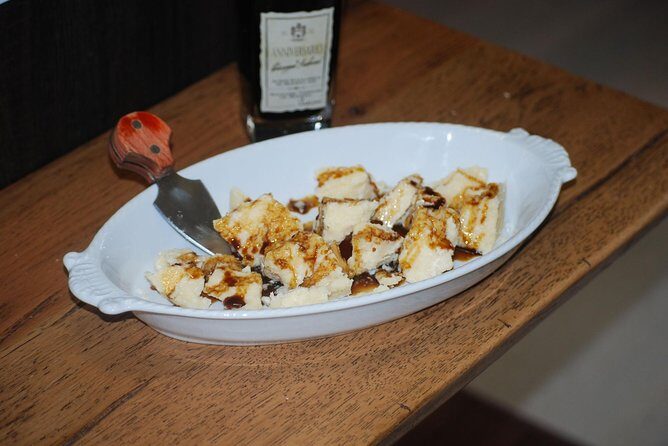
You don’t need fancy cooking clothes. But do come with a mindset that you’re learning, not performing.
A few practical tips that will make your session smoother:
- Wear shoes you’re okay with if you’re standing longer than expected
- Expect to get a little flour on your hands or clothes
- If you have dietary needs, tell the booking team at the time of booking
- If you want vegetarian pasta, opt in early since a vegetarian option is available
Because the class is in a home and involves food, also plan around allergies. The experience states that you should advise the host if anyone has allergies or dietary restrictions. That’s the responsible way to do this.
If you’re booking with service animals, service animals are allowed.
Vegetarian, Allergies, and Seasonal Menus: How Flexible Is It?
This experience offers a vegetarian option, but you’ll need to request it during booking. The menu can vary based on season, which means the exact mix of pasta and side dishes may shift.
For allergies and other dietary restrictions, the important thing is communication. The instructions clearly say to advise at booking. That gives your host time to plan in a home kitchen where substitutions aren’t always plug-and-play.
Also, because a couple of dishes may be prepared in advance, you should ask what that likely includes if you have strict dietary rules. The class notes that the menu may vary, so the most accurate answer comes from the host based on that day’s plan.
Who This Bologna Pasta Class Is Best For
This is ideal if you want a real Bologna experience—one that’s hands-on, personal, and not filtered through a tourist machine.
You’ll like it if:
- You enjoy cooking and want to learn techniques you can repeat
- You like regional food culture, not just famous sights
- You’re traveling as a couple, small group, or family and want privacy
- You want a meal that feels earned because you made it
You might not love it if you prefer very structured, classroom-style teaching with no variation. This is a home visit with a host who adjusts to season and the day’s menu.
Should You Book This Homemade Pasta Class in Bologna?
Book it if you want pasta skills with context—why the dough feels a certain way, how the shapes should look, and what the finished meal should taste like. The private format, the wine with dinner, and the fact that you learn rolling, cutting, and cooking all together make the price feel fair.
Skip it only if you don’t want to manage transit to Via di Corticella on your own, or if you need a rigid, identical menu with zero day-to-day change. If you can handle those basics, you’ll end up with a very Bologna kind of memory: flour on your hands, pasta on your plate, and a local host who actually enjoys sharing the work.
FAQ
Where is the meeting point for this pasta class?
The start point is Via di Corticella, Bologna BO, Italy.
How long does the experience last?
It’s about 4 hours (approx.).
Is this a private class?
Yes. It’s a private, personalized experience with only your group participating.
Who teaches the class?
The class is hosted by your local pasta maker/chef, Pio.
What types of pasta will we make?
You’ll learn about making Bolognese pasta such as tagliatelle, tortellini, and passatelli.
Is a vegetarian option available?
Yes. A vegetarian option is available, but you need to advise at time of booking.
Are beverages and wine included?
Beverages are included, and the meal is accompanied by local wines.
Is hotel pickup and drop-off included?
No. Hotel pickup and drop-off are not included.
What should I do if someone in my group has allergies or dietary restrictions?
Advise the operator at time of booking so the menu can be adjusted as needed.
Can I cancel for a full refund?
You can cancel up to 2 days in advance for a full refund. If you cancel less than 2 days before the experience’s start time, the amount paid is not refunded.