REVIEW · BOLOGNA
Best of Bologna in one day : Food, architecture, art and history
Book on Viator →Operated by Riccardo Bacchi · Bookable on Viator
Bologna, condensed into one loud day. This is a tight 7-hour route through Piazza Maggiore and the Archiginnasio, then back down to the Quadrilatero for real local food. I love how Riccardo Bacchi connects what you’re seeing—terracotta sculpture, baroque churches, Renaissance learning—into one clear story. I also love the mix of art stops and hands-on eating, capped with a pasta lesson at Bruno e Franco – La Salumeria.
One caution: it’s a fast, high-information day, so if you drift off, you may miss what makes the details click. Wear good shoes and treat it like a guided seminar on Bologna, not a slow stroll.
In This Review
- 5 Key Reasons This Tour Feels Like Bologna’s Best Class
- Piazza Maggiore: Terracotta drama, Neptune, and the city’s power center
- Piazza Santo Stefano: A medieval maze with Romanesque, Gothic, and spiral staircases
- Santa Maria della Vita: Baroque emotion plus Nicolò dell’Arca’s terracotta
- Archiginnasio di Bologna: The university palace and the wooden anatomy theatre
- Pinacoteca Nazionale: Painting giants from Giotto to Raphael and beyond
- The Quadrilatero: Mezzo di Bologna’s medieval market and Emilia-Romagna food
- San Giacomo Maggiore: Renaissance chapel power and musical frescoes
- Canale delle Moline: Hidden water, old buildings, and university-town clues
- San Domenico and Santo Stefano: Art treasure + the Holy Sepulcher echo
- Bruno e Franco pasta lesson: From tastings to making pasta alla bolognese
- Price and logistics: What $174.69 gets you (and what to watch)
- Should you book Best of Bologna in one day?
- FAQ
- How long is this tour?
- What does the tour cost?
- Is the tour available in English?
- Is it a private tour or a shared group?
- Where does the tour start?
- Are tickets included for the major sights?
- What’s included in the food part?
- Is there a cooking class?
- What’s the cancellation policy?
5 Key Reasons This Tour Feels Like Bologna’s Best Class
- Riccardo Bacchi makes the city’s art readable, tying sculpture, architecture, and religion together into one thread
- You hit both the top monuments and the “how it actually feels” streets, with stops that look like they’ve been there forever
- Admission is built into several major sights, including Palazzo Comunale, Archiginnasio, and Pinacoteca Nazionale
- Quadrilatero food time is not an afterthought, it’s a real tasting approach to Bologna’s flavors
- The pasta alla Bolognese cooking lesson turns the day’s theme—tradition—into something you can recreate at home
Piazza Maggiore: Terracotta drama, Neptune, and the city’s power center
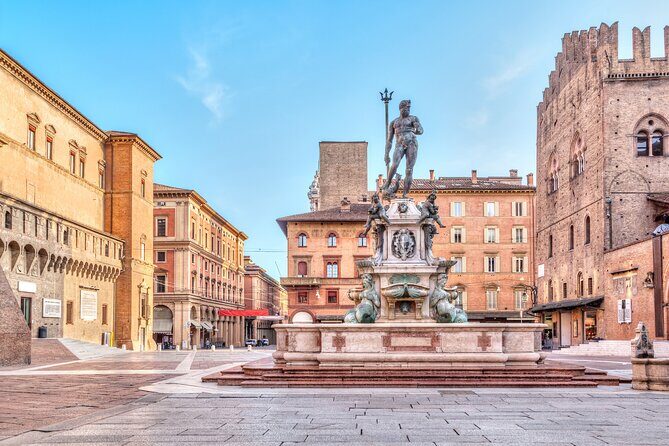
You start in the gravitational center of Bologna, Piazza Maggiore, and that matters. From here, you get the sense that Bologna grew by design: civic authority, church influence, and art all stacked in one square.
Riccardo’s walk through the square is built around major landmarks—Palazzo Comunale and the Bologna of Nicolo’ dell’Arca—but the best part is how quickly he helps you see what’s decorative versus what’s meaningful. You’re also introduced to the Fountain of Neptune, which is more than a nice photo stop; it’s part of the city’s identity carved into stone and myth.
Inside Palazzo Comunale, you get frescoed rooms and the grand staircase known for Bramane’s horses. The staircase is one of those details you could ignore if you were just browsing. But on this tour, it becomes a clue to how Bologna celebrated prestige—movement, drama, and theatrical effect—inside a civic building.
Why this stop is worth your time: you’re not only seeing a square. You’re getting Bologna’s “old operating system”—how the city projected power through architecture and art.
Possible snag: Palazzo Comunale interior time comes with ticketed access, but you’ll want to stay focused once you’re inside, because the explanations don’t slow down.
Other food & drink experiences in Bologna
Piazza Santo Stefano: A medieval maze with Romanesque, Gothic, and spiral staircases
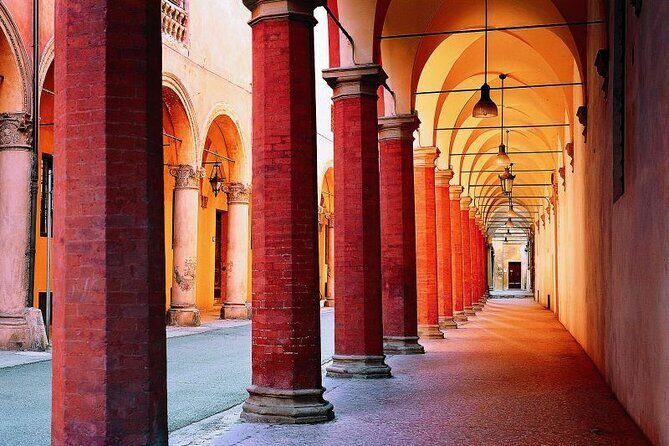
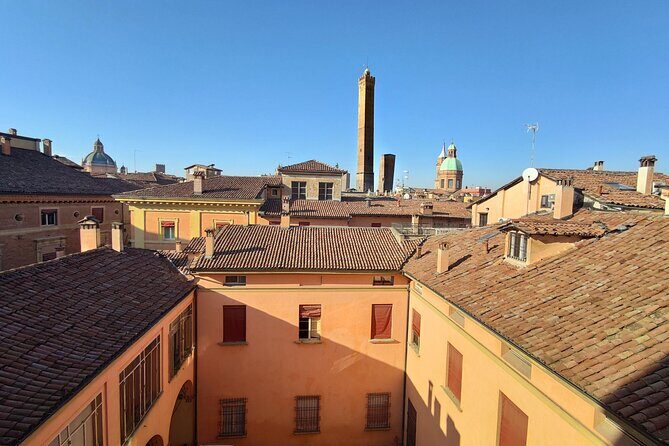
Next comes Piazza Santo Stefano, which feels like Bologna stacked on itself. This stop is famous for being a complex—an early-medieval site with Romanesque interiors, medieval porticoes, Gothic elements, and the kind of staircases that make you stop and look twice.
You also get terrace views over the towers, which is a nice payoff after the dense building details. It’s one of the few moments where the tour lets your eyes reset, then re-orients you to Bologna’s skyline.
What I like here is the variety in one location: Romanesque basics, later Gothic refinements, and the way the area connects churches and courtyards. It’s not one building you can summarize. It’s a cluster that rewards slow watching, even during a guided sprint.
Drawback to consider: this is a “move through, notice details, keep up” stop. If you like to stand back and absorb silently, you may feel the group pace.
Santa Maria della Vita: Baroque emotion plus Nicolò dell’Arca’s terracotta
Chiesa di Santa Maria della Vita is where the tour leans hard into art that hits your nerves. It’s a baroque church, and the headline work is the Lamentation of Nicolò dell’Arca, a Renaissance terracotta masterpiece.
This is the kind of artwork where scale can trick you. From far away, it looks like a sculpture. Up close, it reads like storytelling—faces, gestures, and the emotional charge that terracotta can carry without paint turning it into something flat.
Why it works on this tour: it’s not a random church. It’s a deliberate bridge between earlier medieval-civic vibes and the Renaissance focus you get later at the university and museum.
Practical tip: take a minute at the start to figure out what direction the main focal point sits in, then listen. The art lands faster when you know what you’re looking at.
Archiginnasio di Bologna: The university palace and the wooden anatomy theatre
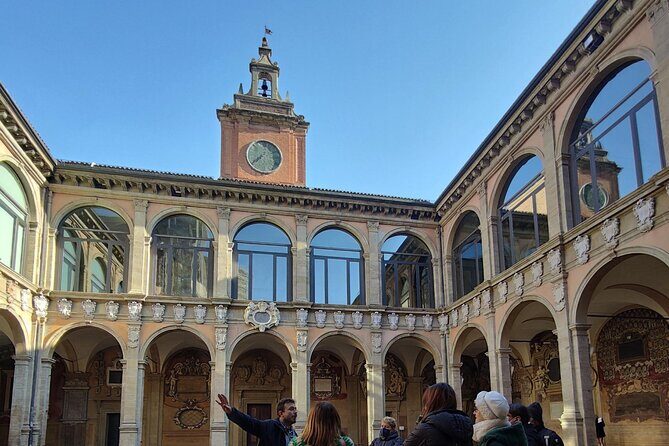
After churches and courtyards, the day shifts into Bologna’s learning machine at Archiginnasio di Bologna. This is the University of Bologna’s Renaissance and baroque palace world, and it’s a standout for anyone who likes history that feels physical.
Inside, you see frescoes and the historical library, plus the famous wooden anatomical theatre. That anatomy element is a big deal because it helps you understand Bologna’s intellectual reputation as something concrete—not just a slogan about being old.
If you’re the type who likes to connect science and culture, you’ll probably enjoy how the tour treats the anatomy theatre as part of a larger story about belief, study, and public life.
Possible drawback: this stop is short (about 20 minutes), but the explanations can be dense. If you go in with zero curiosity about universities or early medicine, you might feel it’s heavy. If you’re the inquisitive type, it can be a highlight.
Pinacoteca Nazionale: Painting giants from Giotto to Raphael and beyond
Then you’re in Pinacoteca Nazionale di Bologna, one of the key painting museums in Italy for this theme of “Bologna at full volume.” You move through works spanning major names: Giotto to Raphael, Titian to Guido Reni, Ercole de Roberti to Carracci and Guercino, plus artists like Vitale da Bologna and Parmigianino.
The museum stop is ticketed and about 40 minutes. That means you can’t expect a full museum marathon. Instead, the value is in getting a guided path through the highlights and—more importantly—getting context for what makes each artist fit into the Bologna story.
Why this is good value: if you’ve got only one day, a guided “art map” saves time. You’re not wandering, hoping you’ll notice the important stuff.
Consideration: 40 minutes is not enough for everyone to see every room in a relaxed way. Come with a clear attitude: you’re here for the guided greatest hits.
A few more Bologna tours and experiences worth a look

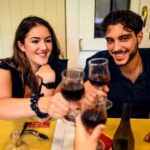
The Quadrilatero: Mezzo di Bologna’s medieval market and Emilia-Romagna food
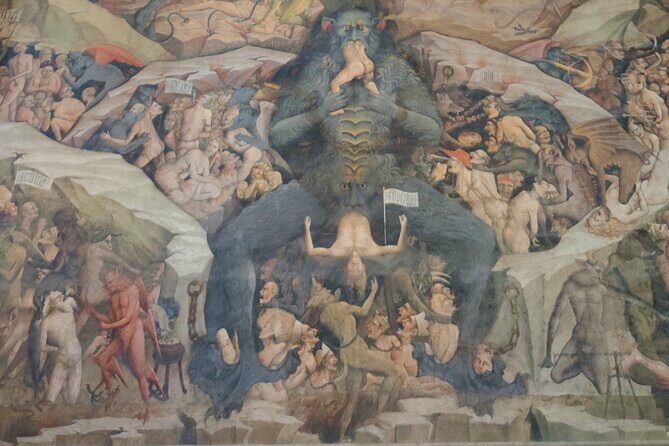
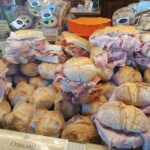
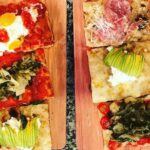
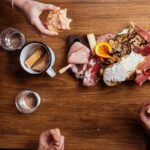
Now you get the heart of Bologna’s everyday life at Quadrilatero, including Mezzo di Bologna, the historic market zone where you’ll find stalls, taverns, and traditional shops. This isn’t “snack tourism.” It’s set up as food history—Bologna’s flavors as culture.
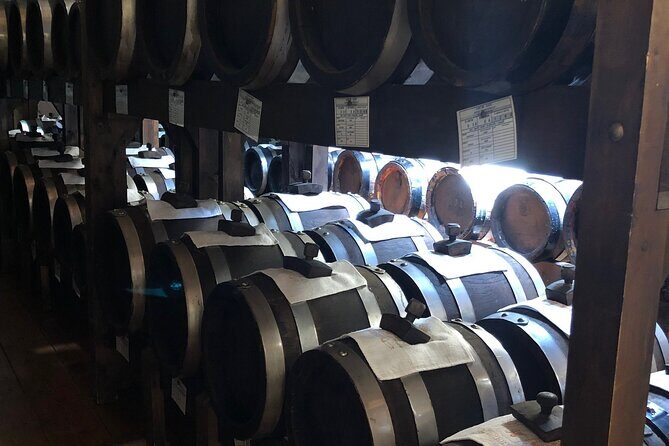
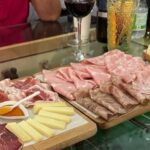
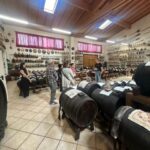
The tastings at Bruno e Franco – La Salumeria start bringing the region into focus: figs and Parma ham, culatello, salami, mortadella, pasta and meatballs with peas (Bologna style), tagliatelle with ragout, and Parmigiano Reggiano aged 3/4 years. You also get traditional green lasagne bolognesi and traditionalò Modena balsamic vinegar aged up to 24 years.
Notice the structure of that menu: sweet fruit, cured meats, dairy depth, then pasta and vinegar. It’s a sequence that helps you understand why Bologna is famous for comfort that’s also technically precise.
Why I like this approach: you’re not only eating. You’re tasting ingredients that you’ll later recognize in restaurants across the city.
Possible drawback: with a 7-hour day and a packed route, appetite timing matters. If you’ve planned a big breakfast, you may need to pace yourself during tastings.
San Giacomo Maggiore: Renaissance chapel power and musical frescoes
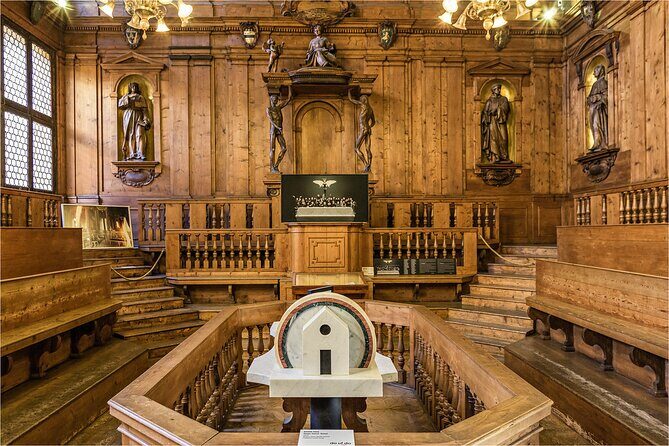
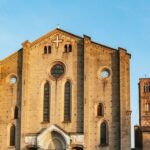
At Chiesa di San Giacomo Maggiore, you’re back into art-as-religion. The headline is the Bentivoglio Chapel, described as a masterpiece of the Emilian Renaissance. This is the kind of chapel that rewards listening, because the details are part of the message.
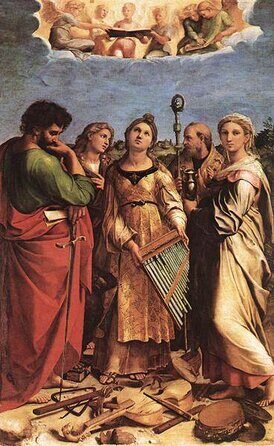
You also have the Oratory of Santa Cecilia with frescoes and musical venues. That music link makes the church feel more alive than a silent museum stop.
Why this matters on a one-day itinerary: after the university anatomy theme, you’re reminded that Renaissance taste shaped spiritual space too. Bologna didn’t treat art as separate from daily life; it layered it into sacred settings.
Consideration: this stop is about 40 minutes and free-entry on the tour, so your time is less “locked” to ticket constraints. Still, keep pace—there’s a lot to see inside.
Canale delle Moline: Hidden water, old buildings, and university-town clues
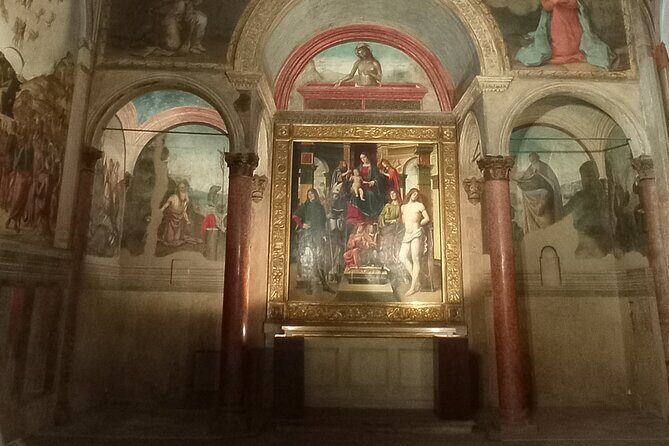
Canale delle Moline is a breather stop that still feeds the theme. You’re looking at towers, arcades, medieval houses, palaces, and those “wait, what is that?” architecture details like noble staircases and frescoed halls.
The canal itself adds atmosphere, but the real value here is how it connects to the idea of Bologna as an old university city. Even when you’re not inside museums, you’re still seeing the physical imprint of educated life—what people built around them, and how they moved through the city.
Why you’ll appreciate it: it’s not just another church. It’s a street-level history lesson.
Practical note: the stop is very short (about 5 minutes), so treat it like a guided look-and-then-go moment.
San Domenico and Santo Stefano: Art treasure + the Holy Sepulcher echo
Two big religious sites come near the end, and they complement each other.
At Basilica di San Domenico, you get a “treasure trove” feel: the Ark of Nicola Pisano, works attributed to Nicolò and Michelangelo, the alchemical wooden choir, and even mention of Mozart’s favorite organ. Add the Renaissance cloister and the church turns into a timeline of style and ideas.
Then comes Basilica – Santuario di Santo Stefano, a medieval/early-medieval complex built in the likeness of the Holy Sepulcher of Jerusalem. That concept changes how you view the buildings. You’re not only seeing local history; you’re seeing how Bologna imagined itself connected to the wider sacred world.
Why this is powerful: the tour ends with spirituality and artistry tied together—Bologna’s local pride linked to international religious symbolism.
Consideration: these stops are around 40 minutes each. It’s enough for a strong guided overview, but not enough for full independent exploration if you want to linger.
Bruno e Franco pasta lesson: From tastings to making pasta alla bolognese
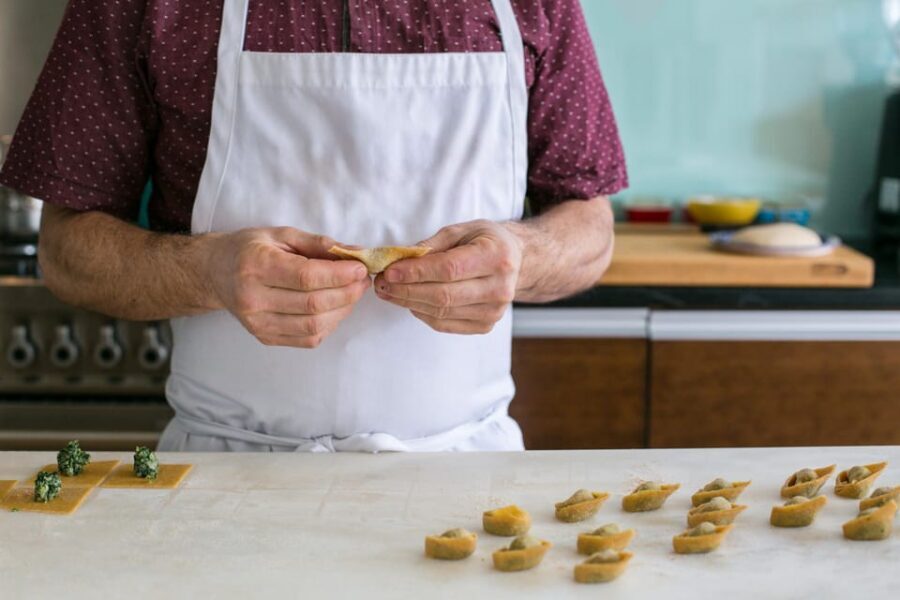
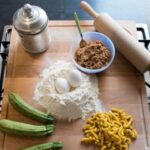
You close with a second act at Bruno e Franco – La Salumeria: a short cooking class for pasta alla bolognese. The lesson includes pasta made with egg for tagliatelle, tortellini, lasagna, balanzoni, tortelloni, and passatelli.
This is where the day’s pacing pays off. Before this, you tasted meats, cheese, vinegar, and ragù-style flavors. Now you put structure around it by learning how the pasta base fits the Bologna approach to comfort food.
Why this is good for value: a lot of food tours feed you. This one also teaches you a key technique, even though it’s only 30 minutes.
Practical advice: don’t assume you’ll only eat. Plan to participate. And if you’re squeamish about hands-on work, just know it’s a cooking class format, not a watching-only demo.
Price and logistics: What $174.69 gets you (and what to watch)
For $174.69 per person, you’re paying for a full-day guided circuit (about 7 hours), English commentary, multiple ticketed cultural stops, and structured food time with both tasting and a pasta lesson.
Here’s the real value equation for this tour:
- You save time by having a guided path through several top sights in one day.
- You reduce “what should I do next?” stress. The itinerary does the sequencing.
- You get both culture and calories, with tastings that match Bologna’s food identity, plus a cooking class you can use at home.
What to watch: the day is information-heavy and you’ll be moving. If you prefer slow travel, this may feel like too much. If you want a one-day crash course in art, religion, and food, it’s built for you.
Should you book Best of Bologna in one day?
I’d book this if you:
- want a high-impact one-day overview with real depth in what you’re seeing
- like art history that connects buildings to meaning, not just facts
- care about Bologna’s food enough to learn how it works, not only taste it once
- enjoy a guide who asks you to pay attention and makes the details feel worth it
Skip it if you want a relaxed stroll, silent museum time, or a day where you can wander independently. The pacing is purposeful, and it’s better when you’re actively listening.
If you do book, the best prep is simple: bring comfortable shoes, and treat the tour like a guided lecture with meals and art breaks.
FAQ
How long is this tour?
It lasts about 7 hours.
What does the tour cost?
The price is $174.69 per person.
Is the tour available in English?
Yes, it’s offered in English.
Is it a private tour or a shared group?
It’s private, meaning only your group participates.
Where does the tour start?
The meeting point is Bar Vittorio Emanuele, Piazza Maggiore 1, Bologna.
Are tickets included for the major sights?
Some stops include admission tickets (including Piazza Maggiore, Archiginnasio, and Pinacoteca Nazionale), while others are listed as free entry on the tour.
What’s included in the food part?
You’ll have tastings at Bruno e Franco – La Salumeria, including items like Parmigiano Reggiano (aged 3/4 years), mortadella, culatello, prosciutto-style meats, pasta and lasagne, and traditional Modena balsamic vinegar (up to 24 years).
Is there a cooking class?
Yes. You get a short cooking class for pasta alla bolognese.
What’s the cancellation policy?
You can cancel for a full refund up to 24 hours before the experience start time.