REVIEW · BOLOGNA
Bologna: Tortellini Masterclass at a Local’s Home
Book on GetYourGuide →Operated by Cesarine · Bookable on GetYourGuide
Tiny pasta teaches big patience. This tortellini masterclass takes you into a real local’s kitchen in Bologna, where you learn the technique behind the city’s most famous stuffed pasta. I like that it’s hands-on from start to finish, and I also like that you don’t just cook—you taste everything you make with drinks at the table.
You’ll begin with an Italian aperitivo (Prosecco and nibbles), then move into dough rolling, filling, and shaping until your tortellini are ready to eat. The one consideration: for privacy, you only get the full address after you book, so you’ll want to line up transport and timing ahead of arrival.
In This Review
- Bologna Tortellini Masterclass at a Local’s Home: The big idea
- What’s so special about tortellini in Bologna?
- Key moments you’ll remember
- Aperitivo first: Prosecco and nibbles before the dough
- Entering a local home in Bologna: what to expect
- The tortellini-making lesson: dough, filling, shaping
- How the folding step turns “recipe” into skill
- Tasting the work: lunch/dinner with your tortellini
- Cesarine: why the home-cook network matters
- Price and value: is $152.93 per person worth it?
- Who this class is best for
- Practical tips to get the most from your 3.5 hours
- The privacy-and-address reality check
- Should you book this Bologna tortellini masterclass?
- FAQ
- How long is the Bologna tortellini masterclass?
- Do I make tortellini from scratch?
- Is there food and drink included during the experience?
- Where do I meet the host?
- What languages is the class taught in?
- Is it suitable for wheelchair users?
Bologna Tortellini Masterclass at a Local’s Home: The big idea
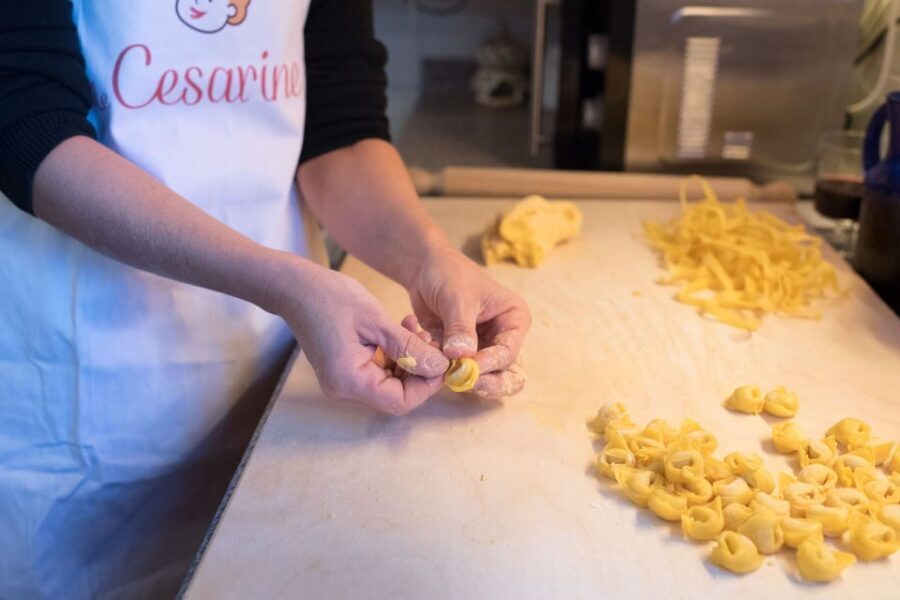
Bologna has a reputation for two things: food that takes craft seriously, and locals who actually share that craft. This class is built around that exact idea. You’ll spend about 3.5 hours learning how to make tortellini from scratch—dough, filling, shaping, and finally a meal that’s centered on what you produced.
This is not a sit-and-watch cooking demo. The format is a shared class in a home setting, led by an English/Italian instructor. That matters because tortellini-making is fussy. It’s the kind of task where small corrections—how thin the dough is, how you seal the filling, how you fold—make a visible difference.
What’s so special about tortellini in Bologna?
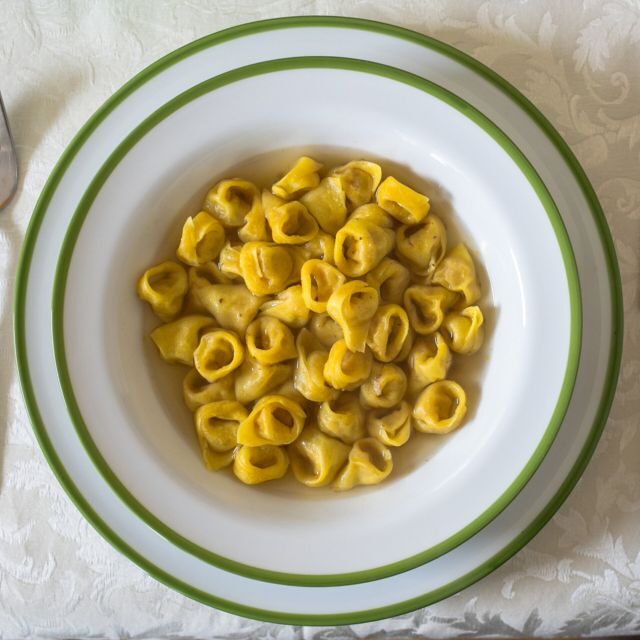
Tortellini aren’t just “stuffed pasta.” In Bologna (and the surrounding Emilia-Romagna region), tortellini are a culinary icon. Their reputation comes from process and precision: the dough should be rolled thin, the filling should be balanced, and the shape should be consistent enough to cook evenly.
The heart of the class is learning that process in a practical, repeatable way. You’re guided through preparing traditional tortellini—the kind that you can’t really recreate well from shortcuts. The better you understand the folding and sealing steps, the more your results at home stop feeling random.
Other tortellini experiences in Bologna
Key moments you’ll remember
- Aperitivo with Prosecco and nibbles to set the mood before you touch the dough
- Hands-on tortellini from scratch, not just assembling or tasting
- A real local’s home kitchen, so you see how people cook day to day
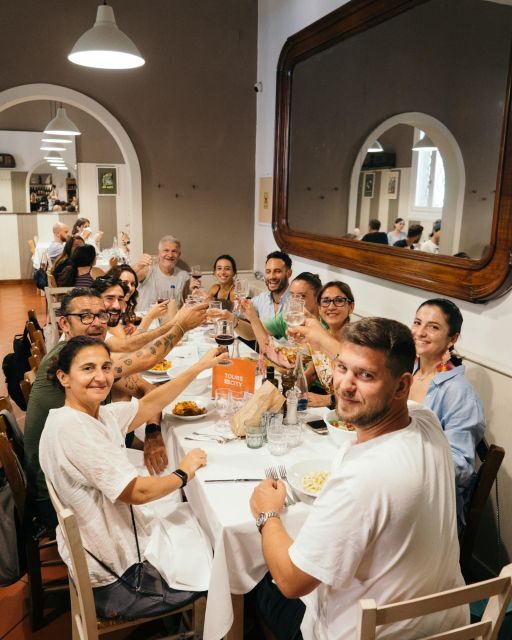
- Wine and coffee with your meal, built around what you made
- Instructor patience and technique, including guidance like that praised from Oriana Altamura
Aperitivo first: Prosecco and nibbles before the dough
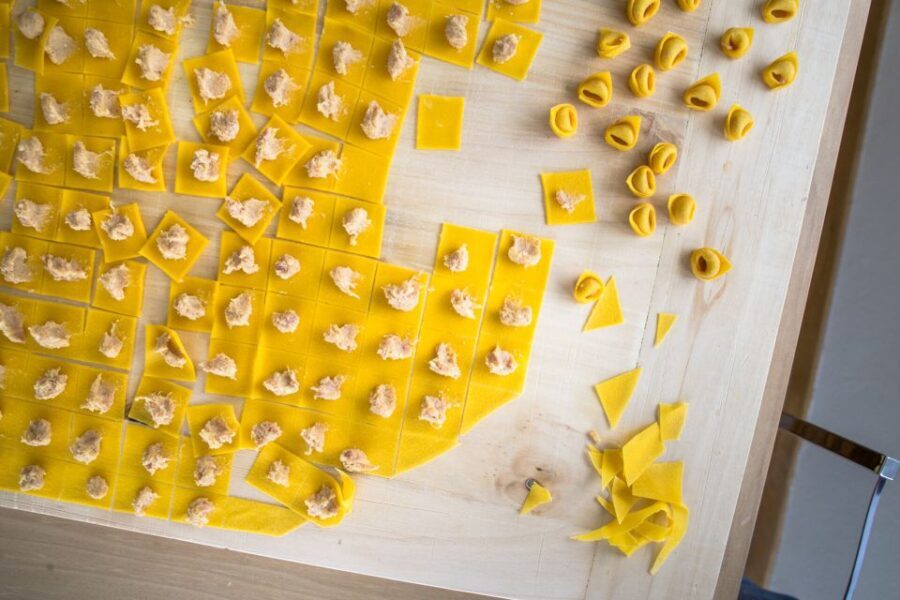
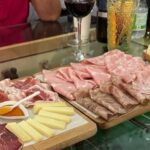
Most people think a cooking class should start with the recipe. Here, you start with the rhythm of Italian eating: an aperitivo. You’ll get Prosecco and nibbles to start, plus water, wines, and coffee later with the meal.
Why this matters for your experience: you’re not rushed into “serious cooking mode.” Aperitivo time helps everyone settle in, and it also gives you a natural break to ask questions before the technique gets hands-on. If you’re the type who learns by watching once and then doing, this warm-up is a good setup.
Entering a local home in Bologna: what to expect
This class happens in a local’s home, not a commercial studio. That brings you closer to the details that never show up in restaurant copies—how space is arranged, how tools are handled, and how the cook corrects small mistakes in real time.
For privacy, you won’t receive the full address until after you book. So don’t wait until the last minute to plan how you’ll get there. Bologna can be easy to get around, but timing matters when your start time is set and you’re going to someone’s home.
The tortellini-making lesson: dough, filling, shaping
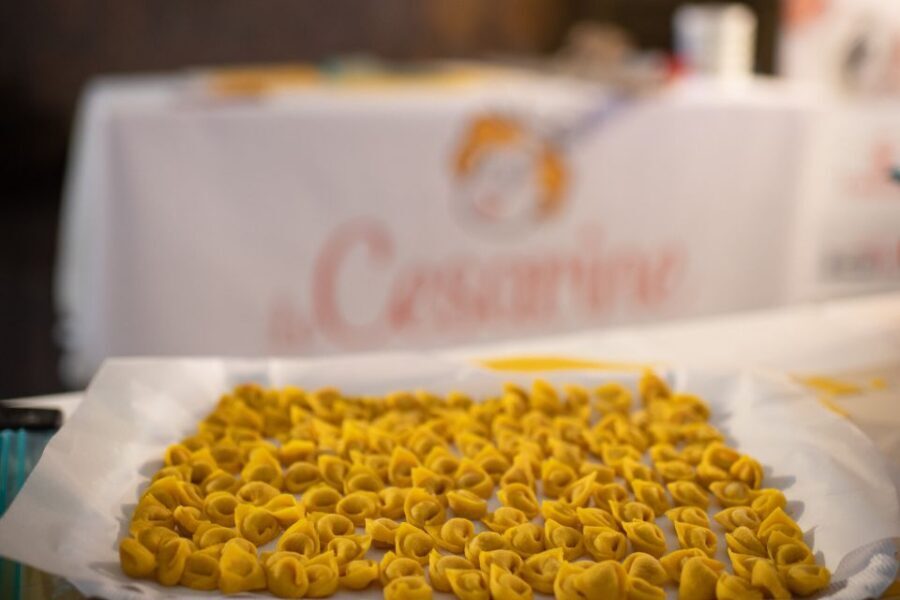
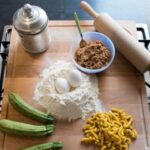
This is the core of the 3.5-hour experience, and it’s where you get real value. The class teaches you to prepare traditional tortellini from scratch, which means you’re not relying on store-bought dough. You’ll roll out the dough, then shape the tortellino carefully with your host.
Here’s what you can focus on while you cook:
- Dough thickness: thin enough to feel delicate, thick enough to hold the filling without tearing.
- Filling placement: too much makes sealing harder; too little changes the bite.
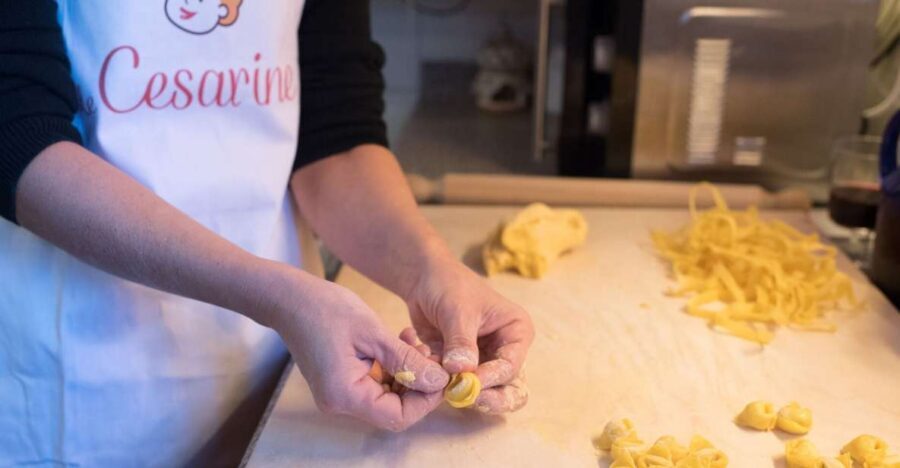
- Folding and sealing: tortellini are about consistency. You’re learning how to fold in a way that stays closed through cooking.
One of the standout elements in the feedback is how much patience the instructor brings to the dough. In at least one guided experience, learning from Oriana Altamura came with clear instruction and a slow, careful approach to getting the dough right. That’s exactly what you want in a class like this. Tortellini don’t forgive chaos.





How the folding step turns “recipe” into skill
A lot of cooking classes teach ingredients. Tortellini-making teaches technique. The folding step is where the class earns its name. You’re learning how to create a tortellino shape that’s not just decorative—it’s part of how the pasta cooks.
When you nail the fold, you end up with stuffed pasta that:
- cooks evenly,
- holds together better,
- and tastes like something you made with intention, not assembly.
Even if you think your kitchen skills are basic, you can still get there. The host is there to guide your hands and correct what you can’t “guess” from a written recipe.
Tasting the work: lunch/dinner with your tortellini
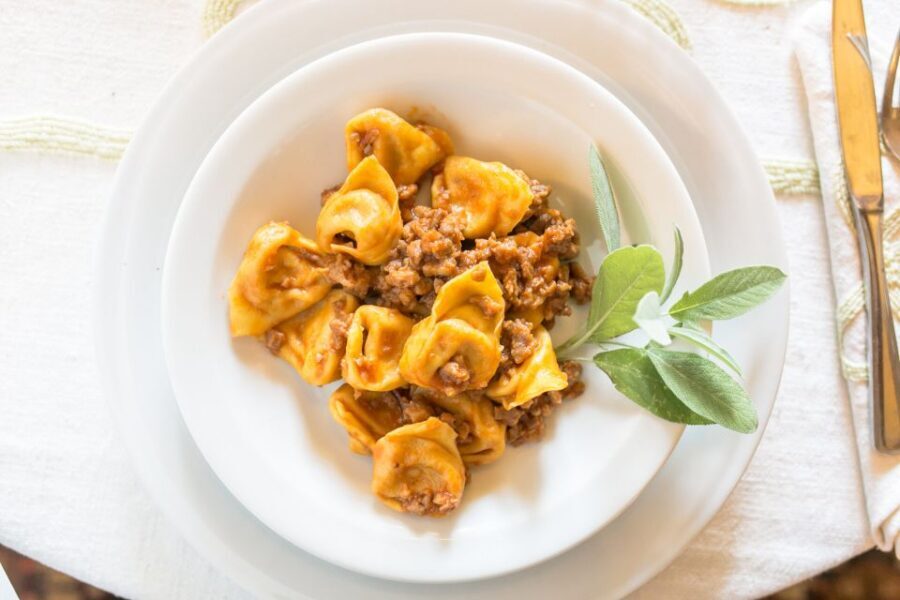
After the lesson, you eat what you made. The included meal is a lunch or dinner (the class ends back at the meeting point), and it’s centered on the tortellini you prepared.
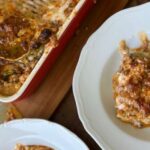
This is one of the best parts of the experience because it closes the loop. You see how your dough held up, how your sealing affected the texture, and how the filling tasted when everything came together. If your goal is to learn so you can cook again later, tasting your own results right after training makes the lessons stick.
You’ll also have beverages: water, wines, and coffee. That pairing isn’t just “nice”—it helps make the whole thing feel like a meal at a table, not a workshop.
Cesarine: why the home-cook network matters
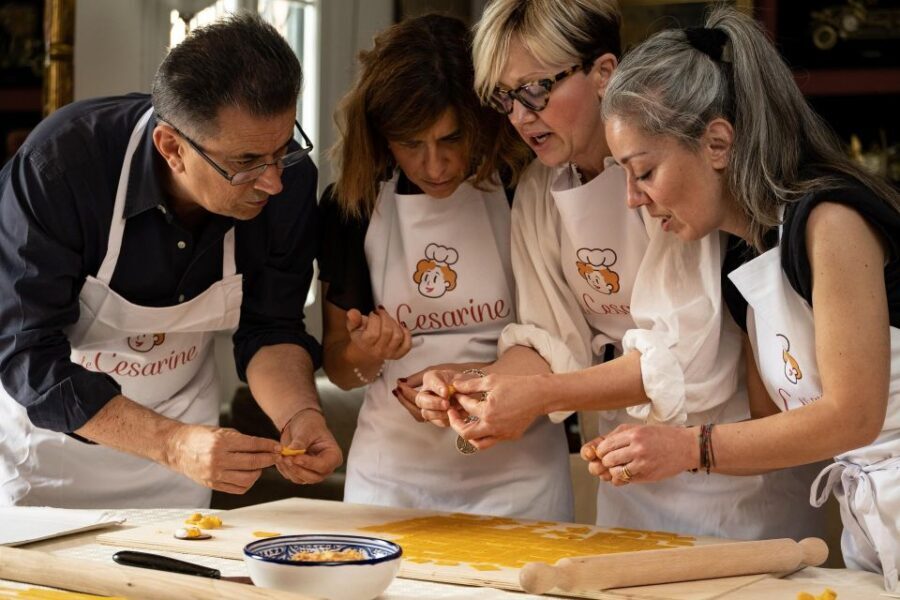
This experience is offered through Cesarine, Italy’s home-cook network with more than 1000 hosts across 120 cities. That scale matters because it signals an established approach to running home culinary experiences, not random one-off dinners.
In practice, it also means you’re more likely to get a host who can teach. Tortellini require both skill and the ability to explain small details, like how to handle dough that’s a bit sticky or too dry.
Price and value: is $152.93 per person worth it?
At $152.93 per person, you’re paying for a lot more than “a meal plus a recipe card.” This price is for:
- a hands-on class in a local home,
- instruction in making traditional tortellini from scratch,
- aperitivo with Prosecco and nibbles,
- your lunch/dinner made from your own work,
- and drinks including wines and coffee.
Whether it feels like good value depends on what you want. If you simply want to eat tortellini, you can do that easily in Bologna for less. But if you want to bring home a real skill—how to roll and fold so your tortellini actually work—this is the sort of structured, guided practice that usually costs more when it happens in a professional setting.
For me, the best value angle is the “you cook, then you eat immediately” structure. You’re not paying for time in a room. You’re paying for technique practice, plus the payoff of tasting results in the same sitting.
Who this class is best for
This is ideal if you:
- want a hands-on food experience (not just tasting),
- like regional Italian cooking and want Bologna’s signature pasta,
- enjoy conversation and sharing time at a table,
- and want a guided path to learning something you’d otherwise struggle with.
It’s especially good for people who enjoy learning by doing and who like small-group pacing. Because it’s at a home, you also get a warmer feel than most food tours.
It’s not a fit for wheelchair users. The setting is a home environment, and you should treat that as a meaningful factor in your planning.
Practical tips to get the most from your 3.5 hours
Here are a few things that will help your class go smoothly and feel worthwhile:
- Send your details early. The organizers ask for food intolerance and allergy info, plus your neighborhood and travel plan to match you with the best host. If you have dietary constraints, don’t leave this to the day of the class.
- Arrive on time. This is a home-based experience, and you start with aperitivo before the technique steps. Late arrivals throw off the group flow.
- Expect some hands-on work. Dough can be temperamental. It’s normal if your first few folds aren’t perfect. The point is learning the process.
- Take notes after tasting. When you eat your tortellini, you’ll notice texture and flavor differences. Jot down what you liked so you can recreate it later.
The privacy-and-address reality check
Because the full address is shared only after booking, you should plan your arrival like you’re going to a friend’s house. That means figuring out:
- how you’ll get there from where you’re staying,
- when you’ll leave your hotel,
- and who you can contact if something changes.
You’ll receive the host details (including telephone and full address) once your information has been matched. This keeps the experience private, but it also means you shouldn’t treat the address as something you’ll easily look up last minute.
Should you book this Bologna tortellini masterclass?
I’d book it if your idea of a great Bologna day includes learning a real craft, not just collecting photos. The hands-on tortellini from scratch, the aperitivo start, and the meal that follows make it feel like a complete experience rather than a short taste session.
Skip it if you mainly want restaurant-style eating with zero cooking involved, or if you’re looking for something fully accessible for wheelchair users. Otherwise, for the right traveler, this is a smart way to leave Bologna with a skill you can actually use at home.
FAQ
How long is the Bologna tortellini masterclass?
It lasts about 3.5 hours. Exact starting times vary, so you should check availability for the specific slot you want.
Do I make tortellini from scratch?
Yes. You’ll learn to prepare traditional tortellini from scratch, including dough work and shaping the tortellino with your host.
Is there food and drink included during the experience?
Yes. You’ll have an Italian aperitivo with Prosecco and nibbles, and beverages including water, wines, and coffee. You’ll also have lunch or dinner made from the tortellini you prepared.
Where do I meet the host?
You’ll meet at the host’s home. For privacy, you only receive the full address after booking.
What languages is the class taught in?
The instructor speaks English and Italian.
Is it suitable for wheelchair users?
No. The experience is not suitable for wheelchair users.