REVIEW · BOLOGNA
Authentic Bologna Home Cooking Class: Tagliatelle & Tortellini
Book on Viator →Operated by Curioseety SRLS · Bookable on Viator
Your hands will smell like fresh pasta. In Bologna, this home cooking class teaches you homemade pasta dough and gives you tortellini and tagliatelle shaping step by step. The main catch is the apartment kitchen is cozy, so expect close teamwork.
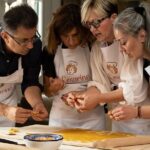
I love that it’s led by a real home cook—often Irene, with help from family like Marco—and you finish by eating what you made with local wine, beverages, and dessert. With a maximum of 10 people, it stays friendly and hands-on, not rushed or staged.
In This Review
- Key highlights worth caring about
- A home kitchen in Bologna beats another pasta dinner
- The pasta lesson: dough, rolling, and that right texture
- Tagliatelle and other shapes: learning by doing
- Tortellini shaping: the delicate part
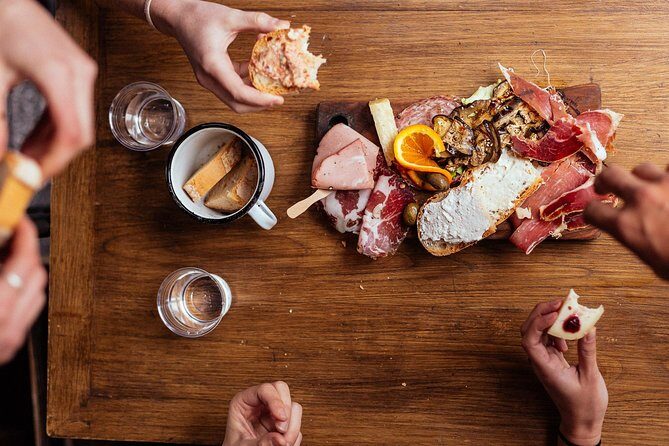
- The meal: three courses, local wine, and dessert
- Where it happens in Bologna: the meeting point and real-world access
- Value at $78.44: what you really get for your money
- Who this pasta class is perfect for
- When you should think twice (or ask questions first)
- Bring this class home: practice with the recipes
- Should you book this Bologna home cooking class?
Key highlights worth caring about
- Real pasta dough skills, not just a demonstration
- Tortellini and tagliatelle shaping you’ll practice with your hands
- Three-course meal in a home setting, plus local wine
- Small group size (up to 10) for better attention and less crowding
- Recipes to take home, so you can repeat the dishes later
- Chef-led guidance in English in a private apartment
A home kitchen in Bologna beats another pasta dinner
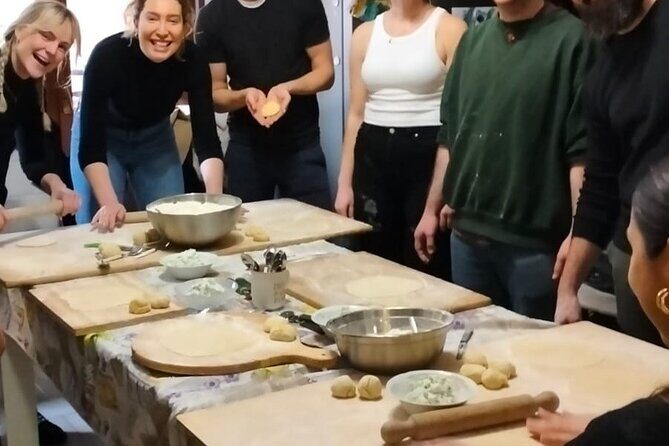
Yes, you can always eat pasta in Bologna. But cooking it in someone’s home changes the whole feel. You’re working at a real table, with flour on your fingers, and a chef who can correct your technique right away.
This class is built around two skill sets that matter in Italian cooking: making fresh dough, and then turning that dough into shapes that actually hold sauce. That’s why it’s tagliatelle and tortellini at the center of the experience. Both are iconic in Emilia-Romagna, and both show off pasta texture—how the dough stretches, how it keeps its bite, and how fillings stay put.
One more reason I think it’s special: the meal isn’t an afterthought. You don’t just taste your work. You sit down and eat three courses, paired with local wine and beverages, then wrap up with dessert. In other words, it’s practice and payoff in the same sitting.
Other pasta making classes in Bologna
The pasta lesson: dough, rolling, and that right texture
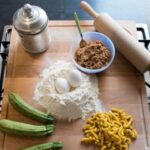
Most pasta classes stop at shaping. This one starts earlier, with dough from scratch. You’ll learn how to combine ingredients into a workable pasta dough, then roll it out until it has the texture you want—elastic enough to shape, but not so thin that it tears or goes rubbery.
The chef’s instructions are the key here. One of the most common compliments in this type of class is patience—especially when you’re using hands in flour for the first time. The better instruction doesn’t just tell you what to do. It explains why your dough behaves a certain way, so you can adjust on the spot instead of guessing.
You’ll also learn how rolling changes everything: thickness affects how pasta cooks, and it affects how it holds onto sauce. Tagliatelle, in particular, benefits from the right thickness so you get those tender strands that still feel sturdy when you fork them.
Practical tip for you: wear sleeves you don’t mind getting dusted with flour, and be ready for a hands-on pace. This is a kitchen class, not a museum tour.
Tagliatelle and other shapes: learning by doing
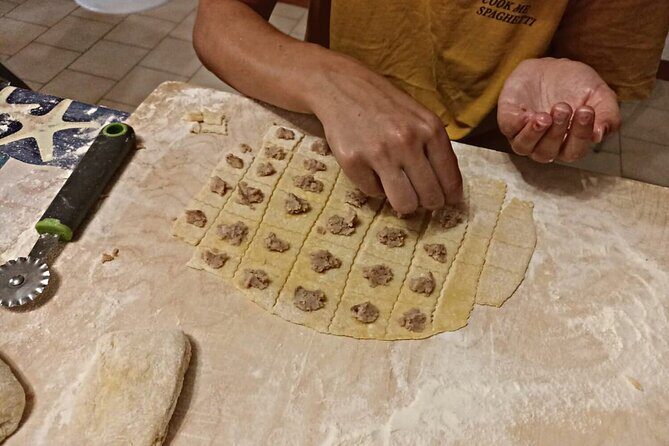
Tagliatelle sounds simple—strips of pasta. But making it well isn’t just cutting. You’re training your eye and your timing: how to handle rolled sheets, how to cut into consistent ribbons, and how to keep the strands from sticking while you work.
If your course includes additional traditional varieties beyond tagliatelle and tortellini (like tortelloni and other classic shapes), that’s a nice bonus because you’ll see how the same dough can become different textures and different eating experiences. One helpful thing about practicing multiple shapes is that it makes your final pasta night at home easier. You’ll understand the dough process once, then you can branch out later.
In Bologna, fresh pasta is part of everyday pride. So even if you’ve never made dough before, this class is built so you leave with real confidence. And confidence matters because fresh pasta at home is a skill, not a miracle.
Tortellini shaping: the delicate part
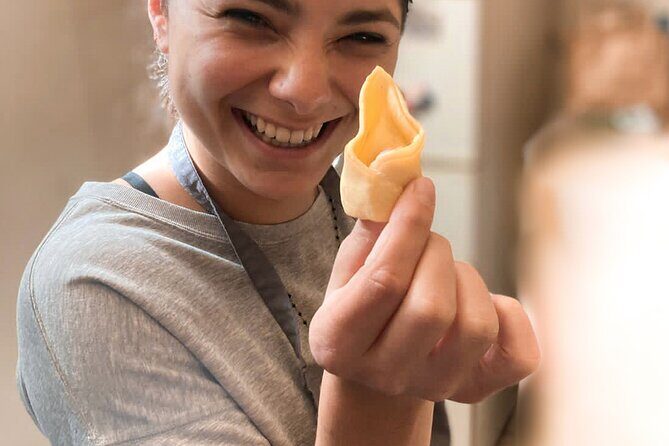
If tagliatelle is the skill you can feel with your hands, tortellini is the skill you can see in the result. Tortellini asks for precision in shaping and filling—small decisions that affect whether the pasta seals properly and whether the filling stays where it belongs.
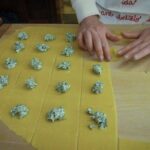
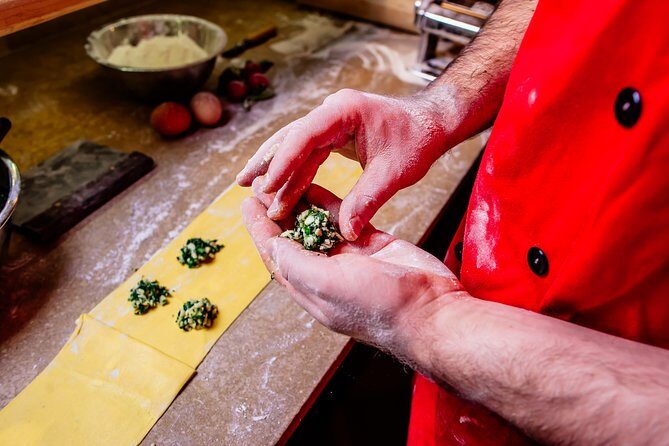
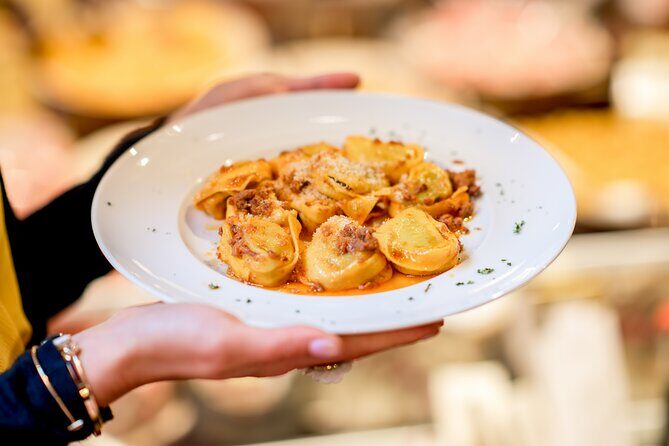
You’ll be guided through the steps for making tortellini—forming the dough, adding filling, and shaping it into the classic form. The best part is that you do it. Not once, not in theory. You’ll work through the process with instructions as you go.
What helps most during tortellini is learning pacing. Overfilling can lead to messy sealing. Underfilling can make the pasta seem less dramatic. And if you rush, the dough may dry out before you finish. A good chef teaches you how to manage the dough while you’re working.
Also, this is the part where the small group size becomes more than a marketing detail. With a maximum of 10, the chef can notice your technique quickly and offer corrections before you lock in a mistake.
The meal: three courses, local wine, and dessert
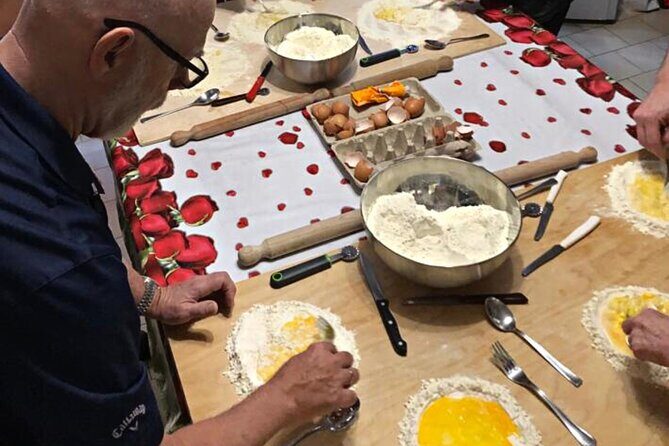
Here’s what makes this class feel like more than cooking. You eat a full meal afterward—three courses, lunch or dinner depending on your session.
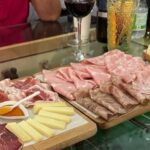
You’ll get local wine and beverages with your meal. Some Bologna cooking experiences also get paired with Italian-style extras like balsamic vinegars and olive oil, and you might even see touches like truffle mentioned in what gets served. You won’t be left with plain pasta and a sad salad. You’ll be tasting the flavors the class is built around.
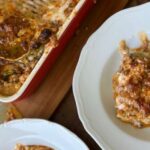
Dessert rounds things out. The point isn’t fancy presentation; it’s closure. You spend time making something difficult, you eat it while it’s still satisfying and freshly cooked, and then you finish with a sweet note that brings the evening down gently.
If you care about food quality, this is where the value shows. You’re paying for labor, instruction, and ingredients, but you’re also paying for a meal you’d normally order at a good restaurant.
Other tagliatelle and ragu experiences in Bologna

Where it happens in Bologna: the meeting point and real-world access
The class meets at Viale Abramo Lincoln, 60, 40139 Bologna and ends back at the meeting point. Transportation isn’t included, though the location is near public transit.
For you, the biggest practical issue is not distance—it’s instructions. In a home setting, the exact entrance details matter. I’d recommend you map the address before you go, and plan for a short walk once you reach the right stop area.
Also, plan timing with respect. The experience requires you to come at the indicated time, and a delay of 15 minutes can be accepted. Arriving later can mean you’re marked as a no-show. That’s one of those rules that sounds strict until you imagine a small apartment kitchen trying to reshuffle for late arrivals.
And yes, it’s in a private home. That means you should expect a real-family setup: a compact kitchen, home-style storage, and a bathroom you may use for hand washing during the class. If you’re someone who needs hotel-level space and facilities, this is worth thinking through before you book.
Value at $78.44: what you really get for your money
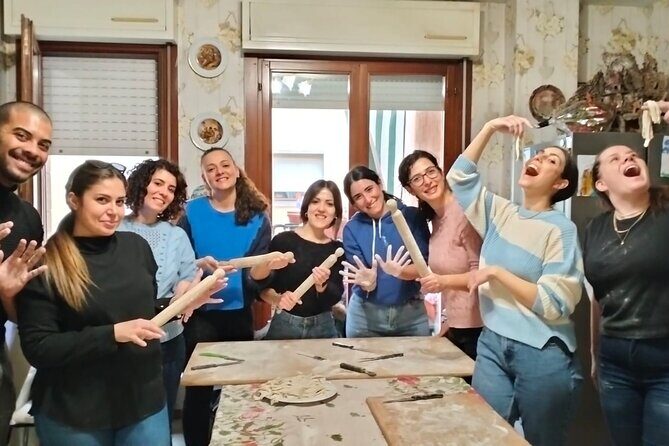
At $78.44 per person for about 2 hours, the price looks like a deal only if you understand what’s included. This isn’t a demo. It’s a hands-on class with a chef, plus three courses of lunch or dinner, local wine and beverages, and recipes you can take home.
If you tried to recreate this at home yourself, you’d pay for ingredients and tooling, and you’d still miss the teaching. Fresh pasta also takes time. A couple of hours doesn’t just buy your food—it buys your training, your corrections, and the chance to learn a process you can repeat later.
Small-group size matters too. Maximum 10 people means the instruction doesn’t get lost in a crowd. In this setting, your fee isn’t just for access; it’s for attention.
One more value point: recipes. A written guide is what turns your class into an ongoing skill. Without recipes, many pasta classes feel like a fun evening that disappears two weeks later. With take-home recipes, you get a chance to build a regular pasta habit.
Who this pasta class is perfect for
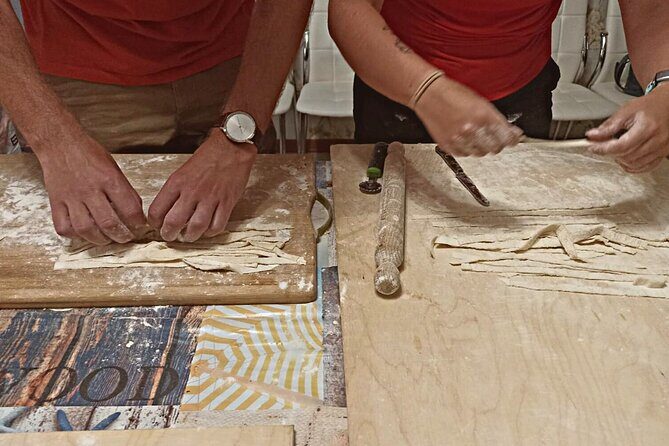
This works best if you want a hands-on Bologna experience. If you like learning food skills you can actually repeat, and you enjoy chatting with small groups in a home environment, you’ll probably love it.
It’s also a strong choice for families. Kids under 5 are free, and the host provides a special menu for them. That’s not common for cooking classes at this price level, and it’s a big plus for families visiting Bologna.
It’s especially good if you’re traveling as a couple or small group, since small groups usually feel calmer and easier in a home kitchen. You’ll still share the space with others, but you won’t feel like you’re in a factory line.
When you should think twice (or ask questions first)
A home pasta class isn’t for everyone. Here are your main “fit checks”:
- Space and comfort: the apartment setup can feel tight. If you’re claustrophobic or you need lots of room to move, you might find it stressful.
- Allergies: it’s not recommended for travelers with serious allergies to dogs and cats. Even if you don’t see them all the time, this matters enough to ask before booking.
- Expectations about prep: you might see some components handled in advance. If your personal goal is making every single ingredient from scratch, ask ahead what’s already prepared before the class begins.
- Cleanliness standards: it’s a family home. Some people love that authenticity; others may be more sensitive about shared bathroom use and how a home kitchen looks and smells. If you’re very particular, it’s worth deciding your comfort level before you go.
If you’re flexible and you’re there to learn pasta by doing, the small compromises are usually worth it.
Bring this class home: practice with the recipes
The best part after the flour washes off is having the recipes. You’ll be given recipes to surprise your guests back home, and you can use them to remake tagliatelle and tortellini without guessing.
My advice: don’t try to repeat everything the next day. Pick one shape—tagliatelle is often easiest to repeat—and then return to tortellini once your dough confidence is up. Fresh pasta is all about muscle memory: rolling pressure, dough feel, and timing.
If you want a smooth first attempt, keep your steps simple and focus on technique over perfection. Your first batch won’t be restaurant-level, but it’ll teach you quickly what you did right and what you can improve.
Should you book this Bologna home cooking class?
Book it if you want a small-group, hands-on pasta lesson in a real Bologna home, led by Irene and family support like Marco, with a meal afterward that’s built around what you cooked. The value is strongest when you want both training and food: three courses, wine, dessert, and take-home recipes.
Skip or ask extra questions if you need wheelchair-like space planning, have serious pet allergies, or you’re very sensitive about tight home-kitchen logistics. Also, if your definition of success is making every component from scratch with zero pre-prep, confirm how much is done ahead.
If your goal is classic Bologna comfort food made by your own hands, this class is a smart bet.