REVIEW · BOLOGNA
Bologna: Tagliatelle & Ragù Home Cooking Class with wine
Book on Viator →Operated by Curioseety SRLS · Bookable on Viator
Bologna’s pasta lesson starts with a home kitchen. This 3.5-hour, small-group class lets you hand-make fresh pasta and the famous Bolognese ragù, then sit down to a multi-course meal with wine. It’s a very direct way to learn how tagliatelle and ragù actually happen, not just how they taste.
I also love that you’re making three typical dishes of Bologna—often tortelloni, tagliatelle, and ravioli (with seasonal swaps)—and then you eat what you made. One possible drawback: because it’s in a family home setup, a few past participants flagged issues like cramped space, household interruptions, and hygiene concerns, so it helps to know you’re signing up for a real-home experience, not a polished culinary school.
In This Review
- Key Points to Know Before You Go
- What You’re Booking: Tagliatelle, Ragù, and a Real Bologna Home Vibe
- Where the Class Meets and How to Get There Smoothly
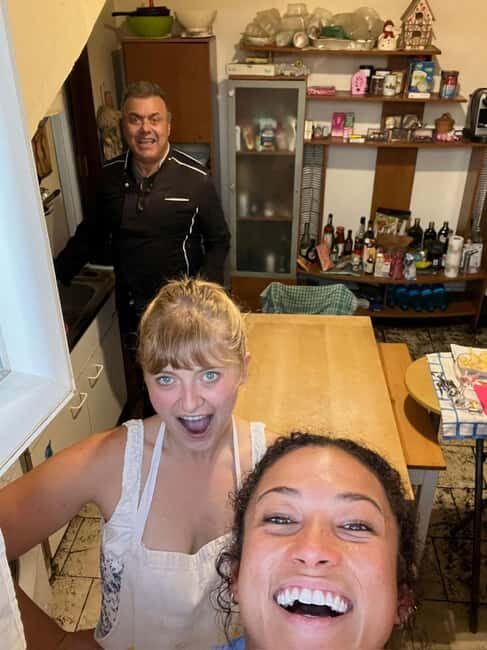
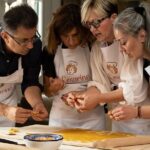
- Inside the Home Kitchen: What the Small-Group Setup Feels Like
- The Pasta Lesson: Tortelloni, Tagliatelle, and the Bologna Shapes Game
- Why these shapes are worth learning
- What “hands-on” really means here
- Bolognese Ragù Steps 1-2-3: The Sauce That Explains the Region
- The Lunch You Eat: Three Courses, Wine, Coffee, and Dessert
- What You Get to Bring Home
- Price and Value: $90.51 for 3.5 Hours, Food, and Wine
- Who Should Book This Class, and Who Should Think Twice
- Should You Book This Tagliatelle & Ragù Home Class?
- FAQ
- What dishes will I make in this Bologna class?
- How long is the cooking class?
- Is wine included?
- Is pickup or drop-off included?
- What’s included with the class besides cooking?
- How many people are in the group?
- What language is the class offered in?
- Can I request dietary accommodations?
- Where do I meet the group?
- Is there free cancellation?
Key Points to Know Before You Go
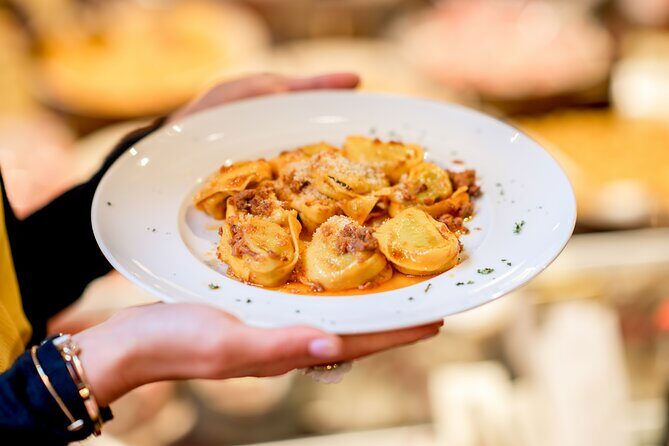
- Hands-on pasta + ragù, not just watching: you’ll roll, shape, and learn the steps up close.
- Three Bologna dishes: usually tortelloni, tagliatelle, and ravioli; sometimes ravioli switches to tortellini or strichetti.
- Lunch is part of the deal: your multi-course meal includes water, wine, coffee, and dessert or fruit.
- Max 10 people: small groups mean you get more time and attention during the cooking.
- Bring a flexible mindset: real-home atmosphere can mean tighter space and more family life in the background.
What You’re Booking: Tagliatelle, Ragù, and a Real Bologna Home Vibe
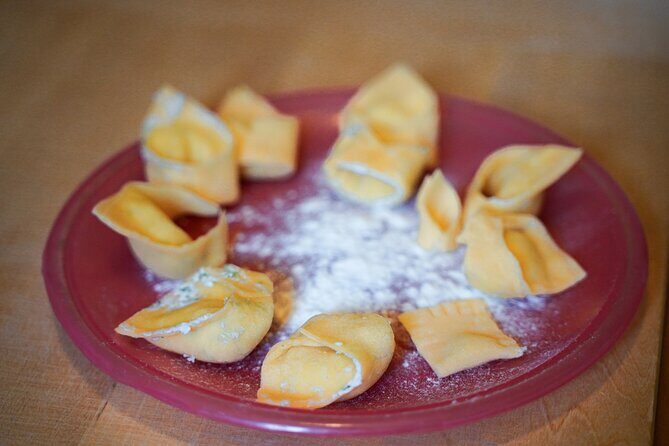
This isn’t the kind of tour where you stand at the edge of the room and hope you catch the technique. You’re in the kitchen making pasta by hand, then you eat a proper three-course lunch (yes, with wine) that follows the same dishes you learned. The overall value is strong because the cooking time and the meal time both count.
The Bolognese angle matters here. Bologna ragù isn’t just “sauce.” It’s a specific, patient approach, and the class is designed to walk you through it step by step (they describe it as a 1,2,3 recipe). If you’ve only had ragù from a jar, you’ll notice the difference right away—not just in flavor, but in texture and how the sauce clings to pasta.
Still, go in with the right expectations. The space is a family home setting. That can be cozy and fun, but it can also mean cramped working areas, a more informal setup, and possible distractions from household life. One or two people described sanitation and comfort issues, so if hygiene is a major deal-breaker for you, this is the part to weigh carefully.
Other pasta making classes in Bologna
Where the Class Meets and How to Get There Smoothly
You’ll meet at Viale Abramo Lincoln, 60, 40139 Bologna. There’s no hotel pickup or drop-off, so plan on handling your own transport. The upside of this: you won’t waste time waiting for transfers, and you get a clear start point.
The class ends back at the same meeting point, so you’re not stuck figuring out a new location after lunch. Since it runs about 3 hours 30 minutes, getting there a few minutes early is smart. In a residential-area home setting, a delayed arrival can throw off the pace for everyone.
Practical tip: if you’re arriving by taxi or rideshare, confirm the exact address before you let the driver move on. With home-based experiences, being off by even a few buildings can add stress—especially if you’re meeting people at a door instead of a storefront.
Inside the Home Kitchen: What the Small-Group Setup Feels Like
This class caps at 10 travelers, which is a big deal in a home kitchen. Fewer people usually means:
- you can form a line and actually learn the hand motions
- you’re more likely to get quick answers when something goes wrong
- the whole process moves at a human pace, not a factory pace
The atmosphere tends to be relaxed—many people enjoy the “you’re a guest in a family kitchen” feeling. I like that it’s social without being noisy-tour chaotic, and it often helps you feel less intimidated when you’re rolling dough.
That said, you should expect the environment to be casual. A couple of participants raised concerns about things like crowded space, shared bathroom use, kitchen clutter, or whether everything felt clean enough. You can’t fully predict that ahead of time, so use your own comfort standards: if you’re very sensitive to sanitation details, consider whether you’d be happier in a dedicated cooking school.
The Pasta Lesson: Tortelloni, Tagliatelle, and the Bologna Shapes Game
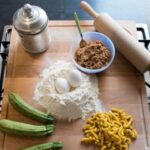
The core of the class is hand-making three typical Bologna dishes. Most often, the mix includes:
- tagliatelle
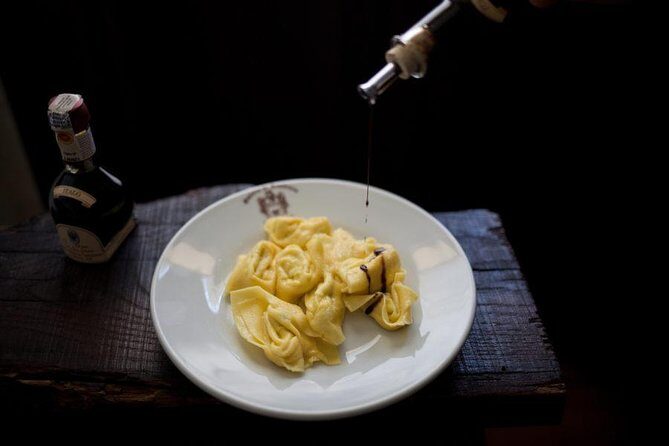
- tortelloni
- ravioli
But there’s a seasonal note that matters: in some periods of the year, ravioli may be replaced by tortellini or strichetti. That’s not a problem if you’re flexible. It can even be a plus, because you might learn a shape you don’t see every day on menus.
Why these shapes are worth learning
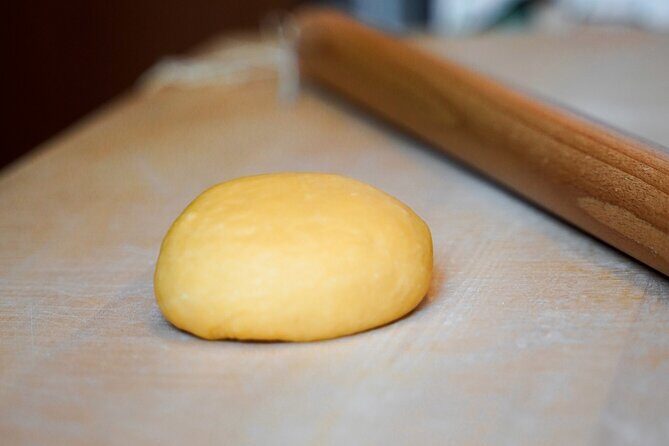
Tagliatelle teaches you dough thickness and cutting rhythm. It’s a great “foundation” pasta because the shape is simple but unforgiving: thickness and consistency affect how sauce clings.
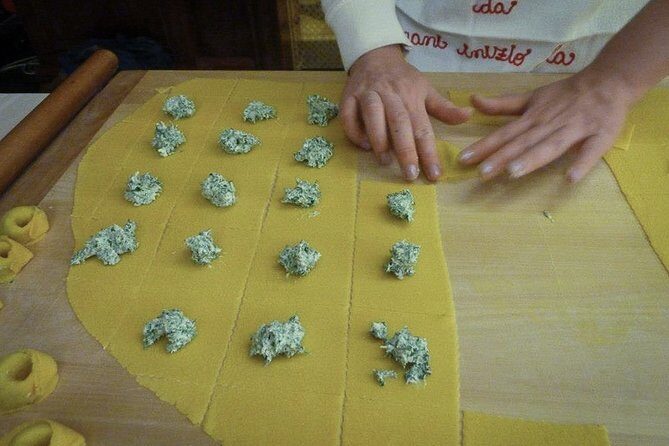
Tortelloni and ravioli (or the substitutes) are the technique challenge. This is where you learn filling portioning, sealing, and how to keep pasta edges from drying out. Even if your first attempt looks imperfect, you’ll start understanding the logic fast: dough behaves differently depending on how it’s handled and timed.
Other tagliatelle and ragu experiences in Bologna
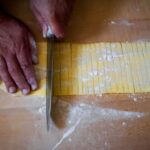
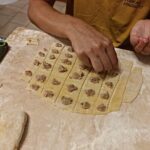

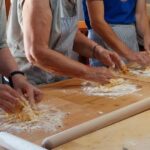
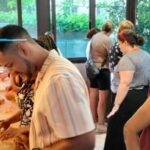
What “hands-on” really means here
You’re not just assembling one pasta. You’ll work through multiple dishes, and the class is set up so you can eat later what you made. That means you’ll get practice with:
- shaping steps
- cooking readiness (timing matters for fresh pasta)
- serving your work as a meal, not a demo
If you’re thinking this is for beginners: it can be. Fresh pasta is more forgiving than dried pasta in some ways because you’re working with it right there. But you’ll still need patience—especially for the stuffed pastas.
Bolognese Ragù Steps 1-2-3: The Sauce That Explains the Region
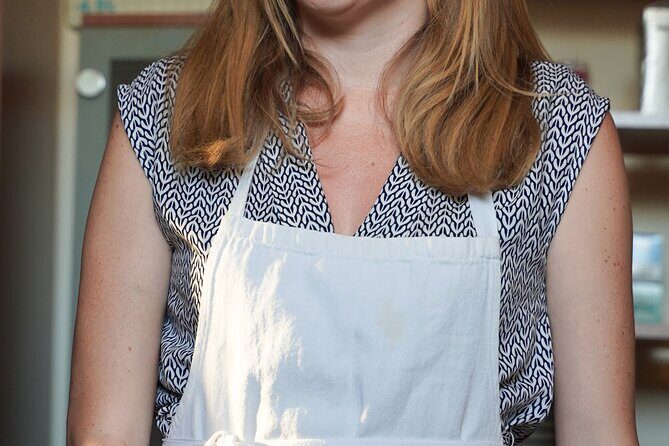
Then comes the ragù. The class frames it as a step-by-step recipe—they describe it as following the original recipe in a 1,2,3 sequence. That’s useful because ragù success is mostly about order and timing.
Even without getting too theoretical, here’s what you should watch for while you cook:
- how you build flavor before the sauce is fully cooked
- how the sauce reduces and thickens
- when it’s ready to pair with your pasta
I like that this class treats ragù as a teachable process, not a finished product. If you want to make better ragù at home, you need more than taste—you need the rhythm.
Also, it’s the kind of lesson that changes how you eat later. Once you’ve made ragù, you’ll pick up on why people in Bologna treat it like a signature dish, not a side idea.
The Lunch You Eat: Three Courses, Wine, Coffee, and Dessert
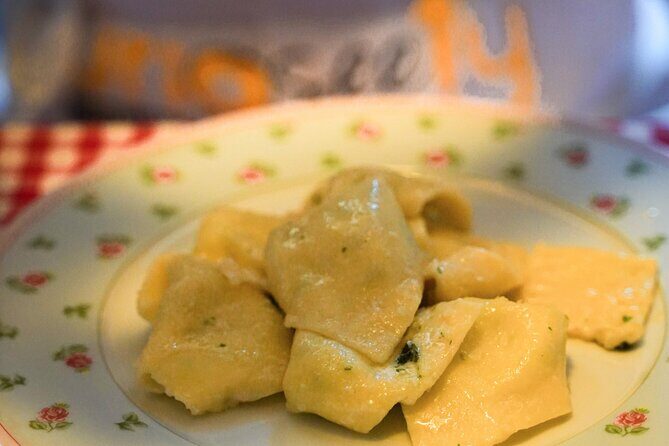
After the cooking, you’ll sit down to a three-course lunch using the dishes from the class. Included in the meal are water, wine, coffee, and dessert or fresh fruit.
That inclusion is a big part of the value. You’re not paying just for the “activity.” You’re paying for a full meal experience with the results of your work. In practice, it also helps you learn: you can compare your pasta outcome to how it should taste once it’s cooked properly.
Pacing tip: fresh pasta and stuffed pasta can fill you up more than you expect. If you drink wine with lunch (it’s included), take it slow early in the meal. You’ll want your energy for dessert and the trip back.
One more note: a few participants complained that the wine tasted rough. I can’t promise quality in advance, since it’s included as part of the setup, not described in detail. If wine quality is a top priority, just go in expecting it as part of the meal experience, not as a high-end tasting.
What You Get to Bring Home
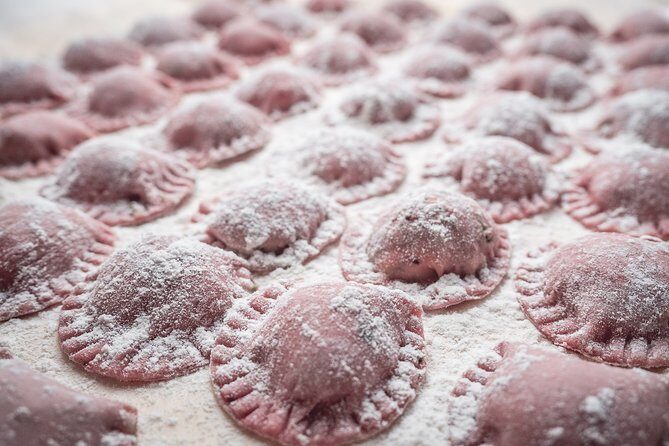
This class includes recipes you can take back home. For me, that’s where home cooking classes become more than a fun afternoon: you’re not just remembering the taste—you can recreate the steps later.
If you’re hoping to practice, start with one dish first. Tagliatelle is the easiest confidence builder, and ragù becomes the flavor anchor for everything you make after.
And because you’re making multiple dishes, you’ll likely leave with at least one you feel ready to repeat immediately. That matters. A great class doesn’t just teach. It helps you choose what to cook next week.
Price and Value: $90.51 for 3.5 Hours, Food, and Wine
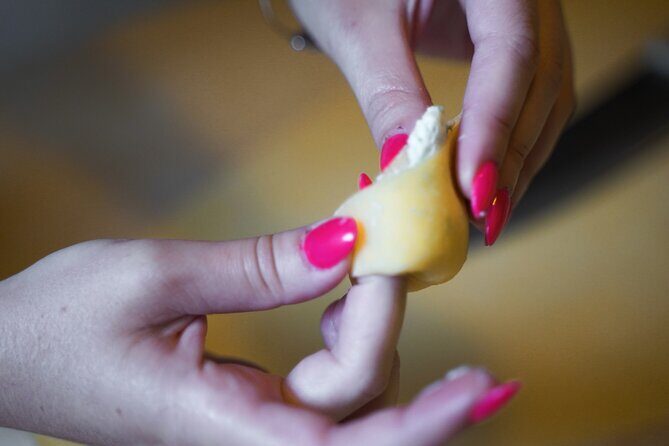
At $90.51 per person for about 3 hours 30 minutes, the price can feel “high” if you compare it to a restaurant meal. But you’re not just buying lunch. You’re buying:
- hands-on instruction for fresh pasta and ragù
- a multi-course lunch with water, wine, coffee, and dessert/fruit
- recipes to recreate the experience later
- a small-group limit of up to 10 people
You also avoid the cost and hassle of extra planning because the meal is built into the class. The one thing you should factor in: there’s no hotel pickup/drop-off, so you may need to budget transport to and from Viale Abramo Lincoln.
If you want an afternoon that feels like Bologna, this is one of the more direct ways to get it. You leave with a skill and a meal, not just photos.
Who Should Book This Class, and Who Should Think Twice
This suits you if:
- you like hands-on food experiences
- you want classic Bolognese cooking, not generic Italian cooking
- you enjoy small groups and a home-style atmosphere
- you want to eat what you make with wine included
Think twice if:
- hygiene and workspace cleanliness are non-negotiable for you
- you get easily bothered by cramped environments or household noise
- you prefer a formal, professional culinary-school setup over a real-home setting
A lot of people love the warm, family-style feel. The lesson is often described as fun and welcoming, and even men in groups have participated enthusiastically. But because this is a home environment, your comfort level matters. I’d rather you decide calmly than be disappointed later.
Should You Book This Tagliatelle & Ragù Home Class?
If you want Bologna in your hands and on your plate, I think it’s a strong choice—especially for the combo of three pasta dishes + homemade ragù + lunch with wine. The small group size is a real plus, and the included recipes make it more than a one-off meal.
My best advice: book it if you’re excited to learn techniques and you’re comfortable with a real-home setting. Skip it (or consider another option) if cleanliness, quiet space, or a professional kitchen environment is crucial for you.
If you do book, send your dietary requirements at the time of booking. And arrive a few minutes early so you can settle in without stress.
FAQ
What dishes will I make in this Bologna class?
You’ll hand-make three typical dishes of Bologna, usually including tagliatelle, tortelloni, and ravioli. In some periods of the year, ravioli can be replaced with tortellini or strichetti.
How long is the cooking class?
The experience lasts about 3 hours 30 minutes.
Is wine included?
Yes. The lunch includes wine, along with water, coffee, and dessert or fresh fruit.
Is pickup or drop-off included?
No. There is no hotel pickup or hotel drop-off. The activity starts and ends back at the meeting point.
What’s included with the class besides cooking?
You get a hands-on home cooking lesson, a full three-course lunch, bottled water, and recipes to take home.
How many people are in the group?
The class has a maximum of 10 travelers.
What language is the class offered in?
The experience is offered in English.
Can I request dietary accommodations?
Yes. You should advise any specific dietary requirements at the time of booking.
Where do I meet the group?
You meet at Viale Abramo Lincoln, 60, 40139 Bologna BO, Italy.
Is there free cancellation?
Yes, you can cancel up to 24 hours in advance for a full refund.
If you want, tell me your travel dates and whether you have any dietary needs, and I’ll help you judge if this format (home kitchen, small group) fits your style.