REVIEW · BOLOGNA
Cesarine: Small group Pasta and Tiramisu class in Bologna
Book on Viator →Operated by Cesarine: Cooking Class · Bookable on Viator
Pasta in someone’s home beats the restaurant routine. This Cesarine class puts you inside a Bologna apartment or house kitchen, not a big studio, and you’ll learn hands-on pasta technique plus a proper tiramisù finish. Two things I especially like: the home welcome (Prosecco and nibbles right at the start) and the small group size (up to 12, so questions don’t get lost). One possible drawback to plan for: while English is offered, some hosts may use an interpreter if needed, and home rules can include practical things like shoe coverings.
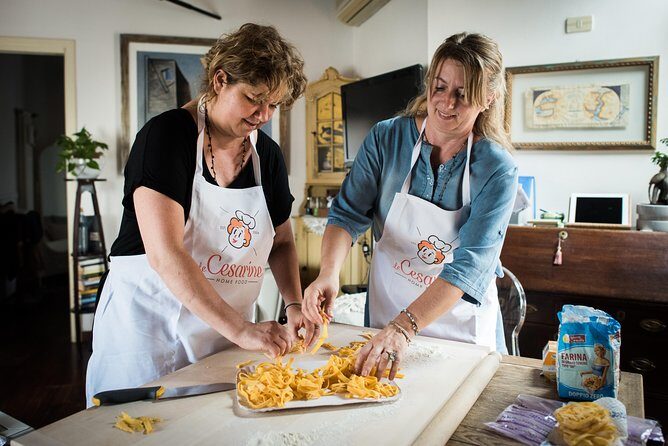
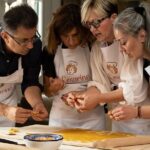
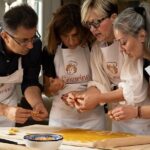
You’re not just watching. You’re rolling, shaping, and tasting with the people teaching you. And because it’s in a real home, the pace feels relaxed even while you’re getting real instruction.
In This Review
- Key highlights you’ll feel fast
- Why a Bologna home class beats a restaurant meal
- The 3-hour flow: from Prosecco kickoff to tiramisù victory
- What you actually learn: pasta technique and tiramisù structure
- Cesarine hospitality: why the host matters more than the menu
- Price and value: what $163.33 really covers
- Logistics that matter in Bologna (and at home)
- Health and comfort rules
- Tips to get the most out of your class
- Who should book this, and who might prefer something else
- Should you book Cesarine: Pasta and Tiramisu in Bologna?
- FAQ
- How long is the Pasta and Tiramisu class?
- Where does the class start and end?
- Is the class offered in English?
- How big is the group?
- What will I cook?
- Are drinks included?
- Can the class accommodate dietary restrictions?
- What is the cancellation policy?
Key highlights you’ll feel fast
- Cesarine welcome in their home: get greeted like you’re visiting family, not lining up for a show
- Prosecco and nibbles at kickoff: easy start while everyone settles in
- Hands-on cooking: you actively make two pasta dishes plus tiramisu
- Small group limit (max 12): more attention, less waiting around
- Likely extra helpings and add-ons: some hosts add starters, sauces, or house specialties
- Diet-friendly flexibility: one host adjusted for vegetarian needs and lactose-free products when requested
Why a Bologna home class beats a restaurant meal
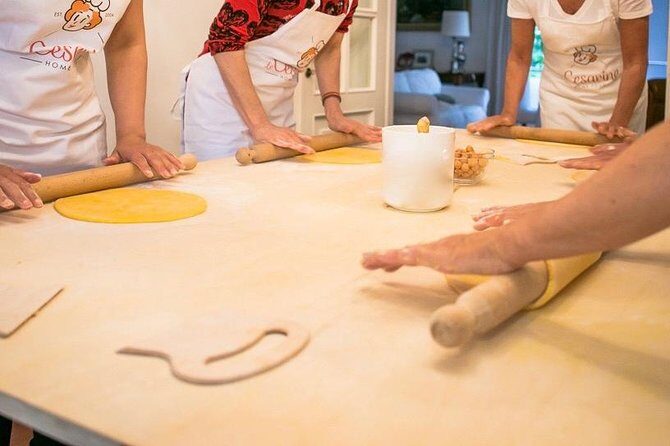
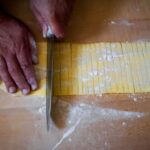
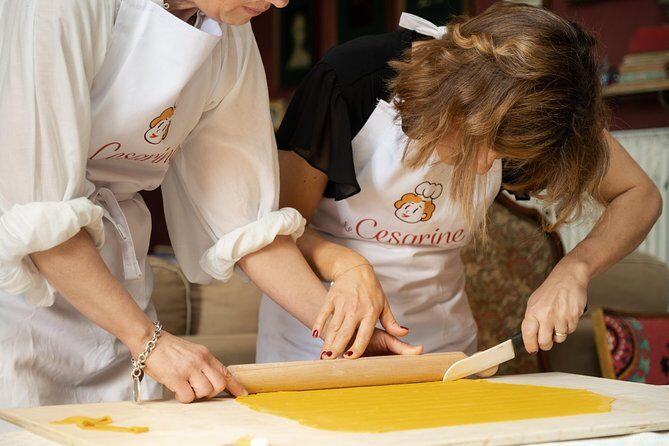
Bologna is famous for pasta, and you’ll also notice it’s serious about details. This class is smart because it teaches those details where they matter: in a real kitchen with real workflow. Instead of a demo where you only watch until dessert, you get to do the steps yourself—kneading, shaping, and learning what the dough should look and feel like.
I also like the social side. You’re eating what you make, with the people guiding you, and that changes the whole experience. Hosts you might be assigned include names like Maurizio, Federica, Christina, Roberta, Annamarie, and others—each with their own teaching style and personality, which is a big part of why the ratings are so high.
One more reason this works: the class format is built for comfort. You’ll get clear instruction, a calm setting, and time to ask questions without feeling rushed. That’s a better way to learn than trying to copy recipes later from memory.
Other pasta making classes in Bologna

The 3-hour flow: from Prosecco kickoff to tiramisù victory
The total time is about 3 hours and it typically ends back where you start. Expect something like this rhythm:
You’ll begin in Bologna at the set meeting point, then you’ll head into the host’s home. The class usually starts with Prosecco and nibbles to break the ice. This isn’t just a perk; it helps you settle into the kitchen tempo so you can focus once the work begins.
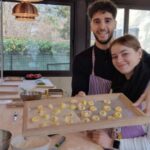
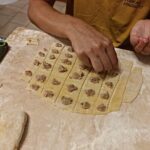
Next comes the cooking block. You’ll prepare the pasta—this can include more than one pasta style, with guidance on shaping and handling. Tiramisu follows after the pasta is underway or completed, so you end with a dessert that feels like a reward rather than a last-minute chore.
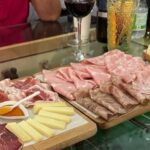
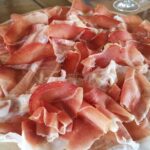
Finally, you eat. Many homes add extra elements so the table feels complete: things like antipasti, house-made focaccia, ragu sauce, or other appetizers prepared by the host ahead of time. Alcohol can show up beyond the initial Prosecco as well, since some hosts serve wine during the meal. Even if it’s not a big party, the meal is still generous because you’re using it as part of learning—taste, adjust, and understand how the food should come together.
If you’re the type who worries about being behind, you’ll probably relax. With small groups, you can ask for help and get hands-on corrections rather than generic tips.
What you actually learn: pasta technique and tiramisù structure
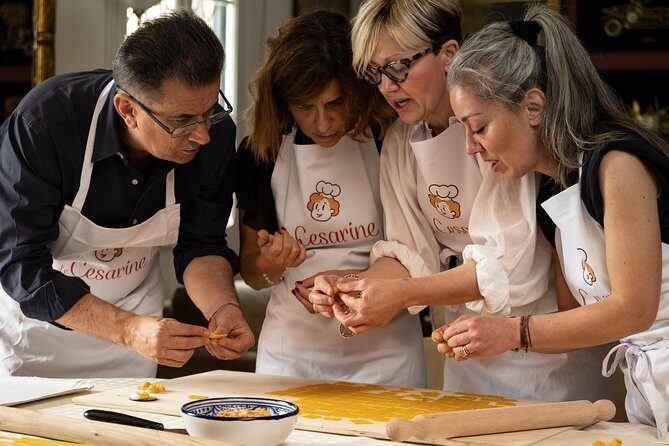
The headline menu is simple: pasta and tiramisù. But the value is in the technique.
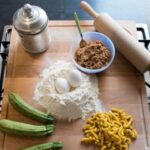
For pasta, the core lessons tend to be about texture and handling. You’ll learn what the dough should do as you knead and roll it, and you’ll get guidance on shaping so the pasta cooks evenly. Fresh pasta cooks fast, and you’ll learn how to judge doneness in a real kitchen setting instead of guessing from a package clock.
For tiramisù, the key is balance: cream texture, coffee soak level, and layering. Hosts usually walk you through how to assemble it so it sets properly and tastes right. It’s not only about the final dessert—watch how your tiramisù is built, and you’ll understand why it holds together later.
A practical bonus: several hosts provide detailed information or take-home guidance. That matters because the hardest part of recreating Italian desserts at home is not the recipe name—it’s getting the process right. If the host gives you extra notes, you’ll be able to repeat what you learned without starting from zero.
Cesarine hospitality: why the host matters more than the menu
This is where the class really earns its nearly perfect score. A good cooking instructor can teach technique. A great Cesarine does something extra: makes you feel comfortable enough to learn. You see that in the details people talk about—warm welcoming energy, patience when someone’s hands get clumsy, and explanations that include small shortcuts.
Some examples from host styles you may encounter:
- Maurizio is praised for friendliness and a very strong teaching vibe—people say the experience felt like family.
- Federica is described as an excellent teacher, with guests leaving excited to cook the recipes again at home.
- Christina is noted for sharing technique, shortcuts, and practical handling tips for ingredients and tools.
- Roberta and Annamarie are mentioned for hospitality, interactive pacing, and clear instruction in a home setting.
You should also know that the class is capped at 12 travelers, but many homes run with fewer than that. That often makes the experience feel closer to a private lesson than a group tour.
Price and value: what $163.33 really covers
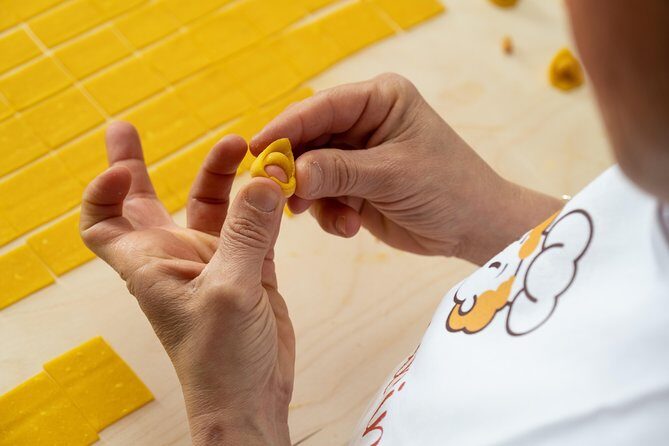
At $163.33 per person for about 3 hours, you’re paying for more than “a meal.” You’re paying for:
- Instruction in a small group (limited number of people, hands-on coaching)
- An in-home kitchen setting with the tools and workflow suited to fresh cooking
- Ingredients and drinks built into the experience, starting with Prosecco and nibbles
- Your finished food: multiple pastas plus tiramisù, then you sit down and eat
So how do you judge value? Compare it to two common alternatives:
1) A cooking class where you mostly watch
2) A Bologna restaurant dinner where you just eat, not learn
This class gives you skills you can use later. If you actually cook at home more than a couple times a year, it’s easier to justify. The real “return” comes when you make fresh pasta (or tiramisù) and realize you can repeat the steps without guessing.
And there’s another hidden value: you get a window into how locals live and cook. Even if you’re not buying a cookbook, you’re picking up practical habits—how Italian home cooks work, what they pay attention to, and how they pace a meal.
Other small group tours in Bologna



Logistics that matter in Bologna (and at home)
A few practical notes can save you stress:
- English is offered, but language experience can vary by host. If you don’t speak Italian, don’t panic—one class experience included translation support for an interpreter when the host spoke Italian.
- You’ll start and end in Bologna and it ends back at the meeting point.
- Near public transportation means you can rely on transit instead of needing a car.
- Mobile ticket is used.
- Home rules may include shoe coverings. One experience specifically required shoe coverings, so bring the expectation that you may need them.
Health and comfort rules
The class includes sanitation measures in the home. Hosts provide essentials like paper towels, hand sanitizer, and other cleaning equipment. You may also be asked to follow distance guidance (like staying 1 meter apart), and if that’s not possible, you might need masks and gloves. It’s not unusual for home experiences now, but it’s smart to plan for it so you’re not caught off guard.
Tips to get the most out of your class
If you want to leave with skills (not just a full stomach), do a few small things:
1) Come hungry, but not stressed. You’ll start with nibbles and then cook. People are often surprised by how quickly the time passes once you’re rolling dough.
2) Watch technique, not just steps. The difference between okay pasta and excellent pasta is often hand pressure, timing, and the feel of the dough.
3) Ask about texture targets. Instead of only asking what comes next, ask what you should look for—dough elasticity, correct consistency, or how tiramisù should feel when layered.
4) Take notes on equipment and shortcuts. Several hosts are praised for technique plus practical shortcuts, which you’ll want to remember.
5) If you have dietary needs, tell them clearly in advance. One guest described a host making adjustments for vegetarian needs and lactose-free products, including avoiding onion and garlic based on intolerance. You shouldn’t assume all recipes can change, but home hosts are often willing when you ask.
Who should book this, and who might prefer something else
This class fits you best if you want:
- Hands-on instruction in fresh pasta and tiramisù
- A small, friendly group with time to chat and learn
- A more personal experience than a busier cooking venue
It might feel less ideal if:
- You need a highly standardized program with exact historical commentary. One experience noted limited dish context and that the session started quickly.
- You prefer a totally hands-off lesson. This one is work. You’ll be cooking.
If you’re traveling as a couple, as a group of friends, or even solo, the format works well because the kitchen setting naturally supports conversation. And if you’re in Bologna for a short stay, this is a concentrated “learn and eat” activity that doesn’t require you to plan ingredients or transportation for later.
Should you book Cesarine: Pasta and Tiramisu in Bologna?
Yes, if you’re excited by the idea of cooking in a real home kitchen and learning how fresh pasta and tiramisù actually work. The strong ratings make sense: people consistently highlight the host warmth, the hands-on teaching, and the sense of leaving with skills you can repeat.
Before you book, think about one thing: language comfort and home rules. If you’re flexible and ready to follow simple instructions like shoe coverings or sanitation guidance, you’ll likely enjoy the relaxed, family-style atmosphere.
If you want to be sure it fits your dietary needs or expectations about language, send your notes at booking. A class this personal is easiest to tailor when the host has the details upfront.
FAQ
How long is the Pasta and Tiramisu class?
It runs for about 3 hours.
Where does the class start and end?
It starts in Bologna, and it ends back at the meeting point.
Is the class offered in English?
English is offered, but you should be aware that translation support may be used in some cases depending on the host.
How big is the group?
The class has a maximum of 12 travelers.
What will I cook?
You’ll prepare pasta dishes and tiramisù with your host’s guidance.
Are drinks included?
You start with Prosecco and nibbles. Some experiences also include additional drinks during the meal.
Can the class accommodate dietary restrictions?
The home setting can be flexible. One experience described the host adjusting recipes with lactose-free products and accounting for a vegetarian and intolerance needs, but you should request dietary needs in advance.
What is the cancellation policy?
You can cancel for a full refund up to 24 hours before the experience starts. Free cancellation is available, and the local time for the experience matters. If the minimum number of travelers isn’t met, you’ll be offered a different date or a full refund.