REVIEW · BOLOGNA
Bologna: Gelato Making Workshop with a Professional
Book on GetYourGuide →Operated by My Gelato Lab · Bookable on GetYourGuide
Gelato is science, not magic. In Bologna, I love this small, hands-on workshop because you learn from professional craft at a real home kitchen setting. You focus on classic Italian technique and leave with more than a sweet souvenir.
What really sold me: you make gelato plus granita and sorbet from raw ingredients, not just assemble pre-made mixes. You also get practical coaching on what good gelato should look and taste like, and how to judge freshness when you’re buying it later.
One heads-up: transportation isn’t included. Since you meet at Via Antonio Vivaldi, 26, you’ll want to plan your route through Bologna’s streets in advance.
In This Review
- Key things to know before you book
- A 2.5-hour gelato lesson in Bologna’s Via Antonio Vivaldi
- Meet Alessandro and learn what makes gelato truly Italian
- Your hands-on session: granitas, gelati, and sorbets from raw ingredients
- How the workshop trains you to judge gelato quality (not just flavor)
- Small group energy and language support that actually matters
- What to do at each stage of the workshop (so you know what you’re waiting for)
- Price and value: is $77 per person worth it?
- Who should book this gelato workshop in Bologna
- Practical tips so the day goes smoothly
- Should you book? My take on the decision
- FAQ
- FAQ
- How long is the gelato making workshop?
- Where do I meet the host in Bologna?
- How much does it cost per person?
- What desserts will I make during the workshop?
- Is transportation included?
- What group size is this workshop?
- What languages will the instructor speak?
- Is the workshop suitable for children?
- Can I take leftovers home?
- What is the policy if I need to cancel?
- Do I need to share allergy information beforehand?
Key things to know before you book
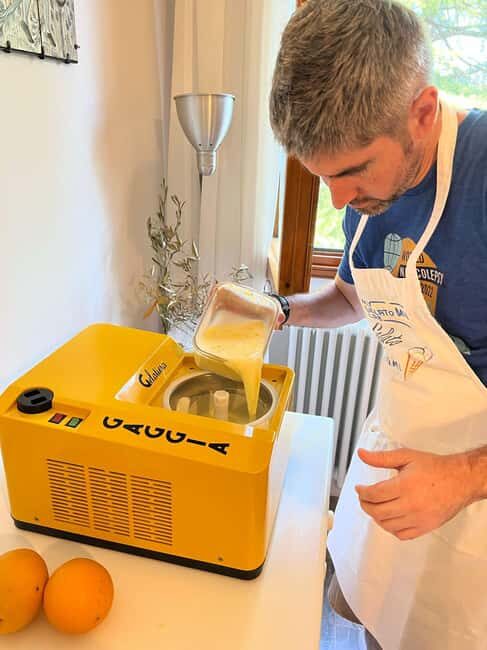
- Small group of up to 4 means more hands-on time and fewer awkward gaps in the lesson
- Two-and-a-half hours focused on making granitas, gelati, and sorbets, not a quick demo
- Professional instruction in English and Italian with support for special requests
- You learn to spot quality by the characteristics of gelato and signs of freshness
- Take-home packaging so leftovers don’t vanish the second you walk out
- Allergy info must be shared ahead of time, so you can cook safely
A 2.5-hour gelato lesson in Bologna’s Via Antonio Vivaldi
This workshop is built for people who want more than a sugar tasting. You meet your host, Alessandro, at his home on Via Antonio Vivaldi, 26, and the session runs about 2.5 hours. The setting matters: you’re not watching gelato happen through a plate-glass wall. You’re learning the steps in a kitchen environment where the process actually unfolds.
The group size is limited to 4 participants, which changes the feel immediately. If you’ve ever joined a class where one person takes over and the rest hover, you won’t get that here. With only a few people, you can ask questions and get real correction—especially when you’re learning technique instead of copying a recipe.
No transportation is included. That’s the main practical consideration. If you’re staying in the city center and you’re comfortable with walking or short rides, you’ll be fine. If you’re relying on public transport with tight connections, give yourself extra buffer time.
A few more Bologna tours and experiences worth a look

Meet Alessandro and learn what makes gelato truly Italian
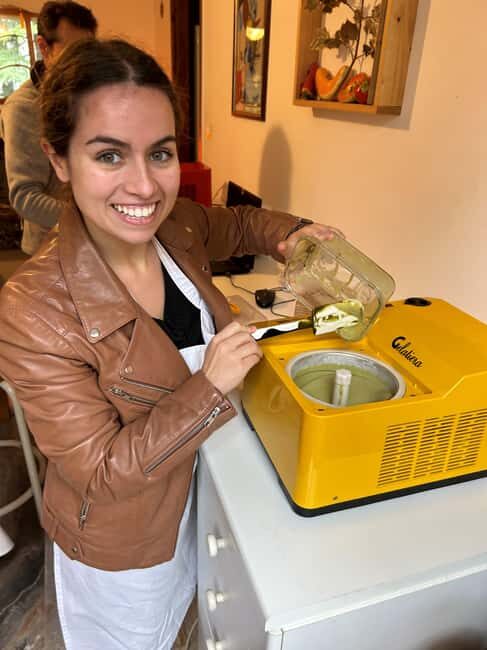
Bologna is famous for food culture, but gelato has its own rules. This class starts by putting gelato into context: where it comes from in Italy and how the craft developed into what people expect today. You’re not just told history like a museum label. You get the reason behind the method.
Alessandro also explains how gelato differs from standard ice cream—both in concept and in what ends up on your spoon. One theme that comes up in the experience is that proper gelato-making takes effort and care. It’s not only about flavor. It’s about how ingredients behave and how the texture comes together.
You’ll also learn how to recognize good gelato by its characteristics, and how to judge freshness so you can get the best quality from a shop. That’s a surprisingly useful skill. Most people buy gelato based on flavor names alone. After this, you’ll be thinking about texture, appearance, and what freshness means in practice.
Your hands-on session: granitas, gelati, and sorbets from raw ingredients
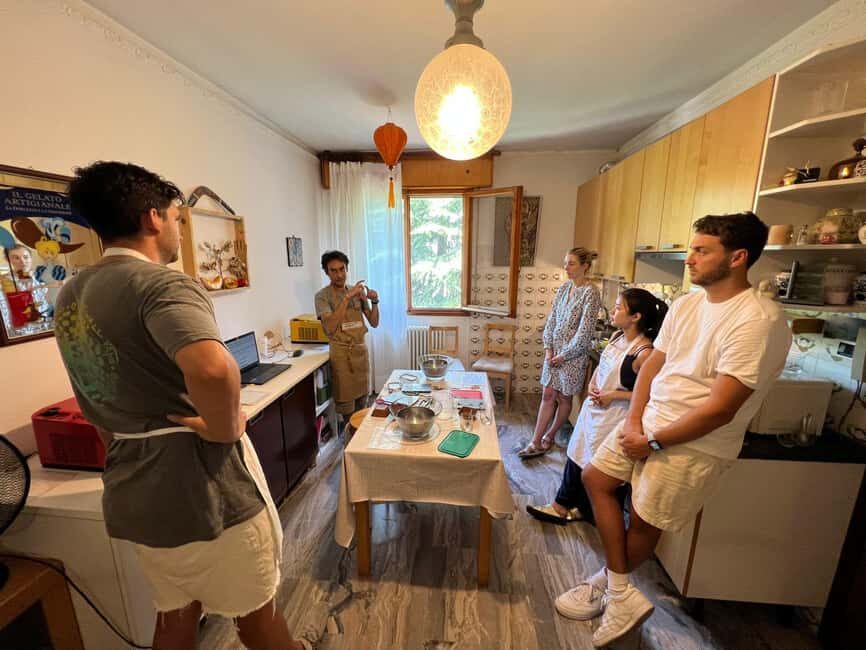
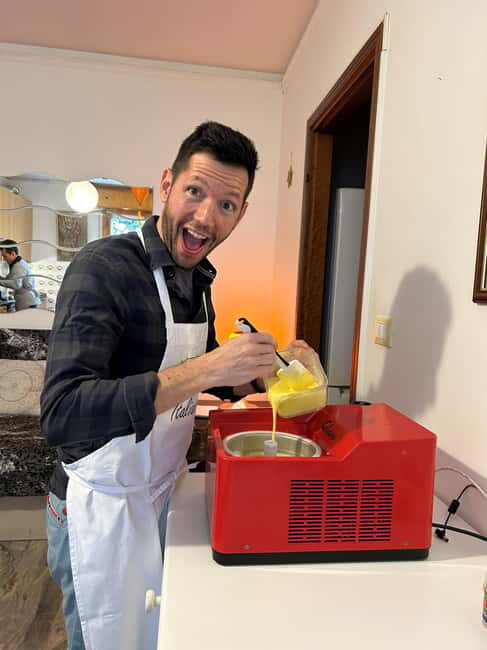
This isn’t a single-recipe class. During the workshop you prepare granitas, gelati, and sorbets, using raw ingredients. That means you experience how different bases behave and how technique changes by dessert type.
One of the most satisfying parts is how the session is paced around cooling and timing. As one example of how the class flows, you may be working on gelato while a mixture cools, and then you move into making granita during that waiting period. This is smart teaching. It keeps everyone active instead of standing around. It also shows you that good gelato isn’t instant; patience is part of the method.
Flavor variety is also a big part of the fun. You’ll work with a wide selection of flavors, and you’ll learn enough process to understand why one batch behaves differently from another. People often come to gelato classes wanting a list of recipes. You’ll still get results that you can repeat, but the stronger takeaway is understanding the logic behind the steps.
You also take home what’s left. If you don’t finish everything at the end of class, Alessandro packs it for you so it survives the trip back to your lodging. In other words, the workshop doesn’t turn into a sugar sprint. You leave with real leftovers—your own gelato handiwork.
How the workshop trains you to judge gelato quality (not just flavor)
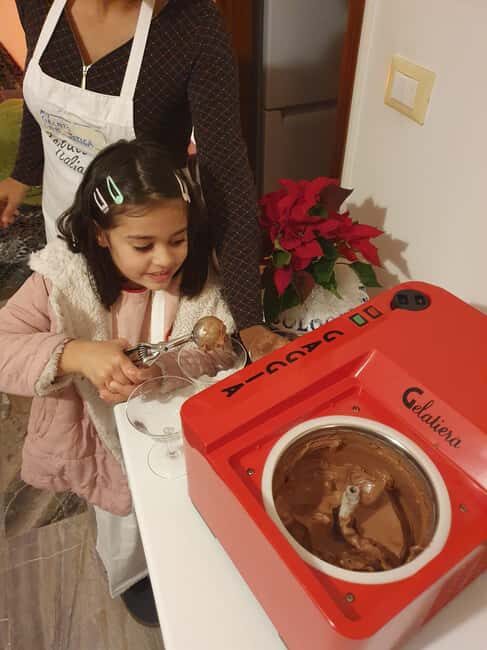
Knowing how to make gelato at home is great. Knowing how to pick good gelato in a shop is even better, especially in a place like Bologna where options are plentiful.
The workshop teaches you how to spot quality by characteristics. You learn what to look for so you can recognize well-made gelato rather than relying on signage, brand, or whatever the case looks like from across the room. Freshness is part of this too. Gelato that’s been handled well will show it, and gelato that hasn’t will also show it. You get a practical mindset for comparing what you’re seeing with what you’re tasting.
This is the kind of skill that makes the whole trip feel smarter. You can walk out of the workshop, go straight to a gelateria, and apply what you learned. Suddenly you’re not just eating. You’re evaluating. And evaluation is a lot more fun when it includes tasting.
Small group energy and language support that actually matters
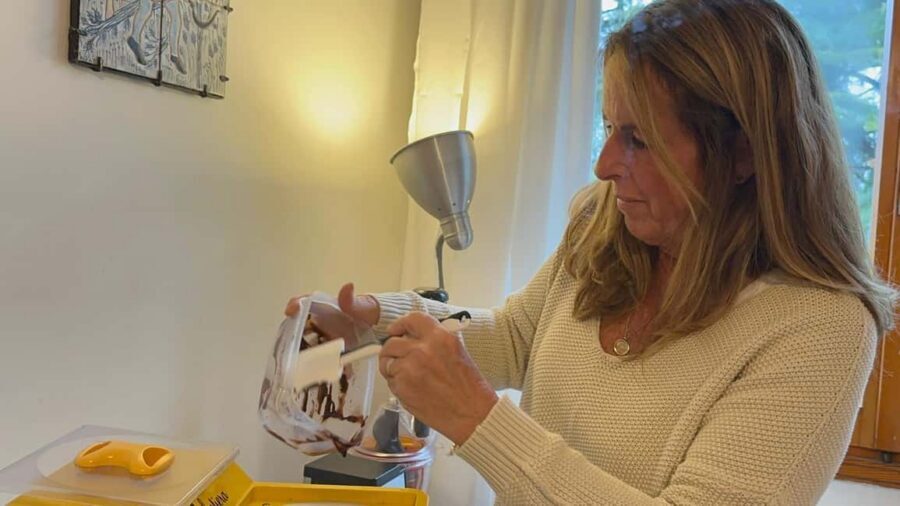
There’s a real difference between a tour that explains and a workshop that teaches. With this class, the focus is on instruction that you can follow while doing the work.
The instructor offers English and Italian, which is ideal if you’re traveling with friends who speak different languages. You’re not forced into a one-language-only format, and it’s easier to keep up with technique when you can ask questions in a comfortable language.
Because the group is so small, your timing and questions can be handled without the class feeling rushed. That matters when you’re learning something technical-ish like freezing behavior and texture control. You can catch the little details while they’re still happening.
Children are welcome under adult supervision, but it’s not suitable for children under 3. If you’re traveling with kids, this can be a fun family activity because they can participate in the making and enjoy the results. The class also includes allergy and intolerance information that must be provided in advance, so you can plan safely.





What to do at each stage of the workshop (so you know what you’re waiting for)
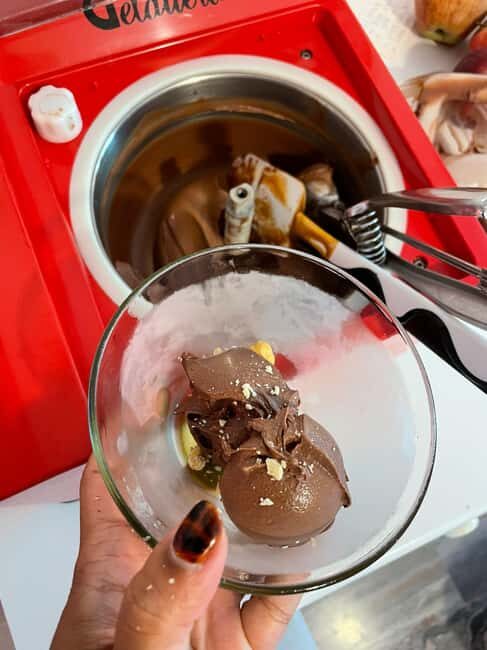
While the exact minute-by-minute flow isn’t spelled out, the structure is clear: you start with explanation, move into hands-on making, and finish with take-home results.
Typically you’ll begin with the gelato-making foundation—origins, techniques, and what makes gelato gelato. Then you jump into preparation. Since you’re making multiple desserts, you’ll likely switch between tasks based on cooling and setup needs.
If you’re watching the process in real time, here’s what to expect in practical terms:
- You’ll learn how ingredients go together and how their role affects the final texture
- You’ll work on batches for different dessert types, including gelato and sorbet
- You’ll prepare granita as part of the session (especially while other mixes cool)
- You’ll finish with enough product to taste during the workshop and take home leftovers
That last point is important. A lot of workshops feel like you’re tasting a teaser version and then paying for the privilege. Here, you’re not just tasting. You’re creating something you can bring back and enjoy again later.
Price and value: is $77 per person worth it?
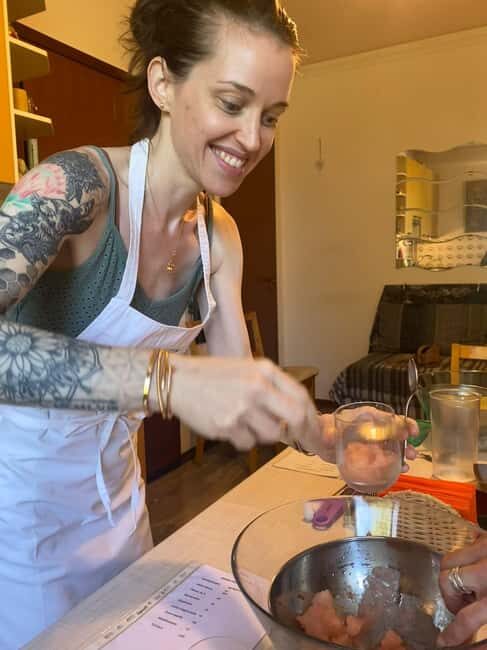
At $77 per person for a 2.5-hour workshop, the price makes sense when you look at what you’re getting.
First, it’s not a large group experience. With a limit of 4 participants, you’re paying for time with the instructor and a setup that supports hands-on learning.
Second, you’re making multiple desserts—granitas, gelati, and sorbets—from raw ingredients. That’s more work than a single-flavor class, and it gives you broader skills you can use later.
Third, you leave with leftovers. Even if you only take home half, that’s still part of the value. You’re not just paying for the lesson. You’re paying for ingredients, preparation time, and packaging so you can actually enjoy your results beyond the workshop window.
If you love gelato and you want to understand the technique instead of only eating the final product, this is a solid use of time in Bologna. If you’re only looking for a quick sweet taste and zero cooking, you’ll probably prefer a gelateria stop instead.
Who should book this gelato workshop in Bologna
You’ll like this class if:
- You want a hands-on food experience, not a slideshow
- You care about how things are made, not only how they taste
- You like small-group settings where you can ask questions
- You want practical skills for buying and judging gelato later
It’s also a great option for families with kids who can follow adult supervision. Just remember it isn’t suitable for children under 3.
If you have specific dietary restrictions, share them early. Allergy and intolerance info must be provided in advance, and the host can advise based on special requests.
Practical tips so the day goes smoothly
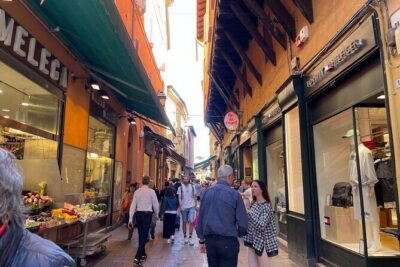
Meeting at Alessandro’s home means you should plan your arrival like you would for a dinner invitation. Allow extra time, especially if you’re walking through parts of Bologna where streets might be narrow or busier than you expect.
Dress for kitchen work—comfortable clothes and shoes you can stand in. Even when the class is polite and organized, making dessert involves hands-on tasks.
If you’re concerned about allergies or special needs, contact ahead. The workshop requires allergy/intolerance information in advance, and they’ll want it before you arrive.
Finally, bring a mindset of learning. You’re not just buying a sweet. You’re learning how texture, ingredients, and timing work together. That makes the experience far more satisfying.
Should you book? My take on the decision
Book it if you want a real skill, not just a snack. The combination of small group instruction, pro technique, and making gelato plus granita and sorbet makes this better than most “try and learn” food activities.
Skip it if your goal is only a short tasting with no focus on technique. This workshop is for people who enjoy the kitchen side of food. If that’s you, you’ll leave with better gelato instincts, a clearer idea of quality, and a freezer-friendly take-home reward.
FAQ
FAQ
How long is the gelato making workshop?
The workshop lasts about 2.5 hours.
Where do I meet the host in Bologna?
You meet the host at his home on Via Antonio Vivaldi, 26.
How much does it cost per person?
The price is $77 per person.
What desserts will I make during the workshop?
You prepare granitas, gelati, and sorbets from raw ingredients.
Is transportation included?
No, transportation is not included.
What group size is this workshop?
It’s a small group limited to 4 participants.
What languages will the instructor speak?
The instructor teaches in English and Italian.
Is the workshop suitable for children?
Children are welcome under adult supervision, but it is not suitable for children under 3 years.
Can I take leftovers home?
Yes. If there are leftovers, you can take them home (they are packed for you).
What is the policy if I need to cancel?
You can cancel up to 24 hours in advance for a full refund.
Do I need to share allergy information beforehand?
Yes. Allergy and intolerance information must be provided in advance.