REVIEW · BOLOGNA
Bologna Food & Wine tour with a local Chef
Book on Viator →Operated by Stay Hungry Stay Bologna · Bookable on Viator
Bologna can turn a simple walk into a serious food lesson. This chef-led tasting route shows you how locals snack and shop, from old markets near Piazza Maggiore to the city’s famous table culture. I especially like the small, focused stops that teach you what to look for, not just what to eat, and how the guide connects each bite to Bologna’s food habits.
The big thing to know is the tour price is for the guide, not a guaranteed full meal. Food and drinks are treated as your own expense, so you’ll want to budget for tastings (and alcohol may be extra).
In This Review
- Quick Take: What Makes This Tour Work
- Start in the Right Place: Piazza Maggiore and Old Bologna Streets
- Price and Value: You’re Buying the Guide, Not a Fully Loaded Meal
- Mortadella in the Meat Market: What to Learn From Bologna’s Most Famous Salumi
- Pizza Stop and Tortellino Lore: Two Quick Detours With Big Cultural Clout
- Parmesan and Pecorino Tastings: How to Tell Them Apart Without Overthinking
- The Oldest Osteria (Since 1465) and Dessert: Where the Atmosphere Does Half the Work
- Fruit and Fish Market Time: Local Shopping Skills You Can Use Later
- Private Tour Tips: How to Keep the Pace Friendly and the Tastings Smooth
- Should You Book This Bologna Chef Food and Wine Tour?
- FAQ
- How long is the Bologna food and wine tour with a local Chef?
- What is the price of the tour?
- Is this tour private?
- Where does the tour start?
- What time does it start?
- What is included in the price?
- Are lunch and alcoholic beverages included?
- Do I get a mobile ticket?
- What’s the cancellation policy?
- Is the tour near public transportation and are service animals allowed?
Quick Take: What Makes This Tour Work
- Chef narration in real places: you’ll move through markets and specialty shops, not just viewpoints.
- Bologna classics, in small tastings: mortadella, parmigiano, pecorino, and gelato show up for a reason.
- Tortellino history stop: you’ll visit the shop linked to where tortellino was invented.
- A stop at the oldest osteria in Italy (since 1465): even if you skip wine, the setting is the point.
- Private and flexible: only your group, with a pace that can adjust as you go.
Start in the Right Place: Piazza Maggiore and Old Bologna Streets
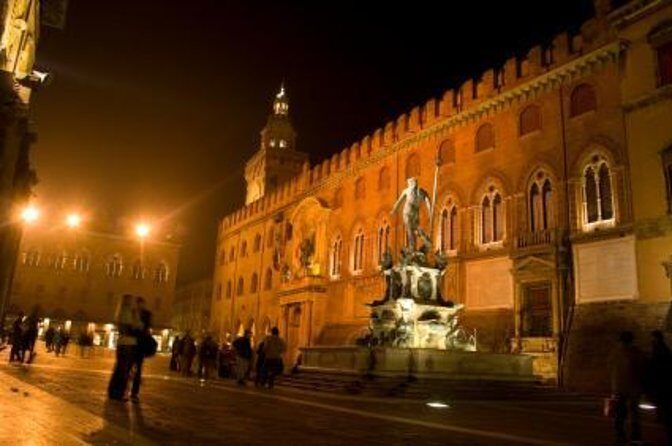
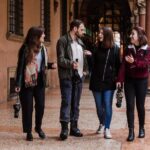
You meet at Piazza Maggiore, then the tour quickly shifts from postcard Bologna to the neighborhoods where people actually eat. That matters. Piazza Maggiore is great for orientation, but the real value comes from getting behind the main square and into the lanes where you find butcher shops, cheese counters, and bakeries doing their daily work.
This is a walking tour, about 1 hour 30 minutes, so don’t expect a slow, museum-style pace. The benefit is that you’ll cover a good chunk of territory without burning the afternoon. It’s the kind of route that helps you get your bearings fast—so later, when you’re wandering on your own, you know which streets to trust and what to order.
Because it’s described as a private experience for just your group, you can also tailor your route slightly to how hungry you are and what you want to prioritize. In a short tour like this, that flexibility is more useful than it sounds. If you want extra time at a cheese counter, or you’d rather linger over gelato, the guide can generally steer the group.
One more practical note: there’s an emphasis on local places that visitors often miss. That means you’ll be relying on the guide for the “where” and “what to ask for.” If you want a tour that acts like a food-smart friend, not just a stamp-collecting guide, this setup fits.
Other local guide experiences in Bologna

Price and Value: You’re Buying the Guide, Not a Fully Loaded Meal
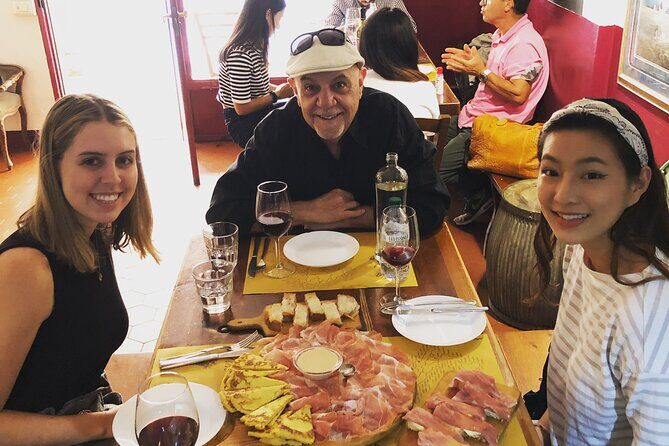
Let’s talk money honestly. The tour is priced at $72.99 per person and runs about 1.5 hours. The included item is a guide. Lunch is not included, and alcoholic beverages are not included.
That doesn’t mean you get nothing to taste. The experience is structured around eating and sampling. But it does mean you should treat tastings as something you’ll purchase as you go. If you arrive expecting everything to be covered—like a big pre-paid meal—you can end up disappointed. The people who feel burned are usually the ones who didn’t notice the difference between a guided tasting walk and a package that includes food.
So how do you judge value? Look at your own travel style:
- If you like learning, then eating what you choose, it can be a strong deal. You’re paying for the route, the explanations, and the access to places you likely wouldn’t find.
- If you prefer a tour where you never open your wallet, this isn’t that kind of product. You’ll probably spend extra during stops.
A plus here: because you’re in charge of what you order, you can make tastings match your tastes and dietary needs—within reason and based on what each shop offers. Bologna has plenty of food variety, and a good guide will point you toward the items most tied to the city’s identity.
Also, this activity is often booked ahead (on average about 64 days). If your dates are fixed, don’t wait until the last week.
Mortadella in the Meat Market: What to Learn From Bologna’s Most Famous Salumi
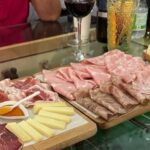
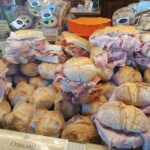
One of the first stops is in the meat market area, where you taste mortadella. Bologna is known as la Grassa, the Fat One, and mortadella is one of the clearest reasons why. It’s not just a sandwich filling here—it’s a statement about technique, sourcing, and tradition.
What I like about this kind of stop is that mortadella isn’t explained in theory. You’re looking at it in the environment where it’s handled every day. The guide can point out how it’s made and what makes a good slice worth paying for—like texture, fat balance, and flavor depth. Even if you’ve tried mortadella before, tasting it in Bologna usually changes your idea of what it should taste like.
This is also a smart early stop because it teaches you a baseline. Once you taste mortadella locally, the rest of the tour makes more sense. You’ll start noticing how Bologna’s flavors build: cured meats, aged cheeses, bread, and then sweets.
Timing matters with a short tour. In places like markets, lines and service speed can vary. If your group shows up late, you’re more likely to lose a stop than to slow down. For the best experience, be early enough to check in without rushing.
Pizza Stop and Tortellino Lore: Two Quick Detours With Big Cultural Clout
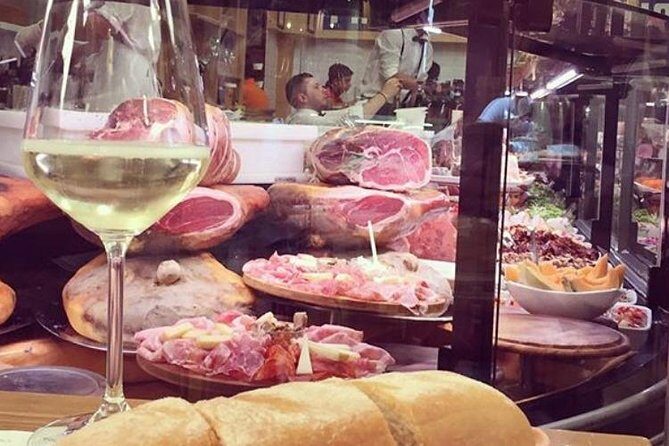
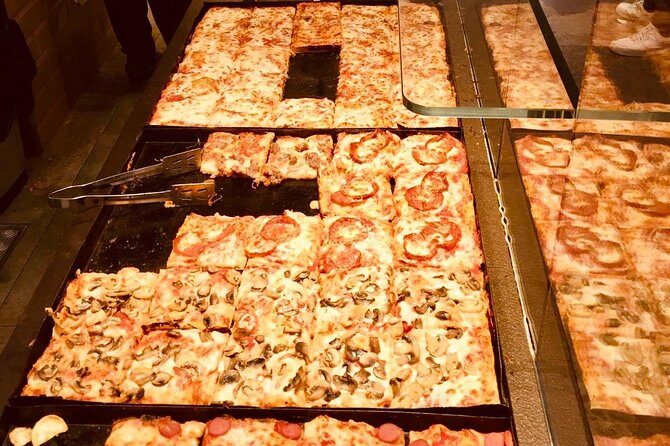
Midway through the walk, you’ll hit a pizza stop. In 90 minutes, this is a quick hit, not a full sit-down meal. The practical value is that you can sample something local without turning your day into an all-day lunch. And since the guide is walking you through the city’s food culture, you’ll know what to ask for and what matters in a Bologna-style bite.
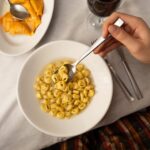
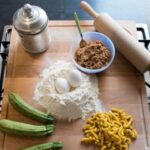
Then comes one of the most interesting parts: a visit to a shop tied to tortellino, the dish Bologna is famous for. The tour description frames it as the place where tortellino was invented. Even if you treat that claim as part story and part tradition, the point is the same: you’ll get context about why tortellino matters here and how it’s different from pasta you may have eaten elsewhere in Italy.
This is where a good guide makes the difference between tasting and learning. You’re not just eating; you’re building a mental map of Bologna’s food identity. Tortellino is a perfect example: it’s specific, local, and tied to regional pride, so it’s hard to fake understanding if the guide is just moving you along with no explanation.
One consideration: because this is a compact walk, stops can feel fast. If you want a leisurely, slow-food evening where each location serves a full course, you’ll probably want a longer format tour. But if you want a concentrated “greatest hits” route with helpful talk, 90 minutes hits the sweet spot.
Parmesan and Pecorino Tastings: How to Tell Them Apart Without Overthinking
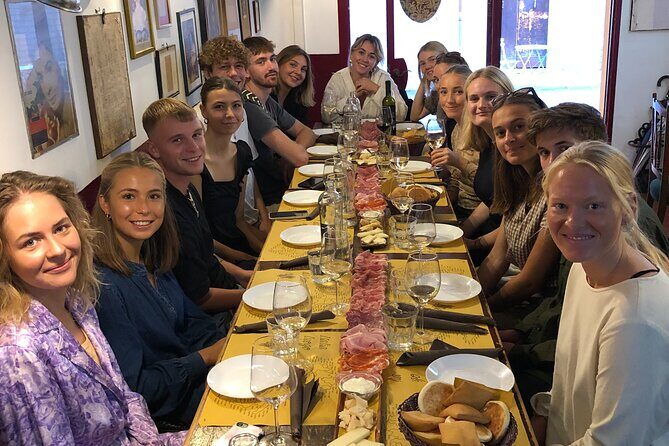
Bologna isn’t only about salumi and pasta. You also get a cheese tasting focusing on parmigiano and pecorino. This is one of those stops that sounds simple, but it can be surprisingly educational because these cheeses behave differently on the palate.
Here’s what to pay attention to during the tasting, so it feels like more than just sampling:
- Texture: aged cheeses vary from crumbly to firmer, and that changes how flavor releases.
- Salt and sweetness balance: parmigiano often reads as richer and rounder, while pecorino can feel sharper or more pronounced.
- Aroma: smell is half the tasting game, especially with aged dairy.
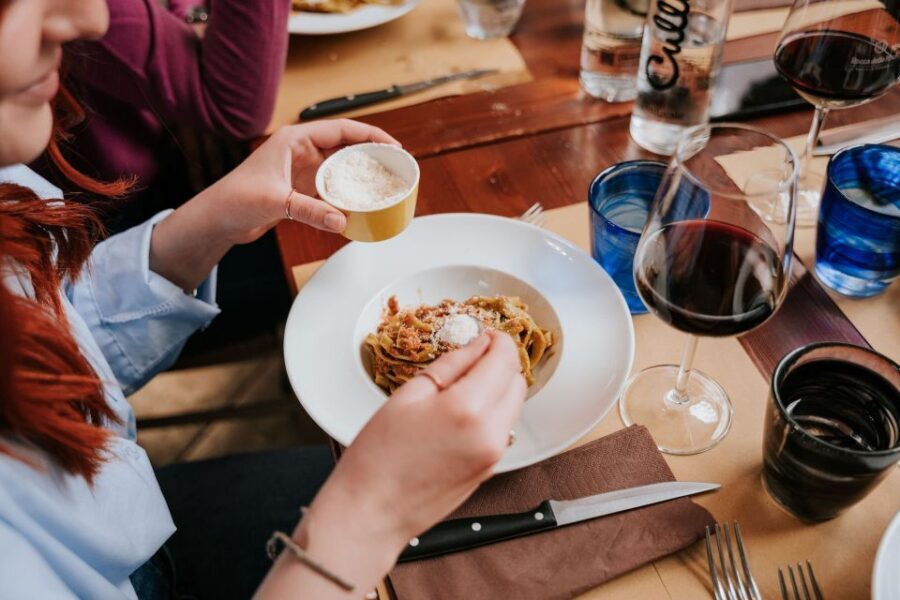
A guided tasting helps because the guide can point out what locals look for. You’ll also learn how these cheeses show up in Bologna cooking, so your future orders in restaurants get easier. When you see parmigiano or pecorino on a menu, you’ll understand the role they play instead of guessing.
If you’re the type who hates “forced” tastings, you can still enjoy this. In a short tour, the tasting amount is usually manageable, and it gives you a practical souvenir: knowledge. Later, you can recreate the flavor experience by choosing the right dishes at the right places.
Other food tours we have reviewed in Bologna

The Oldest Osteria (Since 1465) and Dessert: Where the Atmosphere Does Half the Work
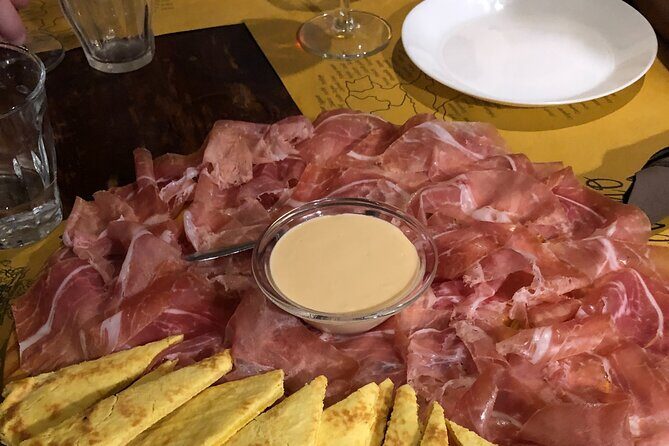
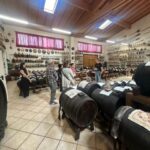
A standout moment is the visit to the oldest osteria in Italy since 1465. Even before you taste anything, the setting is part of the experience. Osterias are where Bologna’s eating culture shows up as real-life behavior: people drop in, chat, eat simply, and treat meals as social rhythm.
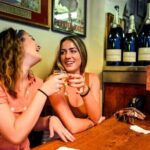
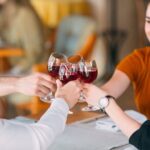
The tour description also mentions a glass of wine at this osteria. But alcoholic beverages are listed as not included, so the safest way to think about it is: if wine is offered during your stop, treat it as something you pay for unless it’s clearly confirmed as part of your tasting. If you want to avoid surprises, ask your guide what’s included in that specific moment when you’re there.
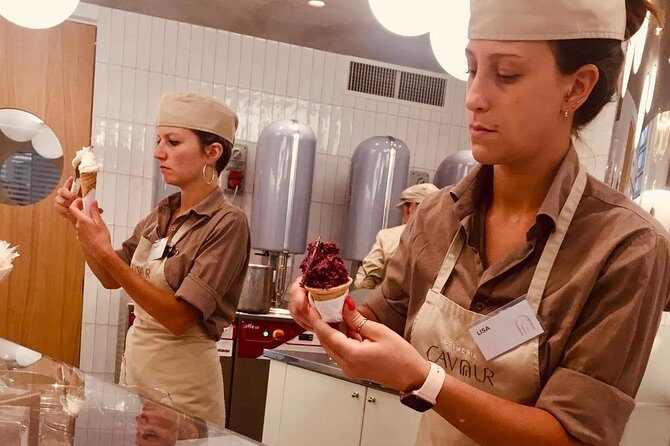
After the osteria stop, the tour moves toward dessert and gelato. This is a good closing strategy. It keeps the tour feeling like a full mini-journey through Bologna’s major categories: cured meats, cheese, pasta culture, then sweetness.
Gelato in particular is a smart ending because it’s easier to enjoy even if you’re not in “food coma” mode. Also, having the guide steer you to a reliable place matters. Bologna’s gelato scene can be excellent, but “best” is easier when someone who knows local standards tells you where to go.
Fruit and Fish Market Time: Local Shopping Skills You Can Use Later
In addition to meat and cheese, you’ll also visit the fruit and fish market. This is one of those stops that doesn’t always get attention in food tours, but it’s useful because it shows you the supply chain.
When you understand what’s being sold at the market, you start recognizing what will show up in seasonal dishes later. It also helps you decode menus. If you see a fish or fruit item you remember from the market, you’ll feel more confident ordering because you know it’s not random—it’s tied to local availability.
Even if you’re not buying anything, watching how vendors present produce and how people shop tells you how locals think about freshness. Bologna isn’t a city where you need to guess wildly. With a little guidance, you can make smart orders fast.
Private Tour Tips: How to Keep the Pace Friendly and the Tastings Smooth
A private 1.5-hour tour is perfect when you want attention, not crowds. But that short time can cut both ways: lateness or indecision can force the guide to tighten the route.
I’d plan the walk like this:
- Arrive a bit early. If you’re late, you risk losing a stop, because the tour still has to fit the schedule.
- Come hungry but not chaotic. You want enough appetite to enjoy mortadella and cheese, and still have space for dessert and gelato.
- Bring payment ready. Since tastings aren’t included like a full meal, you’ll likely buy items at shops.
- Listen for ordering tips. The guide’s value is partly knowing which items are most “Bologna.”
A flexible pace is mentioned, and that’s a real benefit. If your group wants to ask more questions, it generally works better here than on rigid, tick-the-box tours.
Also remember: it’s near public transportation, and service animals are allowed. Most people can participate because it’s a walking tour, not an athletic challenge—but wear comfortable shoes. Cobblestones and tight lanes in central Bologna can punish flip-flops.
Should You Book This Bologna Chef Food and Wine Tour?
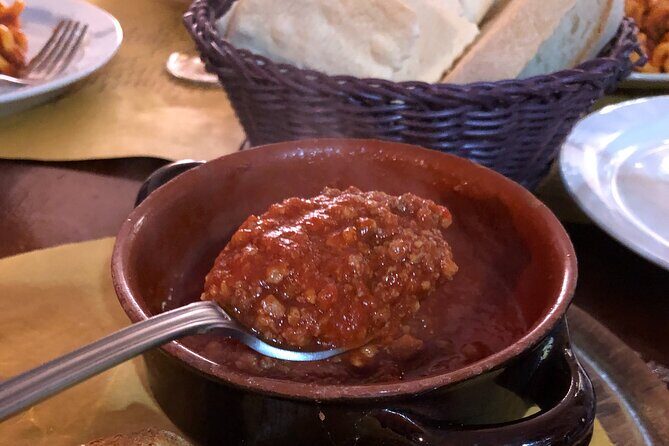
Book it if you want a guided food walk that helps you understand Bologna’s flavors in context. This is especially good for first-time visitors who want a fast intro to what to eat and where to look later. The private format makes it feel easier to ask questions, and the stops cover the city’s key identity items: mortadella, parmigiano, pecorino, tortellino lore, an osteria since 1465, and gelato.
Skip it or choose another option if you’re expecting a tour price that includes a full meal and drinks. Here, the guide is included, while food and alcohol are not. If you want everything covered, you’ll need a different type of experience.
If you book, go in with the right mindset: you’re paying for a smart route, local guidance, and a chance to sample Bologna in places visitors often miss. Do that, and you’ll leave with both tastes and practical confidence for the rest of your trip.
FAQ
How long is the Bologna food and wine tour with a local Chef?
The tour lasts about 1 hour 30 minutes.
What is the price of the tour?
The price is $72.99 per person.
Is this tour private?
Yes. It is a private tour/activity, meaning only your group participates.
Where does the tour start?
The meeting point is Piazza Maggiore, Bologna BO, Italy.
What time does it start?
The tour starts at 1:30 pm.
What is included in the price?
The price includes a guide.
Are lunch and alcoholic beverages included?
No. Lunch and alcoholic beverages are not included.
Do I get a mobile ticket?
Yes, it includes a mobile ticket.
What’s the cancellation policy?
You can cancel for a full refund if you cancel up to 24 hours in advance of the experience start time.
Is the tour near public transportation and are service animals allowed?
It’s near public transportation, and service animals are allowed.