REVIEW · BOLOGNA
Bologna: Pasta and Tiramisu Cooking Class with Wine
Book on GetYourGuide →Operated by The Roman Food Tour · Bookable on GetYourGuide
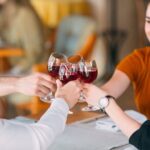
Fresh pasta and tiramisu, with a glass in hand. This Bologna cooking class turns a food stop into a hands-on skill session, starting with tiramisu and moving to fresh pasta dough right in a central restaurant setting. I like that you get a welcome pour of Prosecco as soon as you arrive, then sit down together for lunch or dinner with wine.
The big thing to weigh is food reality: the traditional recipe focuses on gluten, dairy, and eggs, and they can’t guarantee zero cross-contamination. If you have serious allergies or need to avoid gluten or dairy completely, you’ll want to confirm what can be safely handled before you book.
In This Review
- Key Points at a Glance
- Why This Bologna Pasta and Tiramisu Class Fits Most Trips
- Entering the Restaurant Kitchen in Central Bologna
- Tiramisu Workshop: The Dessert That Teaches Timing and Texture
- Fresh Pasta Dough 101: Flour Choices and Shaping Skills
- The Meal Part: Wine With Lunch or Dinner (Yes, It’s Included)
- What You’re Really Paying For: Value Behind the $57 Price
- Dietary Needs and Allergies: What You Can and Can’t Assume
- What to Bring (and What to Wear) So the Class Feels Easy
- Who Should Book This Class in Bologna
- Should You Book the Bologna Pasta and Tiramisu Class?
- FAQ
- How long is the Bologna pasta and tiramisu cooking class?
- What does the price include?
- Is the class taught in English?
- Where does it take place in Bologna?
- Can you accommodate dietary options?
- Is the class suitable for vegans?
- What should I wear or bring?
- Is free cancellation available?
- Can I reserve now and pay later?
Key Points at a Glance
- Prosecco welcome sets the tone fast, before you touch a thing
- Tiramisu first, pasta second keeps the pacing fun and easy
- You learn the dough basics with guidance on flour and shaping
- Pasta fresca vs pasta secca gets explained in plain, useful terms
- Lunch or dinner is included so you’re not just “doing” cooking—you’re eating it
- English-speaking instructor keeps the class smooth if you don’t speak Italian
Why This Bologna Pasta and Tiramisu Class Fits Most Trips
Bologna is perfect for food classes because the city’s whole identity is tied to what’s on the plate. This one runs 3 hours, which is long enough to learn skills you can repeat at home, but short enough that it won’t wreck your sightseeing plans.
You’ll be in an English-taught workshop led by instructors such as Luca, Al, Peter, or Steven, depending on the session. Across the different hosts, the common vibe seems to be clear instructions plus a relaxed mood—so even if you’ve never made pasta before, you won’t feel like you’re missing some secret Italian code.
The other practical win: this class includes a sit-down meal, so it’s not just a ticket for an activity. You’re paying for a full experience—drink on arrival, cooking time, and then lunch or dinner where your work ends up on the table.
Other pasta making classes in Bologna
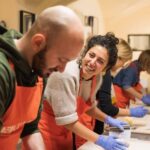
Entering the Restaurant Kitchen in Central Bologna
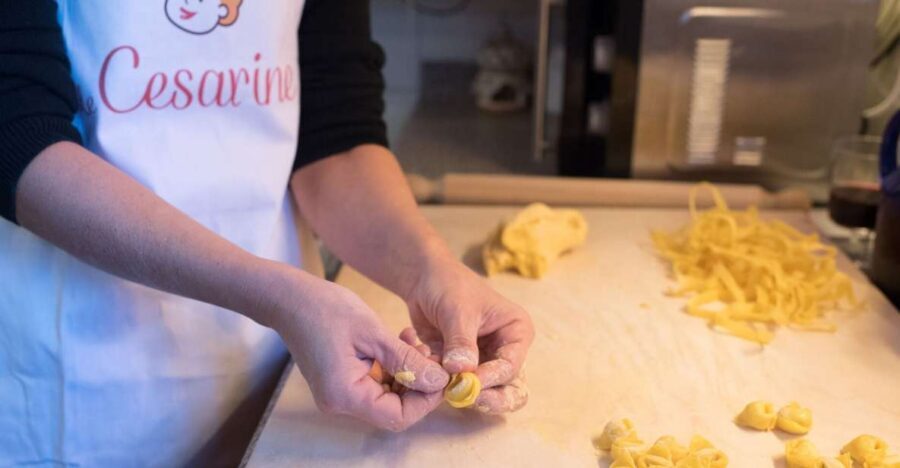
This workshop starts like a real shift in a real Italian restaurant. You arrive in central Bologna, you wash your hands, and you’re given the apron moment—small detail, big signal that you’re off the tourist track and into food mode.
The class is run inside a restaurant setup, not in a bare-bones cooking studio. That matters because it changes the atmosphere: it’s cozier, more “this is how dinner gets made,” and it feels connected to the city instead of staged for one-time photo ops.
Instructors like Luca and Al are repeatedly described as friendly and funny, which might sound like “just personality,” but it’s actually useful. When your teacher’s calm and upbeat, you pick up techniques faster, and you’re more likely to ask the questions that make the difference (texture, timing, dough consistency).
Tiramisu Workshop: The Dessert That Teaches Timing and Texture
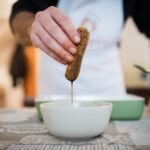
The class begins with tiramisu. That order is smart for two reasons. First, it gives you a win early, because everyone recognizes the dessert. Second, it lets you focus on technique while you’re fresh, before you get into pasta dough work that needs more muscle and attention.
You’ll learn how to make tiramisu step by step, along with the story and methods that make it special. The useful part isn’t just the name-drop. It’s learning the approach behind it—how you handle layers, how you keep the final result balanced, and what to pay attention to so it tastes right when it’s served.
Also, because this is part of a guided class, you’re not left to guess. If you’re the type who freezes at complicated recipes, this structure helps a lot. You’ll follow the flow, get correction when needed, and still end up with something you can actually be proud to eat.
Fresh Pasta Dough 101: Flour Choices and Shaping Skills
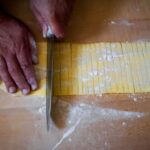
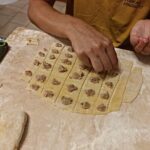
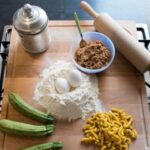
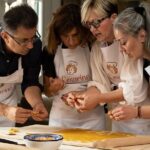
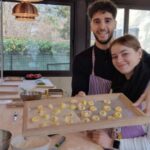
After tiramisu, you move to the part Bologna is famous for: fresh pasta. The focus here is the pasta dough process, with step-by-step guidance as you roll, cut, and shape.
You’ll talk about different types of flour and why flour choice matters. You also learn the difference between pasta fresca and pasta secca. Even if you’ve never heard those terms before, this part becomes practical fast: it explains how fresh pasta behaves compared to dried pasta, and why that changes how you cook and serve it.
Here’s where the “restaurant kitchen” format can affect your experience. In at least some sessions described by past participants, the chef may handle certain cooking steps while you’re seated and enjoying wine. That’s not a dealbreaker—it can mean you spend more time on shaping and less time waiting—but it does explain why you should treat the class as a learn-and-eat experience, not a hands-only workshop where every minute is DIY.
Either way, you’re leaving with a clearer feel for how dough should look and how to work it without panic. That’s the real value. Pasta sounds intimidating, but once you learn the basics, it’s far less mystical than people make it out to be.
The Meal Part: Wine With Lunch or Dinner (Yes, It’s Included)
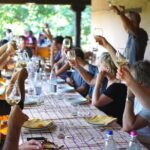
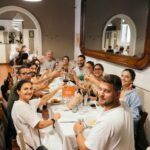
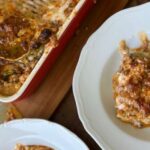
You finish by sitting down together to eat a lunch or dinner that includes what you prepared. That’s a big deal because it closes the loop. You don’t just make food and hope it worked—you taste the result right away, with guidance to steer you toward what “good” tastes like.
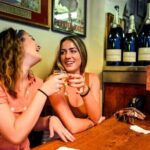
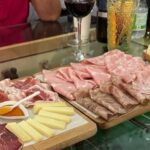
Wine is part of the meal experience here. You get a glass of wine served with lunch or dinner, plus a welcome glass of Prosecco on arrival. If you’re planning this as your main meal, plan to take your time—this is meant to be enjoyed, not rushed.
And since the instruction is in English, you’re more likely to understand what you’re tasting. You can connect the technique to the outcome. That’s how a food class turns into a skill you can repeat.
One practical note: a lot of people show up hungry on purpose. The class includes sampling the dishes you prepare, so you’ll want to go in with an appetite instead of trying to “save room later.”
Other tiramisu cooking classes in Bologna
What You’re Really Paying For: Value Behind the $57 Price
At $57 per person for a 3-hour experience, the value comes from the full package:
- A guided cooking session for both tiramisu and fresh pasta
- A Prosecco welcome
- A glass of wine with your meal
- A sit-down lunch or dinner included
If you were to buy the meal and drinks separately, the class starts to look less like “just a cooking activity” and more like a priced meal plus instruction. You’re also paying for the convenience factor: someone sets up the workflow, teaches the steps, and keeps the group moving without you needing to hunt down ingredients, equipment, and recipes back home.
For travelers who want one memorable Bologna moment that isn’t just another walk-by landmark, this is a solid use of time. It’s also a good rainy-day option, because the whole experience is indoors with a planned flow.
Dietary Needs and Allergies: What You Can and Can’t Assume
This is the section where you should slow down and verify. The class offers options such as vegetarian and other diets, but the important note is that the instructions focus on the traditional recipe, which includes gluten, dairy, and eggs. There’s also a warning that they cannot guarantee 100% free of cross-contamination.
At the same time, the activity states it is not suitable for:
- People with food allergies
- People with gluten intolerance
- People with lactose intolerance
- Vegans
- Children under 3 years (and babies under 1 year)
So what should you do with that info? If you have any allergy risk, treat this as a “confirm first” situation, not a “hope for the best” situation. If you’re gluten-free, lactose-free, or vegan by necessity, this class likely won’t match your needs.
If you’re vegetarian or have milder preferences, you may still want to message the provider before booking and be very specific about what you can’t have. The class can offer substitutions, but the focus stays on the traditional technique.
What to Bring (and What to Wear) So the Class Feels Easy
Keep it simple. Wear comfortable clothes you can move in. Pasta dough can get messy, and you’ll be working at a station, rolling and handling dough.
You’ll be asked to wash your hands and put on an apron as part of the start of the class. Beyond that, you don’t need special gear. The goal is to make sure you’re comfortable enough to focus on learning rather than worrying about your outfit.
Who Should Book This Class in Bologna
This class is a strong fit if you want:
- A food-focused activity in Bologna that teaches real technique
- An indoor plan that still feels lively and social
- An experience in English with a guided pace
- A full meal included with drinks
It also tends to work well for couples and solo travelers because you eat together and spend time in conversation. The tone described by multiple hosts (including Luca, Al, Peter, and Steven) leans toward relaxed and welcoming, not stiff or intimidating.
If you’re traveling with kids, note the age limits. The class is not suitable for children under 3, and babies under 1 aren’t included. For families with older kids who can handle a cooking activity, you might find it enjoyable, but stick to the stated age guidance.
Should You Book the Bologna Pasta and Tiramisu Class?
I’d book it if you’re craving one hands-on Bologna experience that ends with a proper meal and a couple of drinks. The combination of tiramisu + fresh pasta dough in one session is a practical way to learn two classic Italian skills without losing half your day.
Skip (or at least confirm heavily) if you have serious dietary restrictions, food allergies, or need strict gluten/dairy avoidance. The traditional recipe focus and cross-contamination note are deal-breakers for many people, even when substitutions are offered.
If your dietary needs are straightforward and you’re okay with the traditional approach, this is a fun, structured, and very “Bologna” way to spend a few hours.
FAQ
How long is the Bologna pasta and tiramisu cooking class?
It lasts 3 hours.
What does the price include?
You get a welcome glass of Prosecco, a pasta and tiramisu cooking class, lunch or dinner, and a glass of wine with your meal.
Is the class taught in English?
Yes. The instructor provides instruction in English.
Where does it take place in Bologna?
It’s in central Bologna at a popular restaurant.
Can you accommodate dietary options?
The activity says dietary options are available, including vegetarian and other diets, but the class instructions focus on the traditional recipe that contains gluten, dairy, and eggs. Substitutions may be offered, but they cannot guarantee 100% cross-contamination. You should inform them of your needs when booking.
Is the class suitable for vegans?
No. It lists vegans as not suitable.
What should I wear or bring?
Bring comfortable clothes. You’ll also be asked to wash your hands and put on an apron.
Is free cancellation available?
Yes. You can cancel up to 24 hours in advance for a full refund.
Can I reserve now and pay later?
Yes. It offers reserve now & pay later, so you can book without paying immediately.