REVIEW · BOLOGNA
Pastamama, Home Cooking Classes at Grace’s Home
Book on Viator →Operated by Pastamama Bologna · Bookable on Viator
Fresh pasta in a real Bologna home.
What makes Pastamama stand out is the combo of food-culture context at Mercato di Mezzo and then rolling up your sleeves at Grace’s home cooking class, where you make Bologna specialties from scratch and eat them for lunch with wine and dessert. With small-group energy, an English-speaking host, and a meal built around what you cook, it feels less like a demo and more like a morning that turns into lunch.
I love the hands-on pasta work: you learn the feel and the steps for fresh dough, then you shape two classic forms, including tortelloni plus tagliatelle. I also love that Maria Grazia shares what matters in Bolognese cooking, mixing technique with stories you can use when you try this back home.
One consideration: this experience is not gluten-free, so plan accordingly if you need to avoid wheat.
In This Review
- Key highlights at a glance
- Why this Bologna pasta class feels different from a restaurant meal
- Mercato di Mezzo stop: where Bologna food culture starts
- Grace’s home kitchen: hands-on pasta lessons that actually teach technique
- The pasta: tagliatelle and tortelloni, Bologna style
- Tagliatelle with ragu
- Tortelloni Bolognese (and tortelli variations)
- Sauces, fillings, and what to taste for
- Lunch with your pasta: wine and dessert matter more than you think
- Small group size (up to 5) and why it changes everything
- Vegetarian menu and the gluten-free reality
- Where the experience meets you (and how to get there without stress)
- Price and value: what $114.88 really covers
- Weather and timing: plan for a morning that can shift
- Who should book this Bologna pasta class?
- Should you book Pastamama at Grace’s Home?
- FAQ
- FAQ
- How long is the Pastamama home cooking class in Bologna?
- What pasta and sauces will I learn to make?
- Is lunch included?
- Is there a vegetarian menu?
- Where do I meet for the experience?
- Can I get a full refund if I cancel?
Key highlights at a glance
- Mercato di Mezzo context: a walk-and-talk start tied to Bologna’s market food traditions
- Two pasta types: tagliatelle and tortelloni (and similar tortelli shapes, depending on the day)
- Fresh sauces from scratch: you’ll make more than one sauce to go with your pasta
- Lunch plus wine and dessert: you sit down to a meal built from what you just made
- Maximum 5 travelers: small group size that makes questions and hands-on guidance easier
- English instruction: lessons are offered in English
Why this Bologna pasta class feels different from a restaurant meal
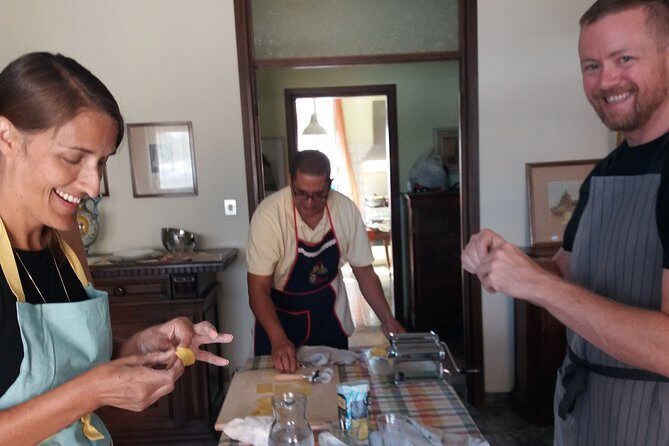
Bologna has a way of making food feel practical, not precious. This class matches that vibe. You start with a market-area stop tied to the city’s culinary life, then you move to a home kitchen where the host teaches by doing. You’re not just watching someone else cook; you’re building dough, shaping pasta, and learning how the finished result should look and feel.
The best part is that the class doesn’t end when the lesson ends. You eat what you make—plus wine and dessert—so the meal is part of the learning, not an add-on. And because it’s limited to a small group (up to five), you’re more likely to get real feedback on your dough and shapes.
The experience also has a clear Bologna focus. You’ll cook specialties that belong to this region, not generic Italian pasta. That’s what makes it feel like you’re learning a local skill, not copying a souvenir recipe.
Other traditional Bolognese cooking classes in Bologna
Mercato di Mezzo stop: where Bologna food culture starts
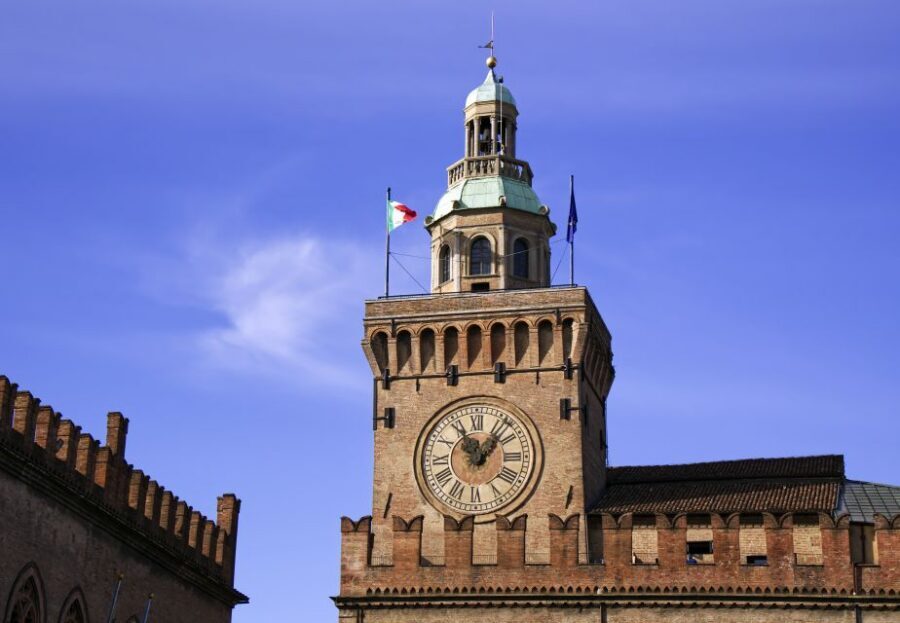
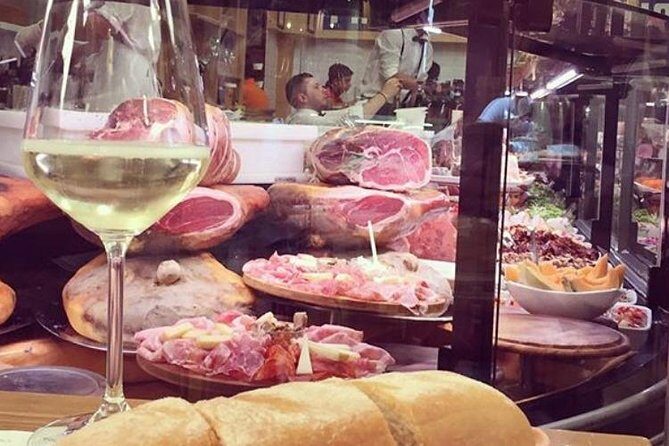
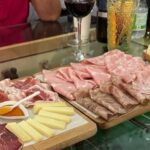
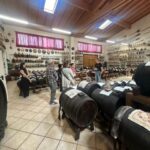
Your experience includes a stop at Mercato di Mezzo, one of Bologna’s most representative food spots and located only a short distance from Piazza Maggiore. This market area has been a meeting place and a trading hub for centuries, tied to Bologna’s flavors and daily life.
What you’ll get from this stop is perspective. You’ll understand why Bologna’s food culture revolves around sauces, ingredients, and tradition—not just pasta shapes. In practice, it helps you connect the ingredients you’ll later turn into ragu or stuffed pasta fillings with the city that produced them.
This stop can also help you get oriented. If it’s your first visit to central Bologna, you’ll see how the market area fits into the historic core. It’s an easy win for first-day jitters, because it gives you a simple story to follow: Bologna eats here, discusses here, and learns to cook here.
A small tip: if you’re arriving from outside the center, plan extra time to get into the downtown flow before the market moment. Getting your timing right makes the rest of the day feel calm.
Grace’s home kitchen: hands-on pasta lessons that actually teach technique
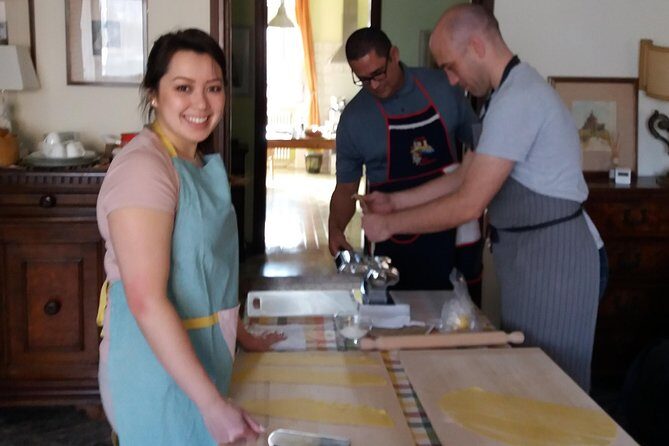
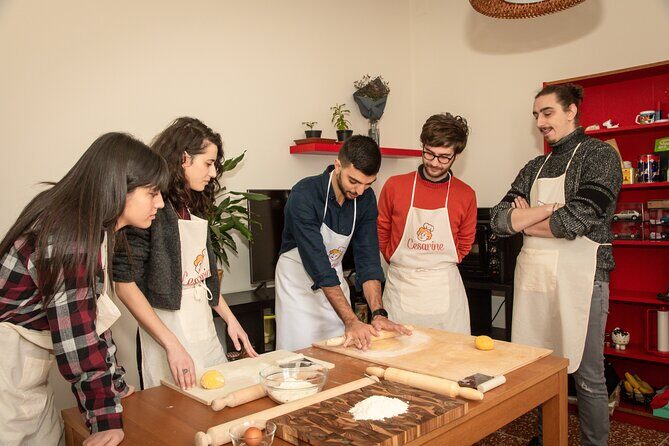
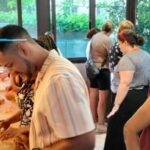
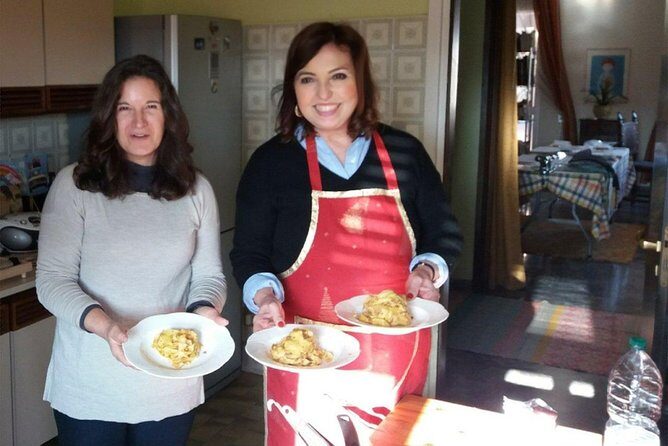
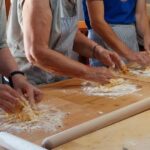
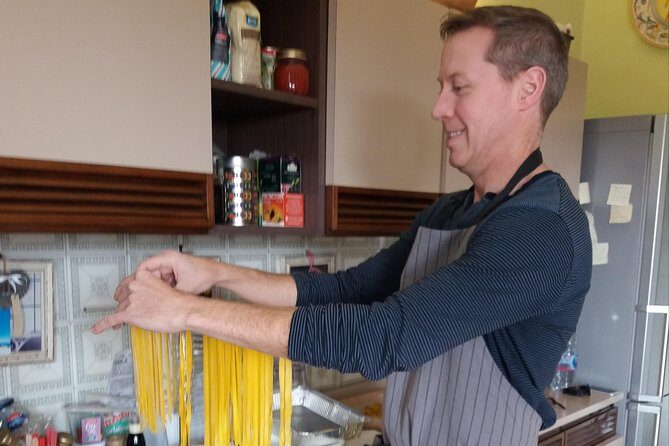
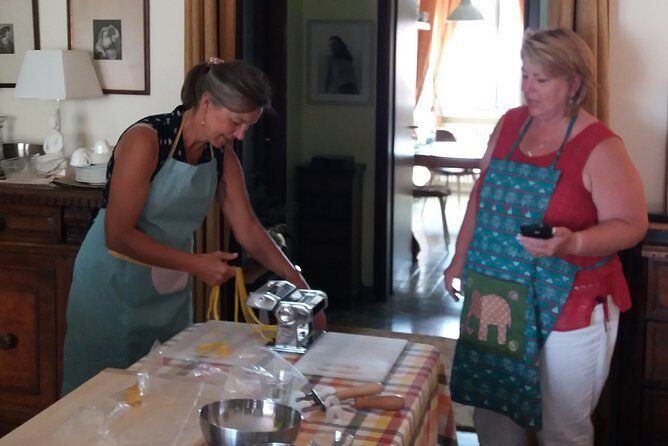
Once you’re in the cooking space, the class shifts from context to skill-building. Maria Grazia (often referred to as Grace in the booking experience) teaches fresh pasta in a way that’s friendly and very hands-on. The repeated theme from people who do this class is that the small group keeps things personal, and the pace makes it easier to ask questions when something doesn’t feel right.
Here’s what you can expect to make in the class:
- Fresh tagliatelle, paired with ragu (the classic Bolognese direction)
- Tortelloni (and similar tortelli shapes), with a Bologna-style filling
- Two sauces from scratch, so you taste different sides of Bolognese cooking
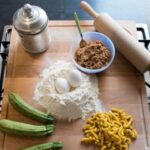
In the classroom, you’re learning the “feel” of dough—how to roll it out, work with it without tearing, and shape it so it holds up when cooked. That touch-and-feedback part matters. Dry, overworked dough is one of the easiest ways to ruin a homemade pasta day, and a host who can correct your technique saves you from frustration.
You’ll also notice something important: the class is designed so you finish with confidence. People frequently say they leave knowing how to repeat the process. That doesn’t mean it will be instant at home, but it does mean you’re learning actual steps, not just collecting tips.
The pasta: tagliatelle and tortelloni, Bologna style
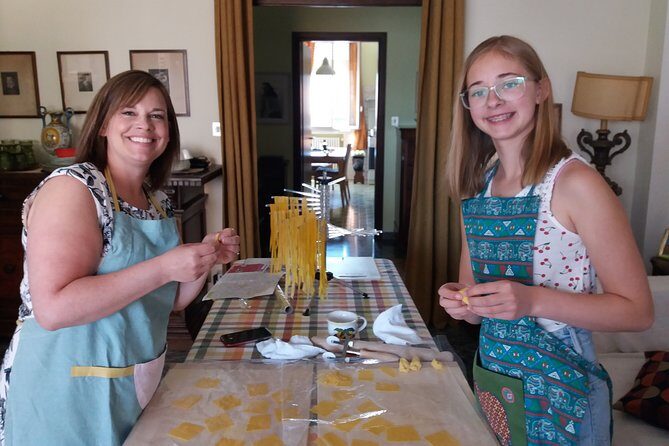
Bologna’s reputation in pasta isn’t just about one shape. It’s about what goes inside and what sits on top.
Tagliatelle with ragu
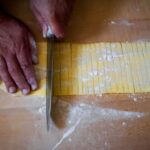
Tagliatelle is long, flat ribbon pasta that’s made for sauce. In a Bolognese-style class, the point isn’t only to cut or roll sheets; it’s to learn how the dough behaves so the final tagliatelle cooks tender and eats well with ragu. When your pasta has the right texture, you can actually taste the sauce rather than fighting the noodles.
Other cooking classes in Bologna
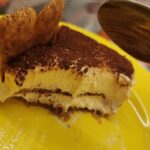
Tortelloni Bolognese (and tortelli variations)
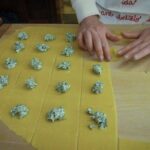
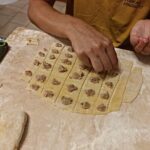
Your other major pasta is tortelloni, stuffed pasta typical of the Bologna area. The class uses a seasonal, tailored menu, so fillings and the final form can vary slightly by day, but the goal stays the same: learn how to fill, fold, and finish stuffed pasta.
If you’ve ever thought stuffed pasta looks too hard, this class is built for that fear. The small group setup and patient teaching style make it more doable than you’d expect.
Sauces, fillings, and what to taste for
Sauces are where Bologna shows its personality. Even when you’re making more than one pasta, the experience makes sure you build flavor through sauces rather than relying on bottled shortcuts.
You’ll make two types of sauces. Depending on the day, you might encounter classic directions like Bolognese ragu, plus variations that add a different texture or flavor profile (for example, a butter-and-herb style sauce is mentioned by people who attended). That variety is useful because you learn how sauces behave differently on stuffed versus ribbon pasta.
When you eat, don’t rush to just taste for salt. Instead, pay attention to:
- how thick the sauce is and how it clings to pasta
- how the filling tastes against the pasta dough
- whether the sauce feels balanced after it cools slightly in your bowl
This is the kind of tasting that turns a cooking class into usable culinary memory.
Lunch with your pasta: wine and dessert matter more than you think
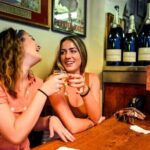
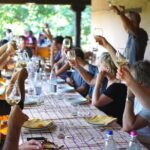
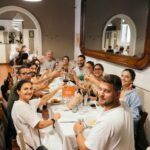
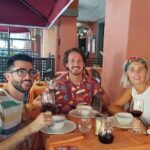
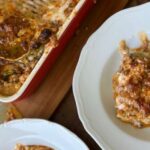
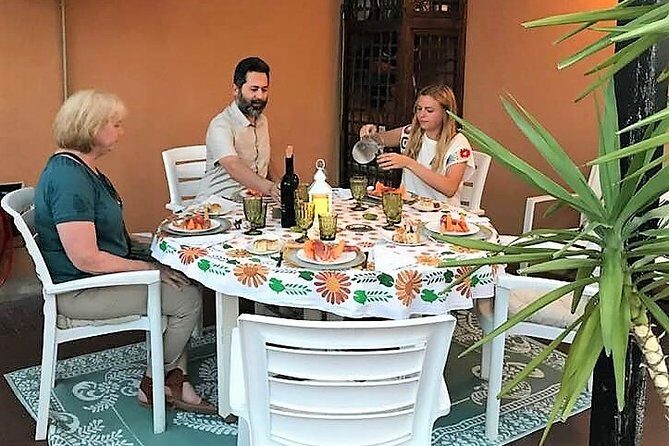
After shaping your pasta and finishing your sauces, you sit down to lunch featuring your dishes. The class includes lunch, and highlights say the meal comes with wine and dessert.
This matters for value. A cooking class without the meal is often more like a workshop. Here, the lunch locks in what you made. You get a chance to judge your work immediately, while the process is still fresh in your mind.
Also, wine and dessert aren’t just a nice perk. They help you enjoy the full rhythm of a Bologna-style eating moment. In the city, a meal is part of the day’s social fabric. This class mirrors that with the added benefit that you’re the one who made the food.
One more practical note: because you’ll eat what you cook, you’ll want to arrive with an appetite and a willingness to slow down. This is not a “see the food and leave” kind of activity.
Small group size (up to 5) and why it changes everything
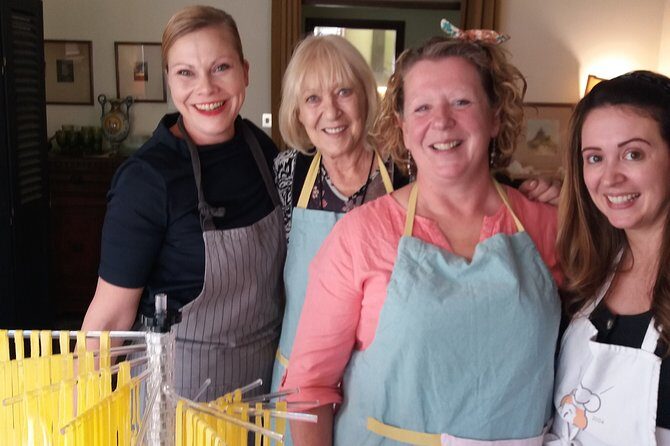
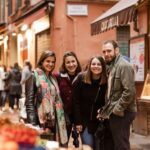
A maximum of five travelers might sound like marketing language, but it’s a big deal in a pasta class. When you have more people, the host can only correct so much in so little time. In a tiny group, you’re more likely to get hands-on help—especially with the parts that people typically struggle with: dough texture, rolling thickness, and stuffed-pasta shaping.
You’ll also spend more time talking with Maria Grazia. Many participants highlight that the conversation is warm and personal, with stories about family and growing up in the area. That doesn’t replace instruction; it makes instruction easier to absorb. You learn because you care about the why.
If you want something social but not chaotic, this size is a good match.
Vegetarian menu and the gluten-free reality
If you’re vegetarian, there’s a straightforward path: you can ask for the vegetarian menu. That’s a comfort for planning, because you’re not expected to guess whether you’ll be able to adapt during the day.
For gluten-free needs, the answer is simple: this class is not gluten-free. That means no swapping flours and hoping for the best. If wheat or gluten is a deal-breaker for you, you’ll need to choose a different food experience.
So the best strategy is to book with clarity: vegetarian is supported through request; gluten-free is not.
Where the experience meets you (and how to get there without stress)
The start location is listed as Via Mazzini, 125, 40137 Bologna and the activity ends back at the same meeting point. The schedule is mornings, with hours shown from 10:00 AM to 1:00 PM, and the duration is about three hours.
It’s also described as near public transportation, which is helpful. In real life, Bologna taxis and short-notice rides can sometimes be unreliable, so I’d rather you count on public transit than last-minute plans. One person noted that trying to rely on taxi service didn’t work out and they arrived late enough to miss too much, so take that as your warning: build a little buffer time, especially if you’re starting with a market-area walk.
If you’re staying in the center around Piazza Maggiore, the market stop makes it easy to connect your class to your sightseeing day. If you’re farther out, take a moment to map your route and aim to arrive early.
Price and value: what $114.88 really covers
The price is $114.88 per person for about three hours, and it includes:
- lunch
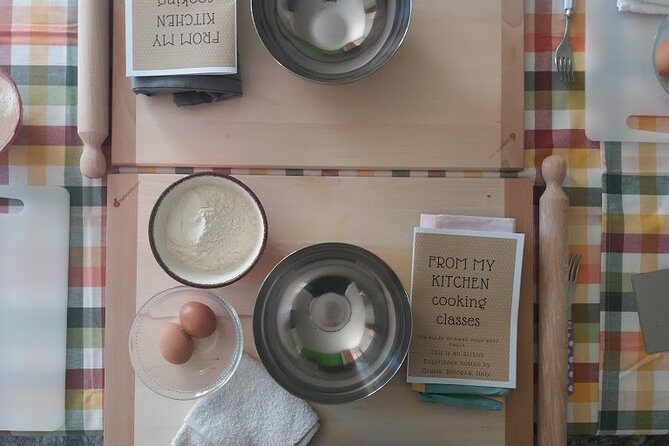
- use of cooking class equipment
On top of that, the experience includes wine and dessert with the meal (per the class highlights), small-group instruction, and English-speaking teaching. In other words, you’re paying for a full package: instruction, ingredients-to-outcome labor, plus an actual sit-down lunch rather than a snack.
Compared with paying for dinner alone, the value comes from the skill you take home. You’re not just eating pasta; you’re learning how to make tagliatelle and tortelloni, plus sauces, in a way you can repeat.
If you enjoy cooking, this is a higher-value use of your Bologna time than another generic food tour. If you’re not interested in touching dough or shaping pasta, the price might feel steep for you. But if you like hands-on learning and you want a meal that’s tied directly to the work you did, it’s a fair deal.
Weather and timing: plan for a morning that can shift
The experience requires good weather. If it’s canceled due to poor conditions, you’ll be offered a different date or a full refund.
That means you should avoid stacking this class right after an inflexible plan. Bologna mornings can be lovely, but a rain-soaked market-area start can force changes. Give yourself breathing room so the class doesn’t turn into a scramble.
Also, book early if you can. On average, this is booked about 49 days in advance, which suggests it’s popular and the calendar fills up.
Who should book this Bologna pasta class?
This is a great fit if you want:
- a small, friendly class instead of a big-group performance
- to learn how to make fresh pasta with sauce-based learning
- a Bologna-focused food experience that connects the market world to the home kitchen
- an English-speaking host and a menu that includes wine and dessert
It may not be your best choice if you need a gluten-free meal, or if you prefer cooking classes where you mostly watch rather than work with dough.
Families can also do well here, especially with hosts who can guide children through safe, simple steps. (The class is small, so guidance is easier.)
Should you book Pastamama at Grace’s Home?
If you’re deciding between a casual pasta dinner and a hands-on Bologna class, I’d steer you toward Pastamama. The combination of market context, two classic pasta types, and lunch you eat right after cooking makes it more memorable than a one-and-done meal.
Book it if you:
- want a skill you can repeat later
- like small-group attention
- are happy with vegetarian options through request
- can plan transport and arrive a little early
Skip or rethink it if you need gluten-free accommodations, or if you’re the type who panics when plans depend on good morning weather.
FAQ
FAQ
How long is the Pastamama home cooking class in Bologna?
It’s about 3 hours.
What pasta and sauces will I learn to make?
You’ll prepare fresh tagliatelle and tortelloni, plus two types of sauces from scratch.
Is lunch included?
Yes. Lunch is included, and it’s based on the dishes you make, with wine and dessert included in the class highlights.
Is there a vegetarian menu?
Yes. You can ask for the vegetarian menu. The class is not gluten-free.
Where do I meet for the experience?
The meeting point is Via Mazzini, 125, 40137 Bologna BO, Italy, and the activity ends back at the same meeting point.
Can I get a full refund if I cancel?
Yes. You can cancel up to 24 hours in advance for a full refund.