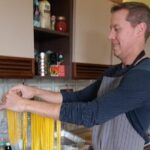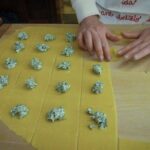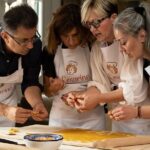
Fresh pasta starts at a family table. This Bologna class with Irene and Marco feels like you’re stepping into a family-run kitchen, learning three pasta shapes by hand, then sitting down to eat what you make with wine and a sweet finish. One thing to watch: pickup timing and meeting-point clarity can be a little inconsistent, so build in a buffer.
You get a hands-on lesson for about 2 hours 30 minutes, and the teaching is offered in English. Lunch is included, so you’re not just watching technique happen. You’re doing it, then tasting it right away.
It’s capped at 40 people, and the home setup keeps the vibe friendly and question-friendly. Bring your phone for the mobile ticket, and arrive a bit early so you can settle in before flour starts flying.
In This Review
- Key highlights you’ll care about
- Entering Irene and Marco’s Bologna Home Kitchen
- How the class works: three pastas in about 2.5 hours
- Making dough and shaping tortelloni, ravioli, and tagliatelle
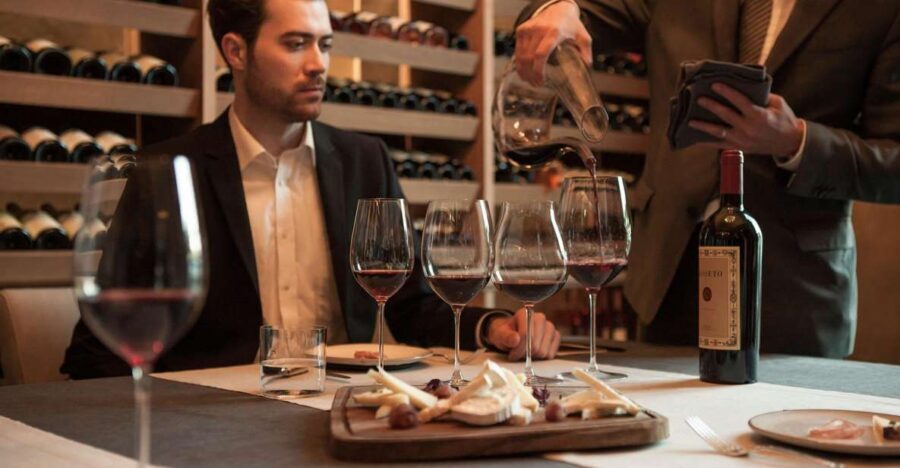
- The meal: wine, sauces, and a sweet surprise
- Where the flavors come from: local sourcing and Food Valley producers
- Price and value: what $102.58 buys you
- Group size, language, and food allergy realities
- Practical tips so you enjoy the whole 2.5 hours
- Possible downsides and how to avoid them
- Should you book this Bologna pasta making class?
- FAQ
- FAQ
- How long is the pasta making experience?
- What pasta will I make?
- Is lunch included?
- Is wine included?
- Do I need to worry about pickup?
- Where does it start and end?
- Is the class taught in English?
- Can I cancel and get a full refund?
- Is there a limit on group size?
Key highlights you’ll care about
- A family home, not a studio: Expect a real kitchen atmosphere with warm instruction.
- Three pasta shapes in one sitting: Typically tortelloni/tortellini-style, plus another two shapes depending on the season.
- You eat what you make: Lunch comes with sauces and wine, then dessert.
- English instruction: Irene’s English is strong and clear.
- Small-group energy: The cap is 40, and some sessions run very small (one recent group was 8 people).
- Ingredient sourcing that leans local: Local market producers for cheese, fruit, and more.
Entering Irene and Marco’s Bologna Home Kitchen
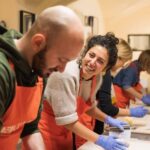
Bologna pasta is not about shortcuts. It’s about rhythm: mix, rest, roll, shape, cook, eat. This class gives you that full cycle in a family setting, with Irene and Marco welcoming you into their real bolognese atmosphere.
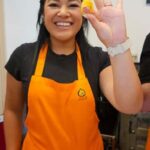
What I like most is the warm hospitality. Irene’s teaching style comes through as patient and encouraging, and you can see how much the method matters to the family. The second big win is that you’re not treated like an observer. You’re learning, then eating the result at the same table.
The only real caveat I’d flag is logistics. The meeting point is clear on paper, but pickup can change in practice, which can lead to extra waiting if you arrive right on time. If you’re sensitive to schedule slip-ups, plan a little extra breathing room.
Other pasta making classes in Bologna
How the class works: three pastas in about 2.5 hours
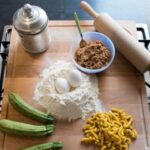
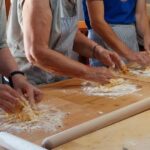
The session runs about 2 hours 30 minutes, which is long enough to learn something real but not so long that you burn out. You’ll start with dough-making, then move into shaping. Expect to use a roller pin plus special pasta tools for the different forms.
The format is built around one key idea: you make three different pasta shapes from the same overall approach. That means you don’t just master one trick. You learn how the dough should feel, how to portion, and how to shape so it cooks properly.
Here’s what you might make, based on season and what’s been taught: tortelloni (often called tortellini in practice), ravioli, and tagliatelle are common options. In one session, the three shapes included tortellini, tagliatelle, and farfalle. The takeaway for you is simple: you’ll leave knowing how to create multiple classic styles, not just one.
And yes, there’s a family-side element to it. Irene talks about Italian cooking as a set of values—patience, care, and doing things by hand—so it doesn’t feel like a gimmick. It feels like you learned a local skill.
Making dough and shaping tortelloni, ravioli, and tagliatelle
If you’ve only had pasta from a package, this part is where your brain changes. Fresh dough behaves differently. It needs the right texture before you roll it thin, and shaping works better when you treat the dough gently.
You’ll be guided step by step through the technique, from rolling to cutting and forming. Irene and Marco’s instruction style matters here. People with very little cooking background still find they can follow along, because the pacing is supportive rather than rushed.
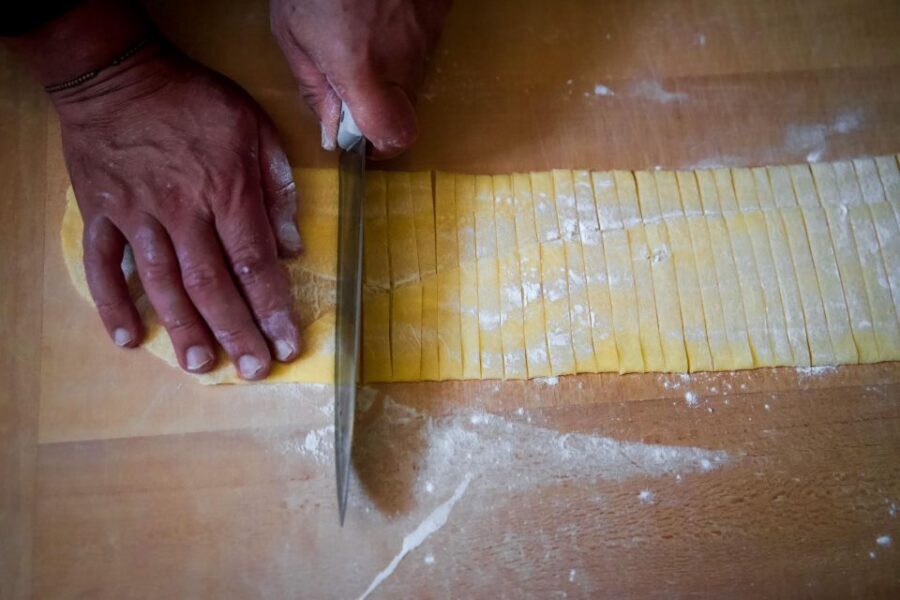
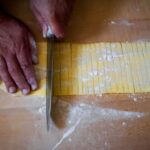
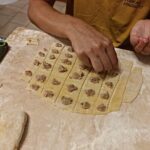
The shaping steps are where Bologna identity shows. Tortelloni/tortellini are labor-intensive for a reason: the folds create the little pockets that hold sauce. Ravioli teaches you how to seal properly so the filling doesn’t escape. Tagliatelle (and sometimes farfalle) is all about consistency—rolling and cutting so the ribbons cook evenly.
You also get a chance to understand why hand-made pasta tastes different. It’s not only flavor. It’s how the sauce clings to the surface and how the pasta holds up after cooking. When you taste what you make, you’ll notice the difference right away.
The meal: wine, sauces, and a sweet surprise
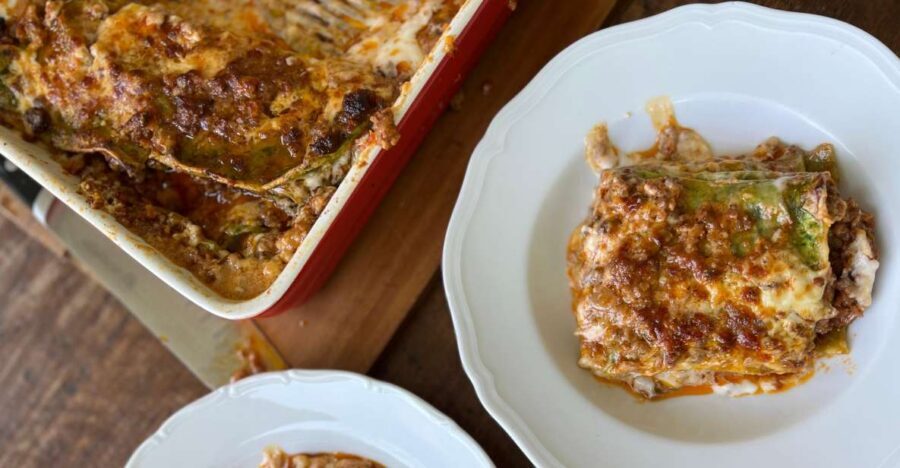
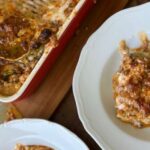
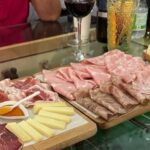
After the pasta making, lunch is where the experience pays off. The meal includes what you made, plus wine and special sauces, followed by a dessert sweet ending.
This is one of those details that sounds routine until you do it. Eating at the end keeps your motivation high during the work. It also lets you compare each shape fairly—how sauce grabs at tortelloni versus how ribbons handle thicker or smoother sauces.
Dessert is part of the tradition here too. The sweet ending can be home made or tied to Marco’s creations, and it’s described as an expected finale for both lunches and dinners. In other words: you don’t leave with just a pat on the back. You leave with a full meal and a reason to stay in a good mood.
One practical note: one family felt the food quantity was smaller than expected for the price. The host’s explanation makes sense. When the class includes children, portions of the dough may be smaller because kids often play with the dough texture like it’s modeling clay. In adult-only sessions, there’s generally more portion flexibility. Either way, plan to be fed, but don’t assume you’ll be able to pack in extra sides beyond what’s served.
Where the flavors come from: local sourcing and Food Valley producers
A good Bologna class isn’t only about technique. It’s also about ingredients that taste like they belong in the region. This experience leans into that.
When questions come up about ingredient quality, the hosts point to sourcing like this:
- Ricotta and parmesan from local producers
- Parsley and fruit from direct local producers
- Mortadella from Alcisa, described as a well-known local company
- Eggs and flour from a distributor that also supplies restaurants and hotels
- Wine described as Sangiovese from producers in the Dozza and Imola areas
That matters for you because it affects the whole meal experience. Great dough plus average filling and sauce can still disappoint. But when ingredients are region-forward, the flavors make sense together. You taste Bologna as a system, not as a list of dishes.
It also helps with the deeper goal of taking a class like this. You’re not only learning to make pasta today. You’re learning what “good” looks and tastes like in Bologna, which makes it easier to cook well later at home.
Other tagliatelle and ragu experiences in Bologna
Price and value: what $102.58 buys you
At around $102.58 per person, this isn’t a bargain-basement food lesson. But it’s also not priced like a fancy restaurant tasting menu.
What you’re really paying for is the full package:
- real instruction in hand-made pasta shaping
- a meal that includes what you made, plus sauces and wine
- a dessert sweet ending
- and a host who runs the class from a family home
The value question is mostly about expectations. If you want a quick novelty activity with lots of food, you might leave wishing for more. If you want a genuine skill-building session where the meal is part of the lesson, the price lines up better.
Also, the duration helps value too. Two and a half hours is long enough to feel like you accomplished something—not just watched flour happen.
If you’re traveling with a group, the cost can feel easier to justify because you’re getting the social factor too: you’ll usually meet other people in the class and sit together afterward.
Group size, language, and food allergy realities
The class maximum is 40 travelers, but the home setting tends to keep things on the personable side. One group described being only 8 people, which usually means more time with the instructor and more attention during shaping.
Language is another strong point. The class is offered in English, and Irene’s communication is consistently described as clear and supportive. That matters if you’re nervous about hands-on cooking. When you understand what to do next, you relax.
Food needs can also be handled. One participant with gluten intolerance reported making gluten-free pasta along with the group. That’s a great sign, but you should still treat it as a request you make during booking, not as an automatic guarantee.
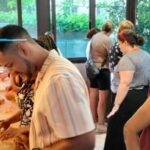
If you’re coming as a single person, this type of class can feel friendly rather than awkward. The setup encourages conversation while you work and after you sit down to eat.
Practical tips so you enjoy the whole 2.5 hours
Here’s how to set yourself up for a smooth pasta-making session.
First, don’t arrive starving, but also don’t assume you’ll be stuffed from the minute you sit down. The meal is substantial for the experience format, yet portions may be designed to let you try multiple pastas and still finish dessert. Go in hungry enough to enjoy, not so hungry that you feel disappointed if it’s not a buffet.
Second, wear something you don’t mind getting a little flour on. Bologna cooks by hand, and flour is part of the visual joke of the day.
Third, arrive a bit early for settling in. This isn’t a big hotel ballroom with a front desk. It’s a home experience, so you want time to find the entrance, get oriented, and get started without rushing.
Finally, if you’re serious about taking something home, watch how the dough feels. People often focus on the final shape, but the texture lesson is what makes it repeatable.
Possible downsides and how to avoid them
No experience is perfect, and a few real-world considerations show up in the details.
Pickup and timing can be the main risk. One person experienced a pickup change after waiting near the designated address, with pickup moving to another location. It wasn’t a total disaster, but it did create extra waiting time. You can avoid most of this by building buffer time and confirming pickup timing close to start.
Quantity expectations are the second potential issue. One family felt the food portion was light for the price, but the host explained why that can happen in family settings with children. Their point is practical: children may play with dough more, which changes what can be made and portioned. If you’re coming as an adult-only group, you’ll likely feel better about how the meal flows across three pasta courses.
Ingredient quality skepticism is the third topic that comes up. One negative comment questioned quality and portions. The host’s response strongly emphasizes local sourcing and specific producers (including Alcisa for mortadella and Sangiovese from Dozza and Imola). If you care about provenance, this is the kind of detail that’s reassuring.
Should you book this Bologna pasta making class?
Book it if you want a hands-on Bologna pasta making class that teaches you more than one shape, and you want to eat lunch in the same family setting where you learned. This is especially worth it if you like cooking with guidance and you enjoy tasting what you make while it’s still fresh in your hands.
Skip it or reconsider if you’re very schedule-sensitive and hate the idea of pickup changes, or if your priority is maximum quantity over technique. With a home cooking format, the pace and portions are designed around the lesson, not around a buffet-style meal.
If your goal is to come away knowing how tortelloni/tortellini-style filling pastas work, how ravioli sealing should feel, and how tagliatelle ribbons should cut and cook, then you’ll likely feel like this was time well spent.
FAQ
FAQ
How long is the pasta making experience?
It runs for about 2 hours 30 minutes.
What pasta will I make?
You’ll make three different pasta shapes. Depending on the season, common options include tortelloni, ravioli, and tagliatelle.
Is lunch included?
Yes. Lunch is included.
Is wine included?
The class description and meal details include wine with lunch.
Do I need to worry about pickup?
Transfer service is available for an extra fee, but it is not included in the standard rate. Some sessions may involve pickup details that differ from the meeting point, so give yourself extra time.
Where does it start and end?
It starts at Viale ABRAHAM LINCOLN, 56, 40139 Bologna BO, Italy, and ends back at the meeting point.
Is the class taught in English?
Yes. The experience is offered in English.
Can I cancel and get a full refund?
Yes. You can cancel up to 24 hours in advance for a full refund. Cancellation less than 24 hours before the start time is not refunded.
Is there a limit on group size?
Yes. The maximum group size is 40 travelers.