REVIEW · BOLOGNA
Pasta Making Class: Tagliatelle & Bolognese Sauce
Book on Viator →Operated by Cesarine: Cooking Class · Bookable on Viator
Fresh pasta magic happens in someone else’s kitchen. This Bologna class is interesting because you cook in a local home instead of a classroom, and it stays relaxed even when you’re learning something new. You also get help from an English-speaking Cesarina, with the whole setup designed to make you feel comfortable right away.
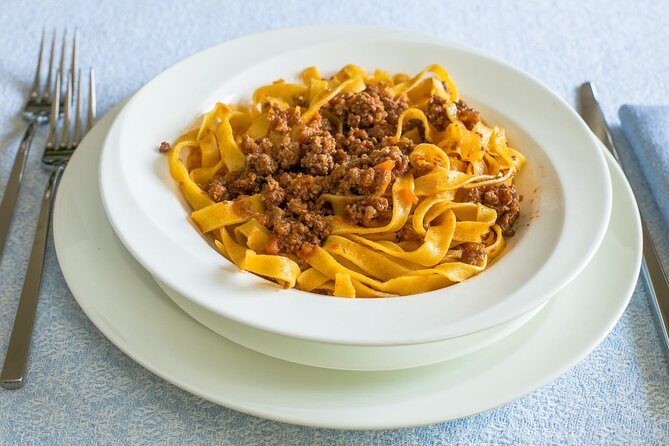
What I like most is how practical it feels: you’re not just watching. You make fresh egg tagliatelle and then build Bologna’s iconic meat sauce, with step-by-step coaching that makes the process click.
One consideration: the experience is about 2 hours, so it’s lively and hands-on, but you won’t have time to turn it into a slow, leisurely day of cooking and hanging out. Small-group size also means you’ll share the attention, even though it’s intentionally small.
In This Review
- Key points worth knowing
- Why Bologna ragù and tagliatelle are the real deal
- The local-home setting and your Cesarina instructor
- What you’ll actually make: tagliatelle, then ragù
- Fresh tagliatelle pasta: practice, not performance
- Ragù Bolognese: building flavor into a meat sauce
- The class flow: from welcome to aperitivo table
- Aperitivo with local wines: why it’s part of the lesson
- Group size, attention, and what small means for you
- Price and value: what $102.13 buys you in Bologna
- Logistics that matter: timing, language, and where you end up
- Who should book this class (and who might skip it)
- Quick decision: should you book this tagliatelle and ragù class?
- FAQ
- How long is the pasta making class in Bologna?
- What dish will I learn to make?
- Is the class taught in English?
- Is it a private class?
- What happens after the cooking?
- Do I get to choose the time of day?
- Does the tour use a mobile ticket?
- What is the cancellation window?
Key points worth knowing
- Cook in a real Bologna apartment vibe: warm home atmosphere, not a demo kitchen
- Hands-on tagliatelle shaping: fresh egg pasta you help form and cut
- Bolognese ragù with local technique: meat sauce built the Bologna way
- Aperitivo meal afterward: you taste what you made with red and white local wines
- Up to 10 people max: small enough to ask questions while you work
- Choose afternoon or evening: plan around your day in Bologna
Why Bologna ragù and tagliatelle are the real deal
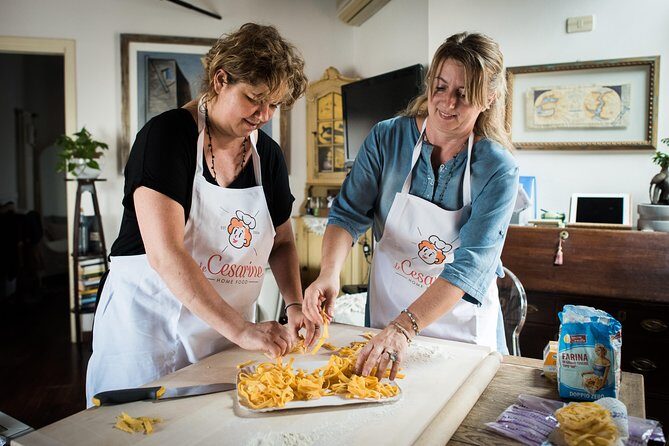
Bologna is the city where pasta stops being an idea and becomes a craft. The dish you’ll make here—tagliatelle al Ragù—is one of those “simple on paper, serious in practice” meals. The tagliatelle shape matters. The sauce matters. And the pairing matters even more, because this is pasta that needs to hold onto flavor.
What makes this class a smart choice is that it focuses on one iconic combo. Instead of trying to sample a bunch of techniques in a blur, you learn the core moves: fresh egg pasta (golden, not dried) and the classic meat sauce that turns into comfort food with structure. By the time you’re eating, you’ll understand what Bologna people mean when they talk about sauce and pasta working together.
Other pasta making classes in Bologna
The local-home setting and your Cesarina instructor
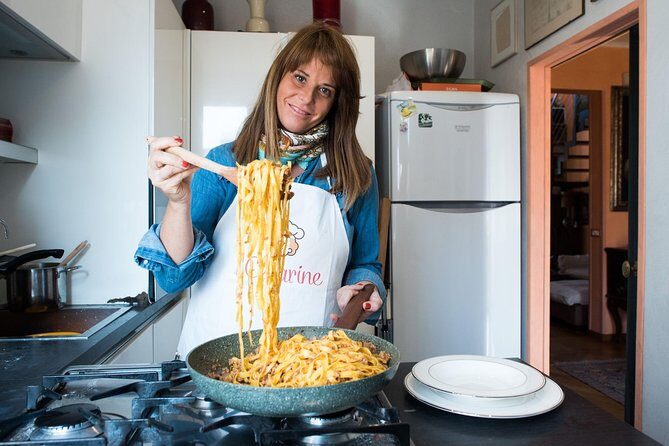
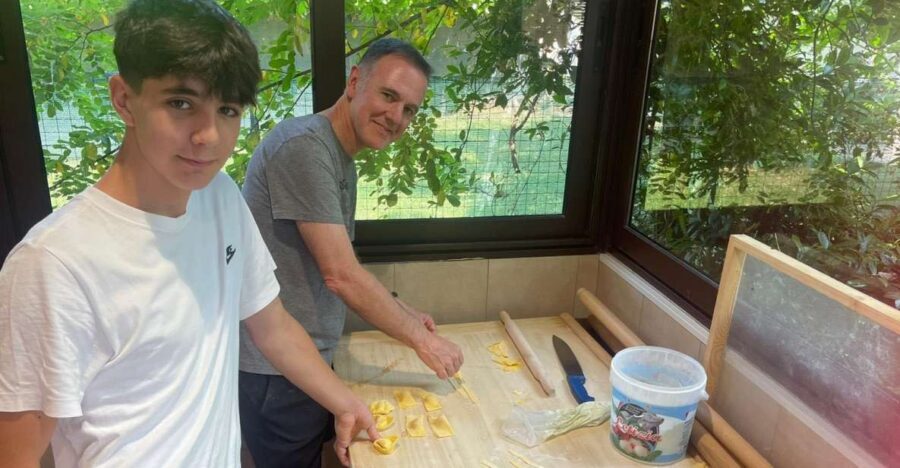
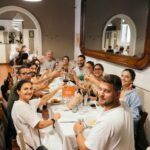
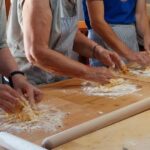
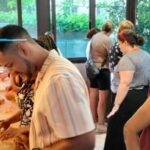
This isn’t a big tour bus situation. It’s capped at 10 travelers, and the format is built around an intimate cooking session in a home setting. That alone changes the feeling. You’re not fighting for space. You’re not dodging extra groups. You’re in a kitchen where the instructor can actually guide you while you’re doing the work.
The hosts are part of the appeal. In the past, people have cooked with Cesarine instructors such as Rosa and Frederica, and other classes have been taught by hosts like Paola Tassi and Alessandra (names come from real experiences in this style of class). Different personalities, same goal: get you cooking like you’re in on the secret.
One small detail I appreciate: you get to choose an afternoon or evening class. That matters in Bologna, where your day can swing quickly from museums and walking to aperitivo time. Matching your class to your energy level makes the whole experience feel smoother.
What you’ll actually make: tagliatelle, then ragù
Fresh tagliatelle pasta: practice, not performance
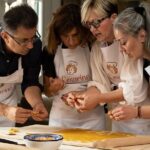
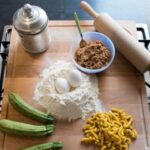
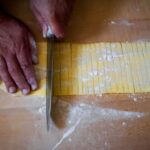
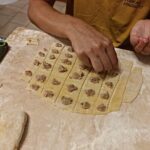
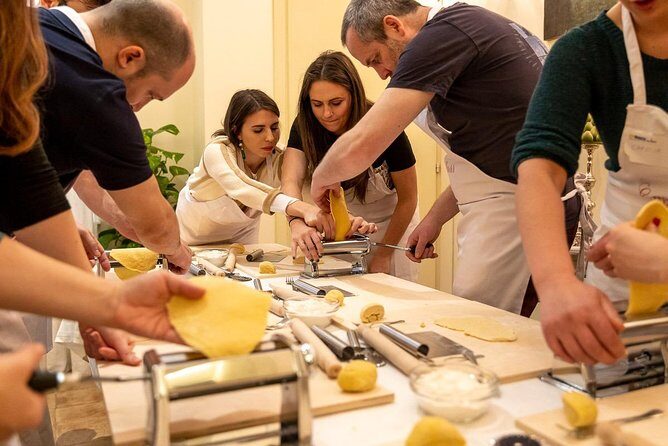
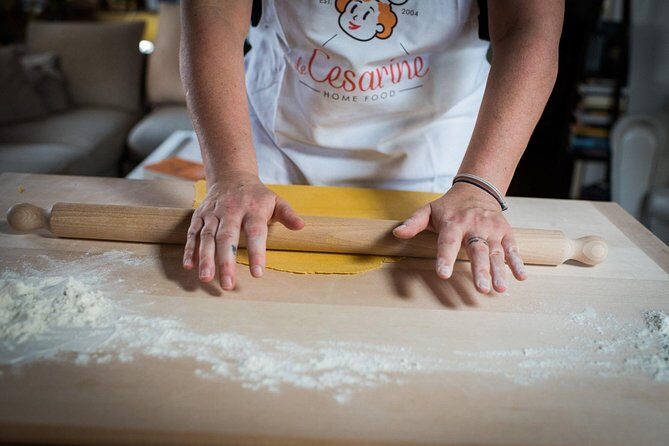
You’ll learn to shape fresh, golden egg pasta into tagliatelle. That means you’re working with dough and turning it into sheets and strips—something that’s hard to replicate from a recipe alone. The benefit is not just the final shape. You’ll learn the logic behind it: the pasta needs to be handled in a way that keeps it tender, not tough.
Also, the small-group size helps here. When you’re learning a hand movement, you want real feedback. If your dough is acting a certain way, you need someone right there to tell you what to adjust. That’s part of why this type of Cesarina class is so popular.
Ragù Bolognese: building flavor into a meat sauce
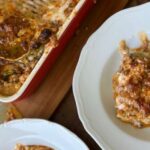
Next comes the sauce: Bologna’s iconic meat ragù. This is the part where the kitchen coaching really pays off. A good ragù isn’t just about ingredients. It’s about timing and how the sauce develops. When you make it yourself, you understand the difference between a quick sauce and one that has depth.
You’ll be creating the dish people associate with Bologna cooking. The payoff is immediate because you’ll taste your work during the meal. And because it’s tagliatelle you made, you can judge how the sauce behaves on your own pasta, not someone else’s.
Other tagliatelle and ragu experiences in Bologna

The class flow: from welcome to aperitivo table
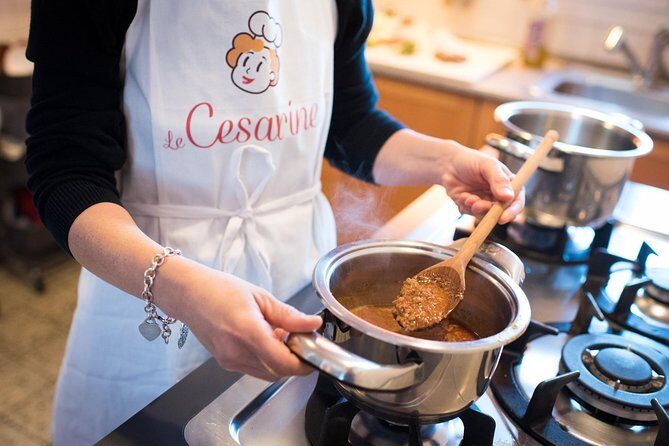
This experience is about hands-on instruction, then eating what you cooked. The class time is approximately 2 hours, so plan to show up with some hunger and a clear mind. Cooking classes are more fun when you’re not rushing between stops.
Here’s what your rhythm is likely to look like:
- You start in the host’s home with a warm welcome and a plan for what you’ll make.
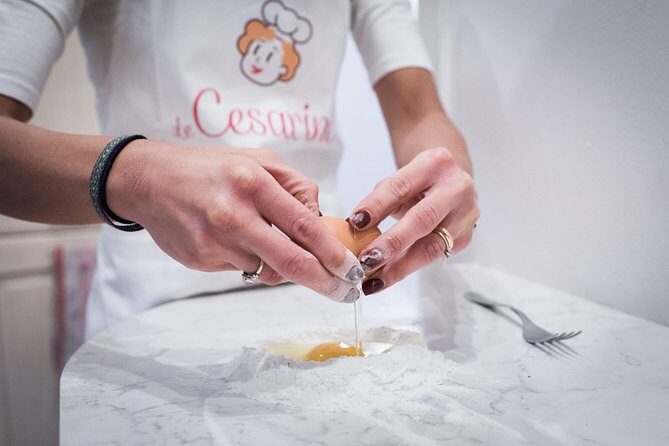
- You move into pasta prep: working dough, shaping it, and learning how the texture should feel.
- While the pasta is handled and cooking steps happen, you prepare the ragù.
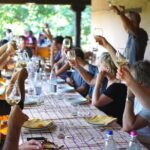
- Then comes the eating phase: you taste everything you prepared as part of an Italian aperitivo.
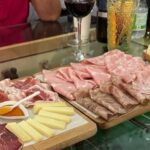
The menu focus is tagliatelle al ragù. Beyond that, hosts often include extra bites as part of the aperitivo setup. People have mentioned homemade starters and even homemade desserts, and in some sessions there’s been mention of champagne as part of the celebration. You shouldn’t count on every add-on every time, but it’s clearly part of the culture of how these classes are hosted.
Aperitivo with local wines: why it’s part of the lesson
The meal isn’t an afterthought here. It’s the point where you stop thinking like a student and start tasting like a Bologna eater.
You’ll enjoy what you made with an aperitivo that includes a selection of red and white local wines. That pairing matters because ragù is heavy and comforting, while wine choice can either smooth it out or make it feel heavier. You’ll also notice how the pasta and sauce taste together as a complete dish. That’s hard to learn from home unless you’ve cooked both components yourself.
If you’re a food lover, this is where you get your real “aha.” You’ll probably start explaining what you did differently in the sauce, how the pasta held the ragù, and why the dish works the way it does.
Group size, attention, and what small means for you
The class caps at 10 travelers, and the experience is designed around undivided attention from the cooking instructor. In practice, that means you’re not lost in a crowd. You can ask a question while your hands are busy. You can compare your progress with what you’re aiming for without feeling rushed.
Some sessions also feel very personal because it’s just a few people at a time in the same kitchen. That matters if you’re someone who learns by doing and needs quick correction.
One thing to keep realistic: if you show up expecting a solo, private chef experience, you might feel slightly squeezed by the group format. But if you want hands-on teaching with lots of feedback, this size is exactly right.
Price and value: what $102.13 buys you in Bologna
At about $102.13 per person for roughly two hours, the price is in the middle of what serious food classes cost in Italy. Here’s why it tends to feel fair rather than pricey.
You’re paying for:
- Instruction from a local Cesarina (not a generic kitchen script)
- Hands-on guidance with cooking steps you can’t easily fake later
- Ingredients and wine for the tasting portion
- A small-group setup that keeps you from feeling like a spectator
If you’ve ever tried to recreate fresh pasta and ragù at home, you know how much trial-and-error time it takes. This class compresses that learning into a controlled, friendly environment. You leave with practical skills plus the mental picture of how the sauce and pasta should come together.
In other words: you’re buying the shortcuts to getting it right, and you’re doing it in the place where it’s supposed to be learned.
Logistics that matter: timing, language, and where you end up
It’s offered in English, and you get a mobile ticket. It also runs near public transportation, which helps because Bologna is easiest to explore on foot, but you don’t always want to walk with bags and then walk back again.
The class starts in Bologna and ends back at the meeting point. That simple return matters. You can plan your afternoon or evening without guessing how your route will work after you’ve eaten.
Because there are both afternoon and evening options, you can also match this to the rest of your day’s food schedule. Do it earlier if you want a heavier meal experience. Do it later if you’d rather finish with aperitivo energy.
Who should book this class (and who might skip it)
This is a great match if you:
- Love pasta and want to learn more than theory
- Want to cook in a warm local home rather than a commercial venue
- Prefer small groups where you can ask questions
- Enjoy pairing food with wine and a relaxed, social aperitivo
You might consider skipping it if you:
- Want a longer cooking session with no rush (it’s about 2 hours)
- Don’t enjoy hands-on food work and prefer purely watching or eating
- Are looking for a class focused on something other than tagliatelle and ragù
Quick decision: should you book this tagliatelle and ragù class?
Book it if you want a practical, Bologna-centered food experience where you cook and then eat the results with local wines. The small group size, English instruction, and home setting make it feel welcoming, and the focus on tagliatelle al Ragù means you’ll learn a real signature dish instead of collecting random techniques.
If you’re the kind of traveler who enjoys bringing home a skill you’ll actually use, this is one of the best ways to do it in Bologna—because you’ll taste your own work right after you make it.
FAQ
How long is the pasta making class in Bologna?
It runs for about 2 hours.
What dish will I learn to make?
You’ll make tagliatelle and Bologna-style meat ragù (tagliatelle al ragù).
Is the class taught in English?
Yes, the experience is offered in English.
Is it a private class?
It’s a small group experience with a maximum of 10 travelers, and you work with a local instructor.
What happens after the cooking?
You’ll taste what you prepared during an Italian aperitivo with red and white local wines.
Do I get to choose the time of day?
Yes, you can choose between an afternoon or an evening class.
Does the tour use a mobile ticket?
Yes, you receive a mobile ticket.
What is the cancellation window?
You can cancel for a full refund up to 24 hours before the start time.