REVIEW · BOLOGNA
Bologna: A Self-Guided Audio Tour from Porta Galliera to Le Tre Frecce
Book on Viator →Operated by VoiceMap Audio Tours · Bookable on Viator
Bologna talks back in your earbuds. This self-guided VoiceMap walk is a fast way to get your bearings in the center, with offline audio and maps that keep you moving from story to story. I like that the directions are simple enough to follow on foot, and the narration hits both the famous sights and the weird details that make the city feel human. One thing to think about: this isn’t a guided “go inside everything” tour, so you’ll mostly get exterior views and context, and any museum entries are on your own.
At about 90 minutes to 1.5 hours, the route strings together key Bologna stops without wasting time backtracking. You do the pace. You pause for a photo, a snack, or just to let a tower frame the view. And yes, it’s priced low enough that even if you only get half the route’s value, you’re still likely to feel good about the spend.
In This Review
- Key highlights at a glance
- Porta Galliera to Le Tre Frecce: a smart walking route for first-timers
- Price and value: $11.99 for a full walking circuit
- VoiceMap basics: how to make the app work smoothly
- Stop 1: Porta Galliera and the 1848 rebellion that shaped the city
- Il Pincio and Parco della Montagnola: Napoleon’s French-style garden vibe
- Piazza Otto Agosto: a pause square with a politics-and-identity feel
- Canale delle Moline and Via Indipendenza: Bologna’s Venice moment
- San Pietro: a quieter stop that keeps the route honest
- Piazza del Nettuno and the Neptune sculptor story
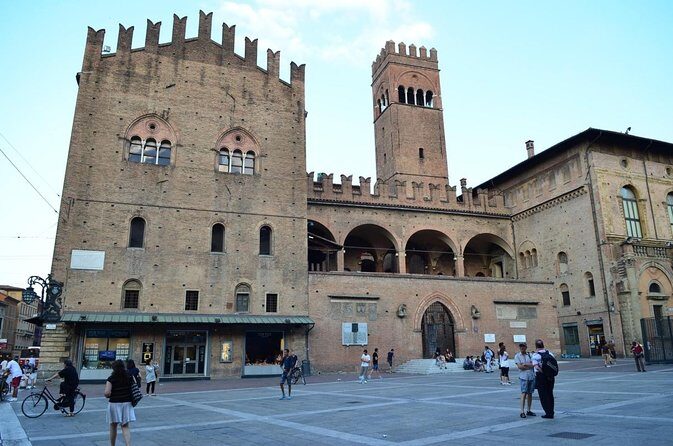
- Torre dell’Arengo whispering: lovers, laws, and clever acoustics
- San Petronio: the big church moment (and what to expect outside)
- Quadrilatero and Via Rizzoli: cafes, restaurants, and a great stroll
- Garisenda and Asinelli: Bologna’s Two Towers and the city’s skyline brain
- Piazza della Mercenzia: a market-feeling square break
- Le Tre Frecce: finishing with legends, including nudity
- Who this self-guided audio walk suits best
- My booking advice: should you get this tour?
- FAQ
- How long is the Bologna self-guided audio tour?
- What language is the audio in?
- What do I need to bring?
- Where do I start and end the tour?
- Does it work offline?
- Are museums or paid attractions included?
- Can I change or get a refund after booking?
Key highlights at a glance
- Smart, stop-and-go navigation that keeps you aligned with the route
- Offline access for audio, maps, and geodata so you’re not stuck without service
- Porta Galliera and 1848 rebellion context right at the start
- Piazza del Nettuno and the Neptune sculptor anecdote (yes, the church had opinions)
- Torre dell Arengo whispering story for a playful local legend moment
- Legends of Le Tre Frecce, including one involving nudity
Porta Galliera to Le Tre Frecce: a smart walking route for first-timers
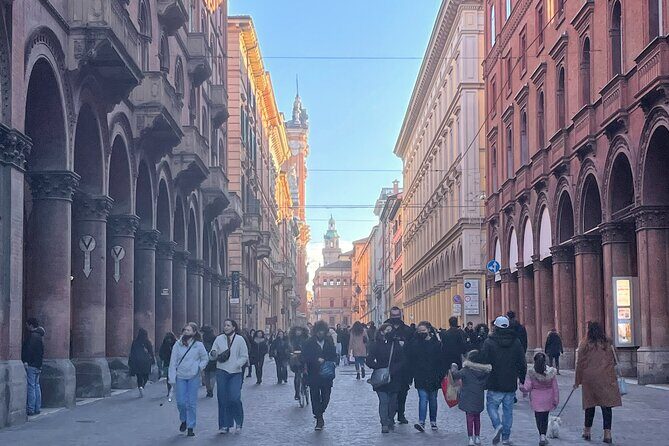
This is the kind of Bologna walk that helps you feel the city’s “logic” quickly. You start at Porta Galliera, move through parks and squares, cross the center’s classic streets, and end at Le Tre Frecce. The path is built for an enjoyable stroll, not a sprint. You get a sequence of landmarks close enough together that you can keep momentum, yet spaced so each place has room to land.
What makes this route especially helpful is the way the audio connects physical sights to ideas. Bologna can sound like a list from a guidebook—towers, church, food, canals. Here, the narration gives you reasons. Why the city has so many nicknames. Why a political rebellion matters. Why a fountain’s story is more cheeky than you expect. By the time you reach the towers and the final legends, you’re not just looking—you’re reading the city in real time.
One more practical point: the tour is self-paced. That’s not hype; it’s the whole deal. If you’re the type who wants to linger, you can. If you’re more “walk, look, learn, move,” you can do it quickly too. In my mind, this makes it a strong option for days when you don’t want to commit to a timed group schedule.
Other self-guided audio tours in Bologna

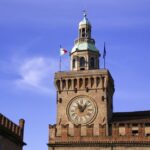
Price and value: $11.99 for a full walking circuit
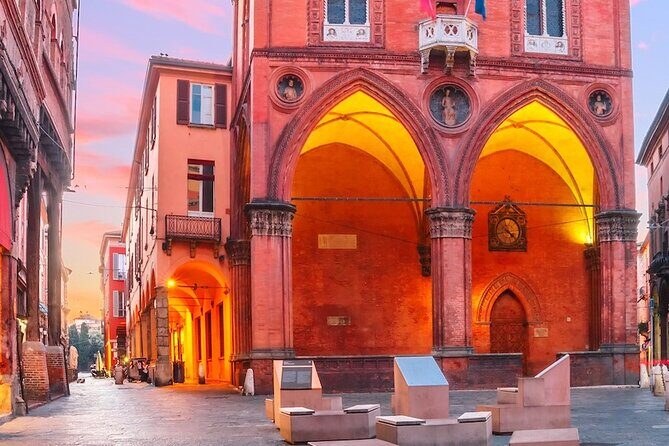
For $11.99 per person, what you’re buying is not a one-time guided service. You’re getting lifetime access to the English audio tour, plus the VoiceMap app and offline capability. In plain terms: you pay once, then you can re-walk the route later, or use the app again in other cities.
The value gets even clearer when you think about logistics. A human guide is great, but it costs more and it locks you into a start time. This tour lets you build your own day around the audio. You can stop for a snack—an Aperol Spritz break fits naturally—and you won’t miss your “place” on the route if you step away for a few minutes.
The main trade-off is also tied to the low price: you need your own gear. Smartphone and headphones are not included. If your phone battery is questionable or you hate earbuds, it can turn into a frustrating experience. I’d treat the app like a small public transport pass for walking—use it well, and it saves you money and time.
VoiceMap basics: how to make the app work smoothly
This tour lives inside the VoiceMap app, which handles the on-foot guidance. The audio is designed to start and stop at the right points, so you’re not stuck playing tracks manually. The navigation uses your phone’s location to keep you on track. When it works well—and it usually does—you feel like you have a guide timing your walk.
Here are a few “do this and you’ll be happier” tips:
- Download before you go so offline audio and maps are ready to use.
- Bring a charged phone. GPS plus audio plus photos adds up.
- Use headphones you actually like. You’ll hear plenty of narration on the walk.
- Expect short background stories rather than lectures. The pacing stays friendly.
In the experience, people liked that the app is easy to follow and that the route feels close to a personal guide within a small area of Bologna. That matches what you’d want in a self-guided city walk: clear directions, good timing, and narration that makes the streets feel meaningful.
Stop 1: Porta Galliera and the 1848 rebellion that shaped the city
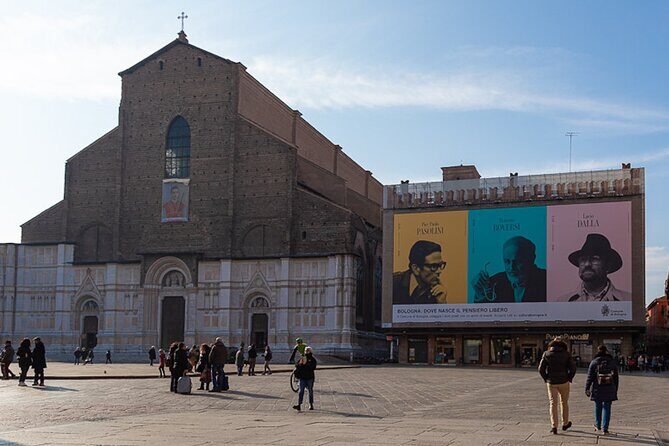
You begin at Porta Galliera in Piazza XX Settembre. This is a strong start because it anchors the whole tour in real historical motion, not just monuments. The story frames Bologna as a city with teeth—politically rebellious, proud, and not afraid to resist power.
The audio introduces you to the moment when a retreating Austrian army left Bologna following a rebellion by the Bolognese in 1848. That’s an important lens for the rest of the walk. When you later see the grandeur of churches, towers, and fountains, you’ll understand that Bologna wasn’t only about art and food. It was also about civic identity and stubborn independence.
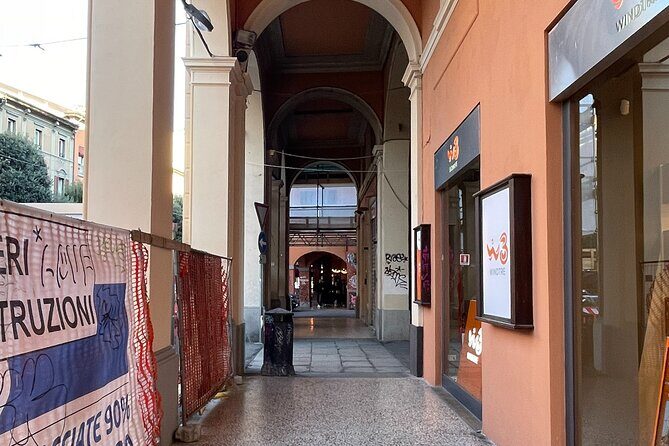
A practical note from real-world use: the start area can have construction, so give yourself a little slack time to navigate around temporary barriers near Porta Galliera. Once you’re moving, the route generally settles into a smooth flow.
Il Pincio and Parco della Montagnola: Napoleon’s French-style garden vibe
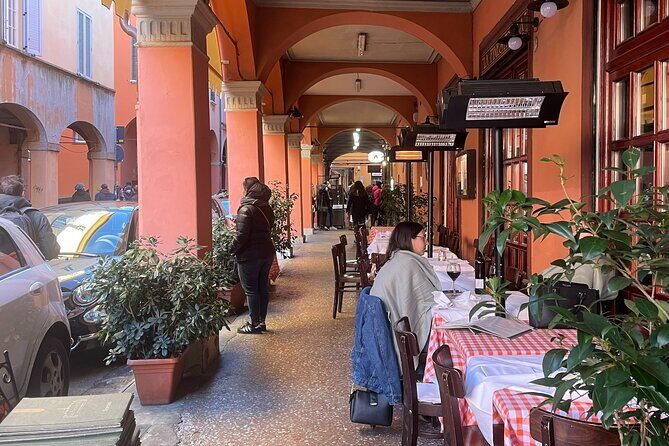
After Porta Galliera, you pass Il Pincio, the entrance to Parco della Montagnola. This is where the walk gives your eyes a break. It’s not just pretty scenery; the narration connects the park to big European history by mentioning Napoleon’s influence and the garden’s French style.
Why this stop matters: Bologna isn’t only stone and towers. It’s also social space—people strolling, sitting, and watching the city. Parco della Montagnola helps you see how Bologna relaxes, even while keeping its historical identity.
If you’re traveling in warm months, this is a good place to pace yourself. If it’s cooler, it’s still worth lingering just long enough to reset your legs before you head into denser streets and squares.
Other guided tours in Bologna

Piazza Otto Agosto: a pause square with a politics-and-identity feel
Next is Piazza Otto Agosto. I like these mid-walk squares because they stop you from walking “on autopilot.” Even if you don’t stop long, the audio turns the square into context: it’s another piece of the city’s identity mosaic.
This is the point where you start feeling the tour’s structure. It doesn’t cram ten sights into one minute. It gives you a rhythm: arrive, listen, look, move. If your attention span is better on foot than in a museum, this works.
Canale delle Moline and Via Indipendenza: Bologna’s Venice moment
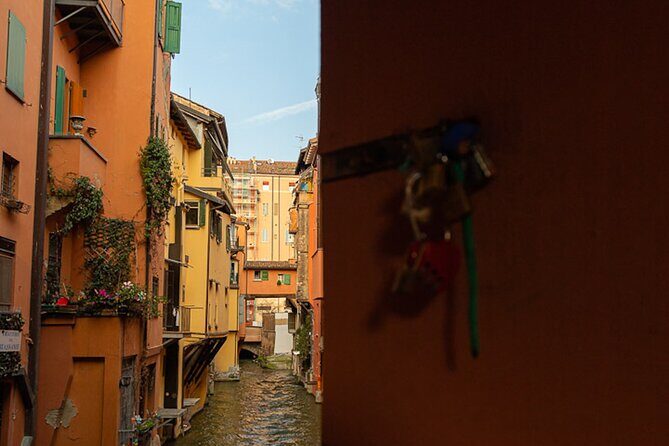
One of the cooler “wait, really?” angles in the tour is the idea that Bologna once resembled Venice, with canals and rivers crossing through the city. The audio gives you that perspective while you pass Canale delle Moline and, later, along Via Indipendenza.
This matters because it explains a visual oddity people may not immediately notice. Bologna can look timeless and dry-sounding—red roofs, churches, towers. But the water-story changes the mood. It hints at how the city functioned and how it may have felt different in other centuries.
When you walk Via Indipendenza with that in mind, you’re not only looking at a street. You’re imagining the city’s earlier circulation—where people moved, traded, and lived around channels. Even if the water isn’t the same today, the audio makes your mental map richer.
San Pietro: a quieter stop that keeps the route honest
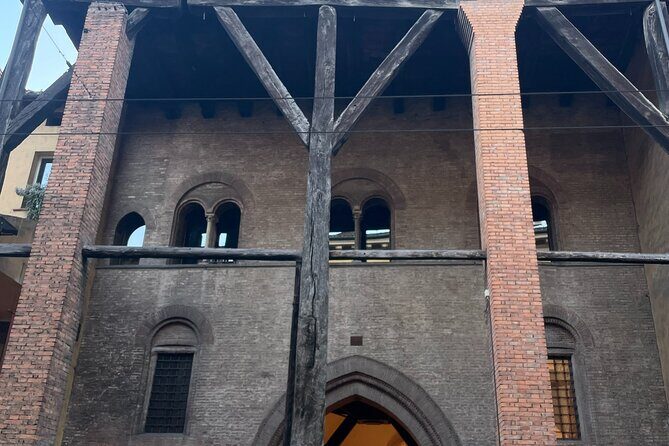
You’ll also get a glimpse of San Pietro. This isn’t pitched as the tour’s biggest “wow” stop, and that’s exactly why it works. Not every moment in an interesting walking tour has to be the top landmark. Some stops add variety and help the route feel like it’s actually moving through neighborhoods, not just hopping between postcard stops.
If you’re trying to keep your walk from getting too intense, this kind of stop helps. You get narration, a look around, and then you head onward without feeling like you’ve been trapped in a single highlight zone for too long.
Piazza del Nettuno and the Neptune sculptor story
In Piazza del Nettuno, you’ll get one of the tour’s funniest, most human-feeling anecdotes. The audio explains how the fountain’s sculptor managed to make Neptune seem particularly well-endowed, despite restrictions from the church.
That story does two things well. First, it reminds you that art history isn’t sterile. People were clever, people were stubborn, and rules often met practical workarounds. Second, it helps the square feel alive. A fountain isn’t only a photo spot. It’s a snapshot of tensions—between public taste, religious power, and the creative impulse.
Stand here long enough to look at angles. Even without going deep into art analysis, the fountain reads differently from different positions. And the story in your headphones makes you look more carefully, which is a nice bonus.
Torre dell’Arengo whispering: lovers, laws, and clever acoustics
Under the Torre dell’Arengo (often described as the Tower of Arengo), the audio tells a legend about how lovers could whisper without their legitimate partners realizing.
It’s playful. It’s slightly scandal-adjacent. And it fits Bologna’s reputation for stories that balance respect with mischief. This is one of those moments where you can’t help smiling, even if you’re walking past on a busy day.
Practical tip: the story makes the spot more interesting, but you still need to use your judgment on where you can stand. The tour doesn’t claim to turn you into a private theatre audience. You’re there to listen, look, and take in the ambiance.
San Petronio: the big church moment (and what to expect outside)
You’ll see San Petronio, described as the largest and most important church in Bologna. This stop is a major anchor because it gives you scale. When you’re in the center, it’s easy to miss how massive and important some spaces are until you’re actually there.
One key expectation: this is not positioned as a museum-style visit. You get the “glimpse” value—seeing it, hearing the background, connecting it to the city’s identity. If you choose to go inside, you may need to handle entry yourself.
That’s actually a good match for the tour’s format. Audio tours work best when they create a reason to visit later at your own speed, not when they pretend every entrance is included.
Quadrilatero and Via Rizzoli: cafes, restaurants, and a great stroll
Next comes the Quadrilatero neighborhood, known for cafes and restaurants. Even though food and drink aren’t included, the narration helps you treat this area as more than a place to eat. You’re walking through Bologna’s social engine—where people linger, chat, and snack their way through the day.
Then you move along Via Rizzoli. This street is a classic Bologna spine, and hearing the stories while walking helps you feel the city’s everyday tempo. You’re not just reading about Bologna. You’re experiencing the kind of streets that make a “slow travel” plan work.
If you want a smart strategy: plan one short break here. That way you don’t turn the whole day into a caffeine-and-waiting game. Grab something simple, sit for five minutes, then keep going.
Garisenda and Asinelli: Bologna’s Two Towers and the city’s skyline brain
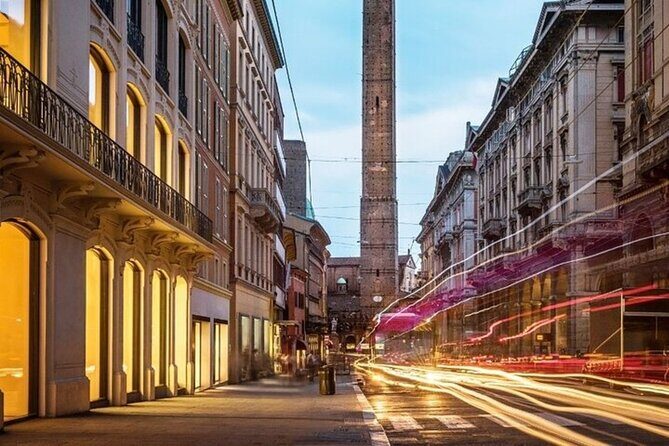
When you reach Garisenda and Asinelli, you’re at one of Bologna’s most iconic visual anchors. The audio frames the towers as part of the city’s “towered” identity—Bologna once had a whole forest of towers, and these are the famous survivors.
Why towers matter on a walk like this: they help you “read” the city. They show how Bologna might have competed vertically—status, defense, and pride all tangled together. Once you know that, the skyline becomes meaningful. You stop seeing towers as just photo props.
This is a good spot for photos. Even if you only take a few, use the audio story as your guide for what to notice—position, silhouette, and how the towers sit over the streets you just walked.
Piazza della Mercenzia: a market-feeling square break
You’ll also stroll through Piazza della Mercenzia. Think of this stop as a mood shift. It keeps you from rushing from towers to the final legends. You get a square experience—open space, street life, and a chance to reorient your route toward the finish.
Even if you don’t buy anything, market-feeling squares add texture. They make your walk feel less like a set and more like a real day in Bologna.
Le Tre Frecce: finishing with legends, including nudity
The tour ends at Le Tre Frecce on Str. Maggiore, in front of the landmark. This is where the narration leans into legends. The audio reveals stories linked to the Three Arrows, including one legend involving nudity.
That detail is the only real content “warning” you should keep in mind. If you’re traveling with kids or you prefer totally clean narratives, decide based on your comfort level. For many adults, it’s part of the playful, story-rich character that makes Bologna feel different from other Italian cities.
I also like the ending location because it makes the walk feel complete. You finish with a legend, not just another monument. If you want, you can naturally keep exploring nearby on foot after the tour concludes.
Who this self-guided audio walk suits best
This tour is ideal if you want:
- a low-cost intro to central Bologna that doesn’t lock you to a group schedule
- an easy route with clear app guidance and short stories at each stop
- a walk you can shape around breaks and photos
It’s also a good fit for people who have limited time but want more than the headline attractions. You’ll see major names—Porta Galliera, Piazza del Nettuno, San Petronio, and the Two Towers—plus the smaller connectors that make the city feel like it has a pulse.
Where it might not be ideal:
- If you want a tour that includes museum visits or guided interiors, this won’t give you that. You’ll need to pay for any extra entries yourself.
- If you don’t want to rely on your phone for navigation and audio, pick a different format.
My booking advice: should you get this tour?
I’d book it if you’re planning a Bologna day and want a straightforward way to connect the dots between landmarks. The combination of English audio, offline access, and lifetime use is what makes this feel like good value, not just a gimmick.
You should skip—or at least think twice—if your ideal travel day is a human guide steering you inside major sites. This walk is about street-level learning: what you see outside, what you understand as you walk, and how the stories make the city feel personal.
If you’re the kind of traveler who likes to stroll with a plan, this is a solid choice. It gets you moving through Bologna’s most memorable corners without making you feel rushed.
FAQ
How long is the Bologna self-guided audio tour?
It’s listed as about 1 hour to 1 hour 30 minutes, and the walking time can vary based on whether you stop.
What language is the audio in?
The tour is available in English.
What do I need to bring?
You need a smartphone and headphones. Transportation and food or drink are not included.
Where do I start and end the tour?
Start: Porta Galliera, P.za XX Settembre, 40121 Bologna. End: Le Tre Frecce, Str. Maggiore, 19, 40125 Bologna, stopping in front of Le Tre Frecce.
Does it work offline?
Yes. It includes offline access to audio, maps, and geodata through the VoiceMap application.
Are museums or paid attractions included?
No. You won’t be guided through museums or other attractions mentioned en route. If you want to enter places, you’ll need to pay separately.
Can I change or get a refund after booking?
No. The experience is non-refundable and cannot be changed for any reason.