REVIEW · BOLOGNA
Bologna: Guided Walking Tour
Book on GetYourGuide →Operated by Manuela Roversi · Bookable on GetYourGuide
Bologna rewards slow walking. In just 3 hours, this guided tour packs in Piazza Maggiore, the city’s famed porticoes, and the university world that makes Bologna feel different from other Italian cities.
I especially like how the walk connects big landmarks to daily life. You’ll start with Piazza Maggiore sights like the Fountain of Neptune and the Palazzo del Podestà, then keep going past the landmarks that explain why locals call Bologna La Dotta and La Grassa.
One consideration: the Anatomical Theatre at the Archiginnasio is not included. The entrance costs €3.50 per person and needs advance booking, plus churches require covering up (no shorts; shoulders covered).
In This Review
- Key Things I Think Are Worth Your Attention
- First Stop: Piazza Maggiore (Where Bologna Shows Its Big-Square Personality)
- La Dotta, La Grassa, and La Rossa: Why Bologna’s Nicknames Matter
- The University Thread: Archiginnasio and the Anatomical Theatre Choice
- San Petronio and the Longest Sundial in the Basilica
- The Two Leaning Towers and the Porticoes of Bologna
- Via Farini, Via Strada Maggiore, and the Walks Between Sights
- Covered Passageways: Court Isolani to Piazza Santo Stefano
- Mercato di Mezzo: Bologna’s Food Culture on a Human Scale
- What Makes the Guide Matter (And Why This Tour Gets High Marks)
- Price and Value: $118.95 for a Private Group Up to 5
- Practical Tips Before You Go: Shoes and Church Rules
- Who This Tour Is Perfect For (And Who Might Want a Different Plan)
- Should You Book This Bologna Walking Tour?
- FAQ
- How long is the Bologna guided walking tour?
- How much does the tour cost?
- Where does the tour start?
- Where does the tour end?
- What’s included in the price?
- Is the Anatomy Theatre of the Archiginnasio included?
- What languages is the guide available in?
- Is the tour wheelchair accessible?
- What should I wear or bring?
- What are the cancellation terms?
Key Things I Think Are Worth Your Attention
- Fountain of Neptune and Palazzo del Podestà to get your bearings fast in the historic center
- San Petronio’s longest sundial and what it signals about Bologna’s love of science and time
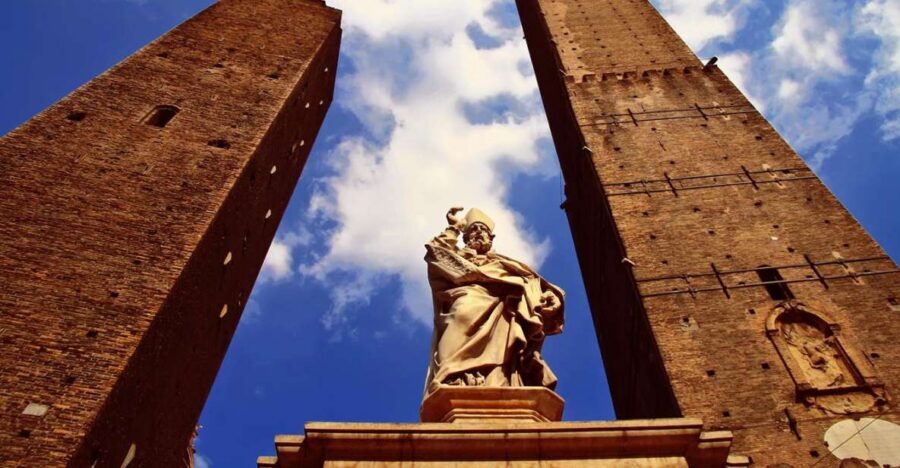
- Two leaning towers and the porticoes for that signature Bologna look from street level
- Archiginnasio stop with optional anatomy theatre entry if you want to add the paid experience
- Court Isolani covered passageway plus the walk to Piazza Santo Stefano’s porticoes
- Mercato di Mezzo food chat that ties Bologna’s culture to what people actually eat
First Stop: Piazza Maggiore (Where Bologna Shows Its Big-Square Personality)
The tour begins at Piazza Maggiore, right near the tourist office entrance for Bologna Welcome. That’s a smart place to start, because it’s central, iconic, and easy to visualize even if you arrive with zero clue about where things are.
From there, you’ll see major anchor points around the square: the Fountain of Neptune and the Palazzo del Podestà. These aren’t just pretty facades. They help explain how Bologna’s civic power and city planning worked long ago, and why this center feels like a stage set you can still walk through today.
One reason I like this opening is pacing. The guide sets the tone quickly: history, architecture, and little stories tied to what you’re actually looking at. If you get a guide like Manuela Roversi (and yes, people name her often), you’ll likely feel like the city gets translated in real time, not recited like a script.
Other walking tours we've reviewed in Bologna


La Dotta, La Grassa, and La Rossa: Why Bologna’s Nicknames Matter
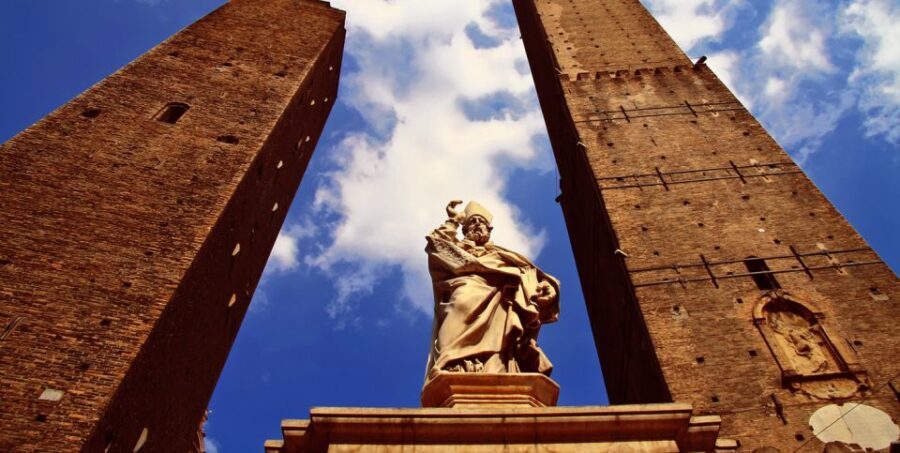
This walk isn’t only about monuments. It’s also about why Bologna earned three nicknames that almost sound like a joke until you understand them.
You’ll hear why people call Bologna La Dotta (the learned side), La Grassa (the food side), and La Rossa (the red-leaning character you see in buildings and streets). The tour uses those labels as a way to connect dots: university influence, food culture, and the look of the city you’ll keep passing under.
You’ll also see the medieval Torre Galluzzi, which helps break up the tour visually. It’s easy to think of Bologna as one huge grid of porticoes, but stops like this remind you the city grew through centuries, with older layers still standing right next to newer ones.
The University Thread: Archiginnasio and the Anatomical Theatre Choice
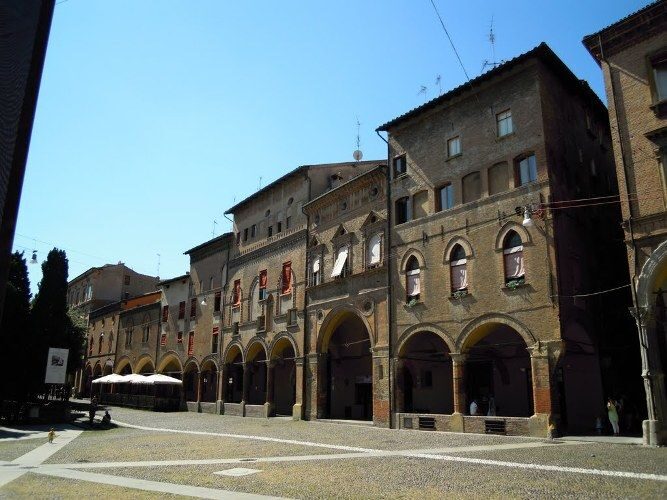
Bologna’s university identity isn’t abstract here. You’ll walk toward the Archiginnasio area and see the famous anatomical theater concept up close, which is a big reason La Dotta isn’t just a slogan.
The Anatomical Theatre of the Archiginnasio is a separate paid entrance at €3.50 per person, and it must be booked in advance. That means you have a real choice to make before your tour day: if you’re curious about this part of medical history, plan for it early so you’re not trying to solve timing issues mid-walk.
I like that the tour gives you the option rather than forcing everyone into a paid entry. If you want to focus on outside architecture and the street-level story, you still get plenty. If you do want the inside experience, you’ll get a guided frame first, which makes the visit make more sense once you enter.
San Petronio and the Longest Sundial in the Basilica
One of the standout stops is the Basilica of Saint Petronio. You’ll learn about a truly specific detail: the longest sundial located in this basilica.
That kind of fact is more than trivia. Sundials are about how people measured daily life before modern clocks took over. When your guide ties the sundial to Bologna’s scientific and academic reputation, the stop stops being a quick photo moment and turns into an actual idea you can carry around the city.
Practical heads-up: because this involves church interiors, you’ll need to dress correctly. You must be covered up when entering churches—no shorts, and your shoulders must be covered. If your outfit is close but not quite right, you might have to adjust on the spot, so plan ahead.
The Two Leaning Towers and the Porticoes of Bologna
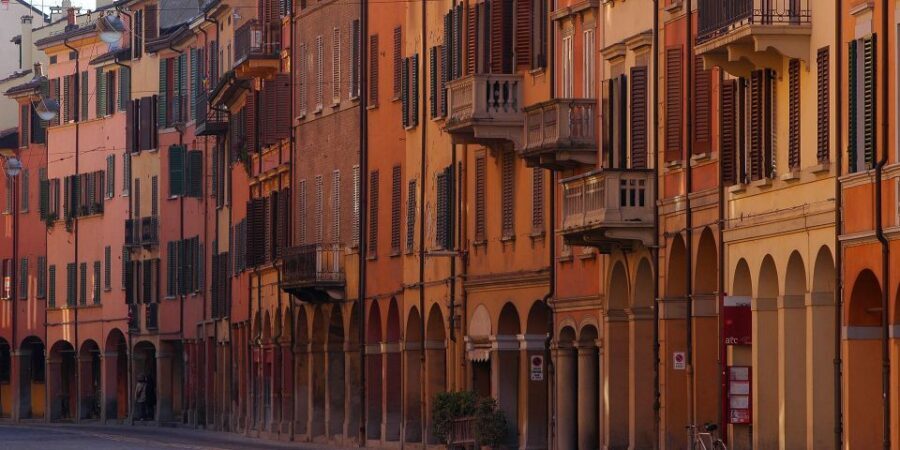
Bologna’s most photographed feature is its covered streets. You’ll see the porticoes of Bologna along the way, and you’ll also come across the two leaning towers.
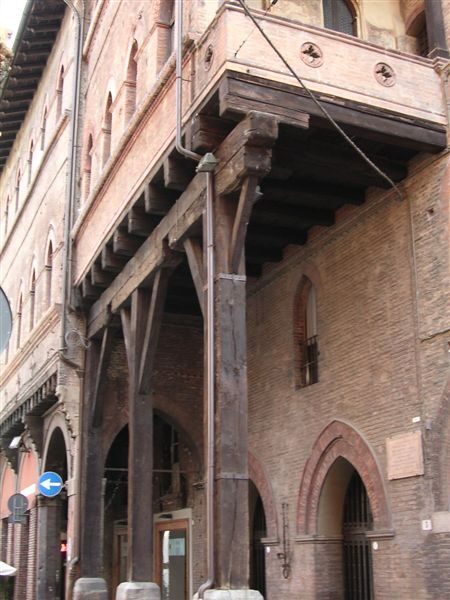
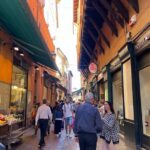
The porticoes aren’t just “cool architecture.” They solve a real problem—weather—and they shape how people move through the city. When you walk under them with a guide explaining what you’re seeing, it becomes obvious why Bologna feels walkable and sheltered at the same time.
As for the towers, they act like a visual shortcut to Bologna’s long-term story of building, engineering, and change over time. Even if you’ve never studied Italian architecture, your guide can point out what makes these towers stand out and why they’re still part of the city’s identity.
Other guided tours in Bologna

Via Farini, Via Strada Maggiore, and the Walks Between Sights

A good walking tour earns its keep in the “between” parts. This one pays attention to that.
You’ll stroll along Via Farini and walk toward the area around Via Strada Maggiore. Those routes matter because they show you how Bologna’s historic center works as a lived-in place, not a museum corridor. You’re moving through streets that still function, and that changes how the monuments feel.
One small bonus is how the guide helps you interpret what you’re seeing as you go. If you’re used to tours where you only hear details at the exact stop, this style is different—you get context that follows you down the next street.
Covered Passageways: Court Isolani to Piazza Santo Stefano
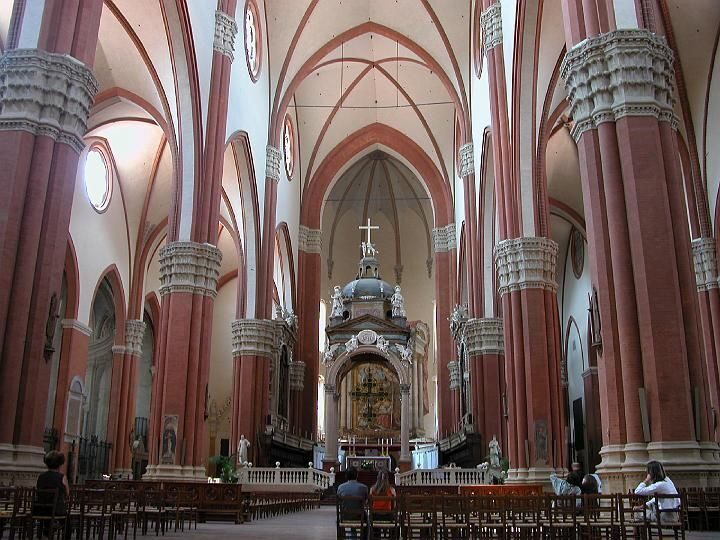
On the way to Piazza Santo Stefano, you’ll pass through the covered passageway of Court Isolani. Covered passageways are one of those Bologna details that people often miss because they look like side corridors. On this tour, they’re treated like part of the main story.
Then you’ll reach Piazza Santo Stefano and see the porticoes around it. This area is tied to the famous church complex people often call the seven churches, and the guide’s job is to make sense of the space so you’re not just taking pictures while standing in place.
The value here is that the tour connects architecture to movement. You’re not only seeing buildings. You’re learning how people get from one sacred/civic point to another while staying under shelter.
Mercato di Mezzo: Bologna’s Food Culture on a Human Scale
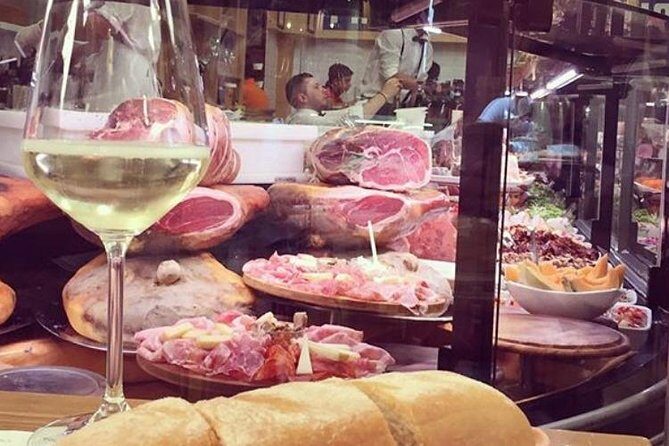
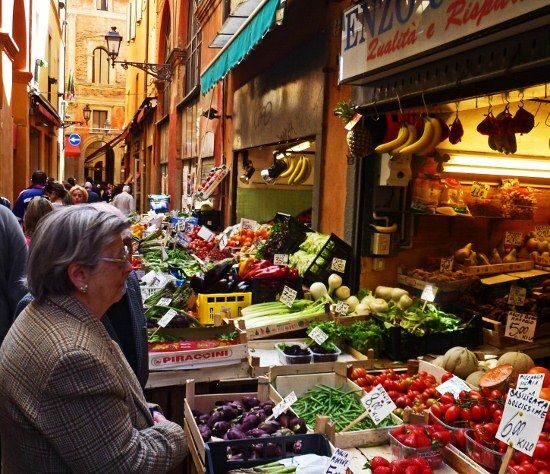
No Bologna experience is complete without food. This tour makes that part practical and social.
You’ll visit Mercato di Mezzo, and you’ll have a chance to talk with locals about why food is so important in Bologna. That doesn’t mean you’ll turn into a chef class. It means you’ll hear real reasons—cultural habit, local pride, and everyday life—so Bologna’s food reputation feels earned rather than marketed.
I also like the timing of this stop. After walking through religious and academic landmarks, switching to food talk gives your brain a breather. It helps you remember the city as more than stone and symbols.
What Makes the Guide Matter (And Why This Tour Gets High Marks)
A walking tour lives or dies by the guide’s ability to keep you interested while you’re moving. This one tends to be led by guides like Manuela Roversi, and you may also meet other leaders such as Giulia.
From what people consistently praise, the guides focus on more than facts. They answer questions well, keep the group’s attention, and manage the flow even when the weather turns. One group experience specifically highlighted how the guide worked to keep people as dry as possible when it was pouring rain.
That matters because Bologna weather can be changeable, and this is a mostly on-foot experience. If you come prepared for walking, a strong guide turns that into a comfortable, low-stress day.
Price and Value: $118.95 for a Private Group Up to 5
The price is $118.95 per group up to 5, for a 3-hour walking tour. Because it’s private and group-sized, value depends mostly on how many people are in your group.
If you’re booking as a couple, the cost per person lands higher than if you’re a group of five. If you’re traveling with friends or family and can fill out the group size, the per-person value improves quickly. Either way, you’re paying for guided time plus the benefit of not wrestling with crowds or waiting for a large group.
Also, note that the Anatomical Theatre entrance at €3.50 per person is not included. That’s not a dealbreaker; it just means you should decide in advance whether you want that stop inside the theater and be ready to book it.
Practical Tips Before You Go: Shoes and Church Rules
Bring comfortable shoes. This is a 3-hour walking tour, and Bologna’s streets plus porticoes still add up to real walking time.
For churches, dress rules are strict: you need to be covered up, no shorts, and your shoulders must be covered. If you’re traveling in summer or you like light outfits, plan a layer or bring something that fits the rules.
Weather can also play a role. Expect that the guide will help manage the walk when conditions change, but you should still dress for the day you actually get.
Who This Tour Is Perfect For (And Who Might Want a Different Plan)
This tour is ideal if you want a first real look at Bologna’s center without spending your day figuring things out on your own. You’ll get the main monuments, the porticoes, the leaning towers, and the university-adjacent story all tied together with a live guide.
It also works well if you like architecture that has a purpose, not just looks good. Porticoes, sundials, and university history are all part of how Bologna functions as a city.
If you’re the type who hates church dress rules or you don’t want any paid add-ons like the Archiginnasio anatomy entrance, you might feel slightly constrained. In that case, check your outfit plan early and decide whether the optional paid entry is worth it to you.
Should You Book This Bologna Walking Tour?
If you want an efficient, human-sized way to learn Bologna in three hours, I think this tour is a strong choice. You’ll walk through the heart of the city—Piazza Maggiore, porticoes, two leaning towers, and key university landmarks—while a guide keeps the story moving and answers questions along the way.
Book it if you:
- want a private group experience (up to 5)
- care about Bologna’s identity as La Dotta and La Grassa
- can meet the church dress code
- are willing to plan for the €3.50 Archiginnasio anatomy theatre ticket if you want to go in
Skip or reconsider if you:
- won’t be able to follow the church covering rules
- don’t want any extra paid entrance planning
- prefer a fully self-paced day
FAQ
How long is the Bologna guided walking tour?
It lasts 3 hours.
How much does the tour cost?
The price is $118.95 per group, for a group size up to 5.
Where does the tour start?
It starts at Piazza del Podestà, Piazza Maggiore 1/e, near the entrance door of the tourist office called Bologna Welcome.
Where does the tour end?
It ends back at the meeting point.
What’s included in the price?
Included are the 3-hour walking tour and a live tour guide.
Is the Anatomy Theatre of the Archiginnasio included?
No. Entrance to the Anatomy Theatre is not included. It costs €3.50 per person and must be booked in advance.
What languages is the guide available in?
The guide offers live tours in Spanish, English, Italian, and German.
Is the tour wheelchair accessible?
Yes, the tour is wheelchair accessible.
What should I wear or bring?
Bring comfortable shoes. Also, when entering churches you must be covered up: no shorts and shoulders must be covered.
What are the cancellation terms?
There is free cancellation up to 24 hours in advance for a full refund.