One hour into Bologna, it clicks. You get a history-focused route through the city’s art, architecture, and food heritage, tied together by clear stories from guide Riccardo Bacchi. The pace is built for seeing a lot without feeling lost, starting at the iconic heart of town and then tracking how ideas spread through courts, universities, and churches.
I especially love how the tour turns big-name monuments into specific scenes you can actually picture. And I also like the food piece: you’re not just looking at history, you’re tasting it too, with small samples like a medieval-style rice cake and local wine.
The main thing to consider is the walking pace. This is a fast, information-heavy circuit over 3 to 4 hours, so you’ll want comfy shoes and a willingness to keep moving.
In This Review
- Key points before you go
- Bologna art and history, told in street-level scenes
- Piazza Maggiore: the speaking corners, Neptune, and that old clock
- Palazzo d’Accursio: frescoed rooms, a bishop’s chapel, and Bramante’s horsemen stairs
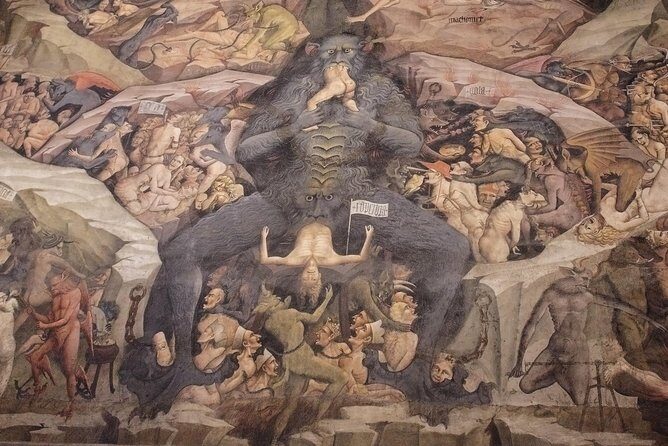
- Basilica di San Petronio: the world’s biggest sundial and major painting names
- Archiginnasio di Bologna: the oldest university in Europe and an anatomical theatre
- Quadrilatero: the market maze where guild symbols still matter
- Santo Stefano complex: Roman spring origins to monastic cloisters
- Santa Maria della Vita: Niccolò Dell’Arca and emotional terracotta
- Asinelli and Garisenda towers plus Finestrella’s UNESCO canal
- A 13th-century house with wooden pillars and Palazzo Comunale ceilings
- Tastings: how the food piece makes the art story stick
- Practical tips that will make the 3 to 4 hours easier
- Who should book this Bologna art and history walk
- Should you book this Bologna historical art walking tour with tastings?
- FAQ
- FAQ
- How long is the Bologna historical art walking tour?
- What is the price per person?
- Is the tour offered in English?
- How big is the group?
- Where do I meet the tour?
- Where does the tour end?
- Is a mobile ticket used?
- Which stops include admission?
- Is the tour suitable for most people?
- Can I cancel for a full refund?
Key points before you go
- Riccardo Bacchi explains Bologna through art, politics, and daily life, not just dates on a wall.
- Landmark-to-hidden-corners flow: Piazza Maggiore to university rooms to the market maze, all in one run.
- Small-group size (max 25) keeps the experience from turning into a blur.
- Tastings are included, with local wine and a medieval-recipe rice cake mentioned in the experience.
- A smart mix of free and included admissions helps keep the value strong.
- Churches + university + market means you see Bologna’s brain and its appetite, not just its façades.
Bologna art and history, told in street-level scenes
Bologna can feel like a city of details. The secret is learning what to look for: the clues on building façades, the symbols inside chapels, and the way institutions like the university shaped what people studied and ate. This tour does that work for you, with a route that’s mostly in the historic center and a guide who stays focused on why each place matters.
The other big plus is pacing that makes sense for first-timers. You start in the main square, then move into government buildings, churches, and academic spaces, before finishing near the market streets and canals. By the end, you don’t just know where things are—you understand the city’s logic.
And yes, you’ll cover classic highlights like Piazza Maggiore, but you’ll also hit smaller stops that many self-guided walks skip because they’re not on the first-page tourist list.
Other historic centre and hidden gems tours in Bologna
Piazza Maggiore: the speaking corners, Neptune, and that old clock
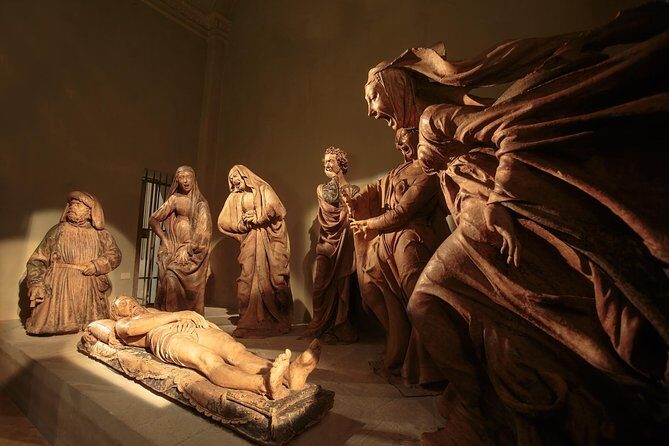
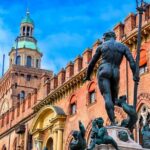
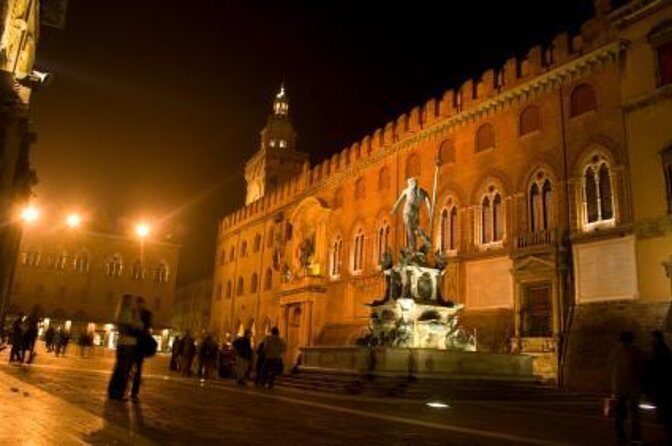
Your tour kicks off at Bar Vittorio Emanuele in Piazza Maggiore, right in the middle of Bologna’s power center. The square itself is a lesson: look at the medieval buildings around you and you’ll notice the four corners often called the speaking corners—facades designed to communicate.
From there, you’ll get the story behind a Renaissance landmark: the fountain of Neptune. It’s not just a pretty centerpiece. It’s tied to the city’s identity and the message leaders wanted the public to see.
You’ll also hear about the “secrets” connected to the textile market, plus the old clock façade of the Council Palace. These bits matter because they explain how commerce and government lived side by side. Note: this stop is listed with free admission, so it’s a good warm-up if you want your first 20 minutes to be low-pressure and high-yield.
Palazzo d’Accursio: frescoed rooms, a bishop’s chapel, and Bramante’s horsemen stairs
Next comes Palazzo d’Accursio, a building that makes Bologna’s civic pride tangible. On the interior route, you’ll see noble rooms on the first and second floors, plus frescoes that show how art was used to legitimize authority.
One of the more specific highlights here is the private chapel of the bishop. That’s where the tour stops being generic and becomes about how religious spaces were designed for meaning and control.
Then there are two details that help you “read” the building: Bramante’s big stairs for horses, and the room connected with the earthquake’s virgin by Francesco Francia. The guide’s stories help you understand why those elements were worth putting in marble and paint—this wasn’t decoration for decoration’s sake.
This stop is free-entry for the listed admission, so you get a lot of interior payoff without that museum-feeling price tag.
Basilica di San Petronio: the world’s biggest sundial and major painting names
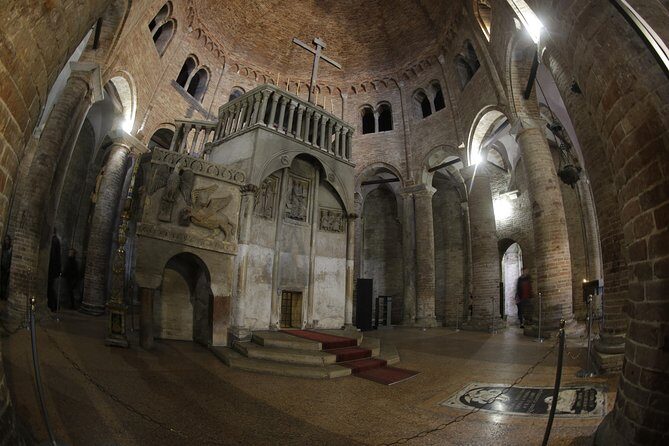
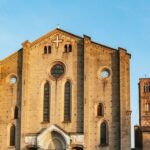
San Petronio is the kind of church that rewards time spent looking upward and slowly. The big wow factor is the biggest sundial in the world, which turns the building into a tool for measuring time. That’s a very Bologna move: science and civic life braided into sacred space.
You’ll also see medieval frescos in the Cappella Bolognini area, plus the four ancient crosses. And the tour points you toward famous paintings by Parmigianino and Lorenzo Costa—not just as names, but as part of Bologna’s artistic chain.
A fair consideration: churches can have active foot traffic, and this stop runs about 35 minutes. If you’re the type who wants long pauses in each chapel, keep an eye on the clock and focus on what the guide highlights, because that’s where the route is designed to pay off.
Admission is included for this stop, so it’s one of the key value plays in the itinerary.
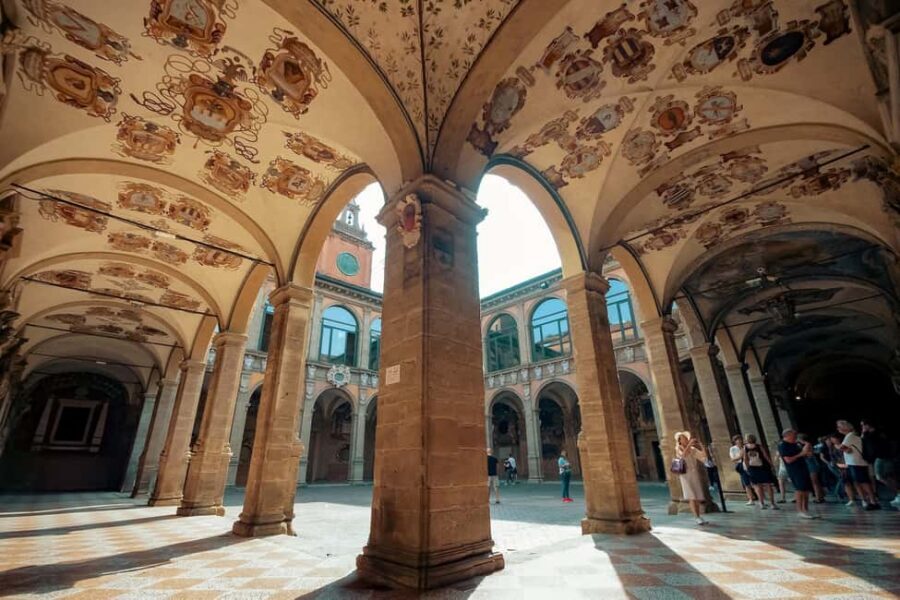
Archiginnasio di Bologna: the oldest university in Europe and an anatomical theatre
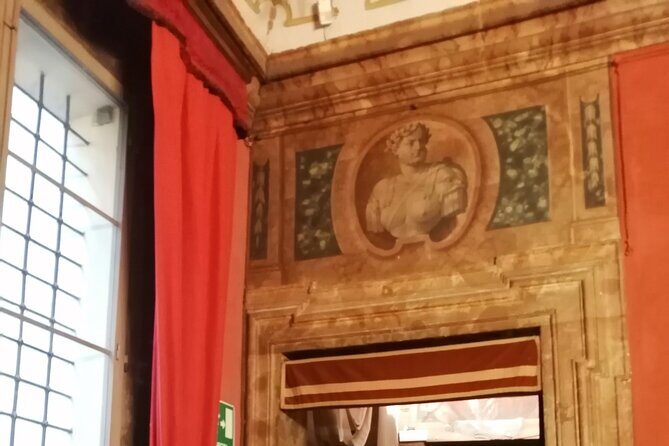
If there’s one place that explains why Bologna became a powerhouse of ideas, it’s Archiginnasio. This is the headquarters of the oldest university in Europe, and you’ll feel it in the rooms and objects: coats of arms, academic halls, and study spaces that show what mattered.
You’ll get a guided look at a Renaissance palace with a huge collection of coats of arms. Then the tour shifts to the more surprising side of learning: the witnesses of secret, powerful medicine, and the wooden anatomical theatre.
That wooden anatomical theatre is the standout if you like history that’s a little unsettling—in a fascinating way. It shows how anatomy and education were tied to status and science.
The Stabat Mater room adds another layer: precious books, including the one referenced as Leonardo da Vinci’s Flights of the birds, plus a long hall for books and ancient codes. Even if you’re not a book nerd, the sense of curated knowledge here is hard to miss.
Admission is included, and the stop runs about 30 minutes, which is just enough time to get the big ideas without feeling dragged.
Other historical and art walking tours in Bologna

Quadrilatero: the market maze where guild symbols still matter
After the institutional weight of the university, Quadrilatero feels like Bologna’s everyday heartbeat. This is the labyrinth of the middle age market, packed with stalls, old food shops, and coats of arms connected to guilds.
This stop works best if you treat it like a wandering museum. You’re moving through streets where commerce left visible traces—so instead of “shopping,” you’re reading signage, corners, and building edges for how people organized trade.
The tour keeps this stop fairly short (about 20 minutes). If you want to linger, you can—but use the guided walk to learn what to look for first, then come back later on your own with a clearer shopping target.
Admission is free here, and that’s perfect after more structured interiors.
Santo Stefano complex: Roman spring origins to monastic cloisters
Santo Stefano is one complex of churches that compresses the city’s long timeline into a tight area. The tour frames it from the Roman era—linked to a temple on a natural spring—through later layers that shaped Bologna’s religious identity.
You’ll walk through the Dante Alighieri cloister surrounded by the cells of the monks, and you’ll notice capitals headed by animals. Those animal-faced capitals are more than decoration: they hint at storytelling traditions and symbolic art carried through time.
This stop runs about 40 minutes, with free admission. That’s a good length for a complex site because you get enough time to notice how sections connect, without feeling like you’re stuck in one chapel forever.
If you’re sensitive to crowds in churches, aim for a calm mindset here. Short detours and quick photo stops are easier than trying to photograph everything at once.
Santa Maria della Vita: Niccolò Dell’Arca and emotional terracotta
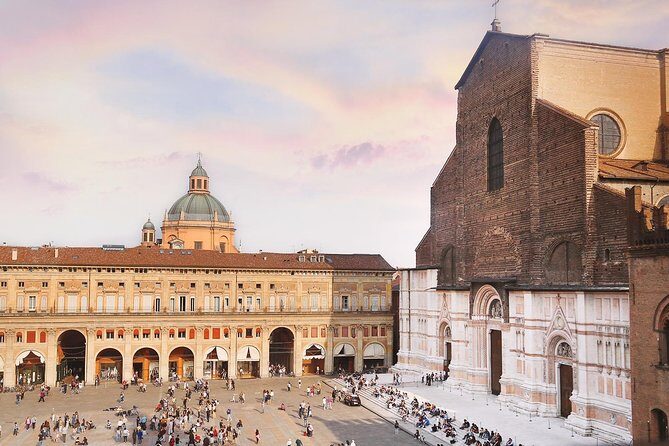
Santa Maria della Vita is where the tour gets hands-on with emotion in art. The highlight is a terracotta masterpiece sculptured in 1470 by Niccolò Dell’Arca.
The key detail is the way the sculpture gets interpreted as movement and emotion—an avant-form of expression for its time. It’s not the kind of art you understand only by reading labels. You need the guide’s framing to see how posture and gesture are doing the storytelling.
Admission is included here, and the stop is about 20 minutes. If you’re a slow gallery-walker, this is the stop where you might wish for a bit more time. Still, the tour structure keeps you from burning your energy before the last stretch.
Asinelli and Garisenda towers plus Finestrella’s UNESCO canal
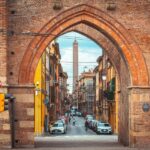
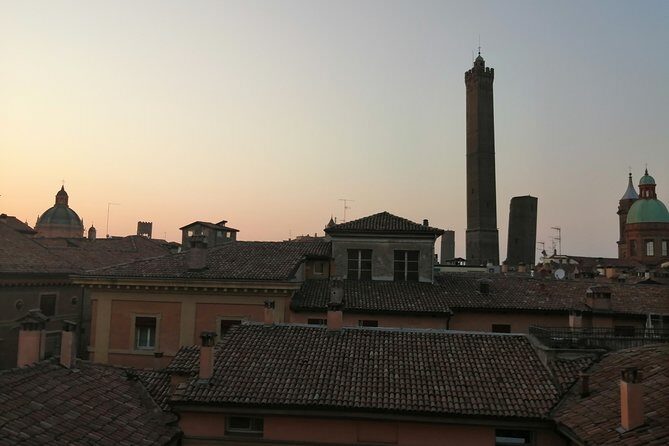
You’ll also get a street-level view of Bologna’s symbol: the 98 meters tall Asinelli Tower and the leaning Garisenda Tower. This isn’t a “we walked up the tower” moment—it’s a perspective shift. Seeing them from street level helps you understand why Bologna’s skyline has always been a mix of ambition and quirks.
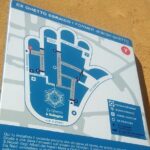
Then the tour moves to Finestrella, a rare medieval example of canals designed to supply silk and hemp textile manufacture. This is also tied to UNESCO heritage, which helps explain why the canal design matters beyond local aesthetics.
Finestrella runs about 10 minutes and is free-entry. It’s short by design, so don’t expect a long canal stroll. Treat it as a visual bookmark and a chance to connect Bologna’s art industry to the waterways that supported it.
A 13th-century house with wooden pillars and Palazzo Comunale ceilings
The last interior and architectural stops keep the theme going: Bologna’s buildings are built to show power, artistry, and craft.
One stop highlights a 13th-century house still keeping its original wooden pillars. That’s a rare type of continuity in a city where many structures have been altered over the centuries. It’s also the kind of detail you’d miss if you’re just following a standard postcard route.
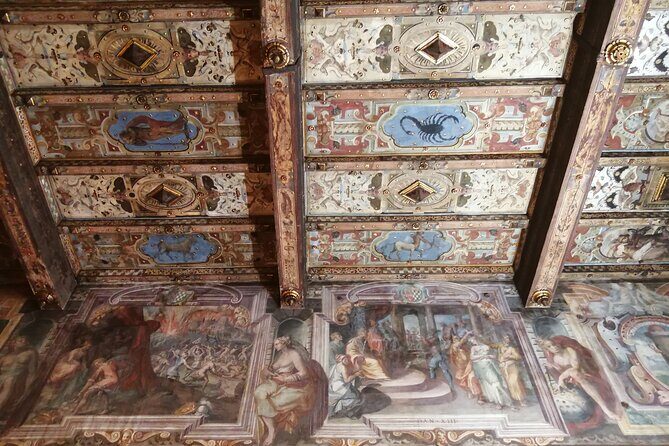
Then you reach Palazzo Comunale, where you’ll see renaissance and baroque ceilings, frescoes, sculptures, and Bramante staircases for horsemen. Again, the guide’s focus on the staircases helps you connect architecture to daily movement and authority. The stairs aren’t just pretty. They’re part of how the city functioned.
This stretch is mostly free-entry for the listed stops, and it ends back at the starting area.
Tastings: how the food piece makes the art story stick
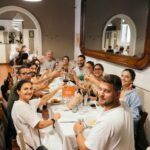
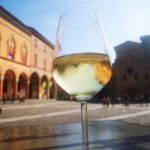
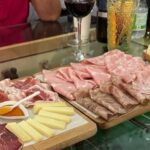
Even though this is an art-and-history walking tour, the food element is what makes it memorable in real life. In the experience, tastings are part of the run—specifically a rice cake made from a medieval recipe, plus a chance to sample local wine.
This is valuable because it ties Bologna’s “old systems” to your senses. When you taste something linked to older recipes, the city’s timeline stops being abstract. You start thinking about how trade, ingredients, and social rituals shaped the arts as much as paintings did.
If you’re planning your own schedule afterward, keep in mind you’ll likely be walking and sampling at a moderate pace. So don’t book back-to-back heavy meals right away. A relaxed pause afterward is ideal.
Practical tips that will make the 3 to 4 hours easier
This is a small-group tour with a maximum of 25 people, offered in English. It runs about 3 to 4 hours, so you’ll want to treat it like an active morning or afternoon plan rather than a casual stroll.
A few things I’d do before you go:
- Wear comfortable walking shoes, because the stops stack quickly.
- Bring a water bottle. There’s walking time between interiors and churches.
- If you care about photography, be ready for brief windows. Some interiors move faster than you’d like.
- Keep your expectations realistic: you’re seeing a lot, but you won’t have unlimited time in every room.
Meeting point is Bar Vittorio Emanuele at Piazza Maggiore 1, and the tour ends back there. That makes it easier to regroup for lunch or continue exploring nearby streets.
Who should book this Bologna art and history walk
This tour is a great match if you want:
- A clear overview of Bologna’s medieval, Renaissance, and Baroque layers.
- Art and architecture explained in plain language, with specific details you can spot on your own later.
- A route that combines major landmarks with streets and buildings that feel quieter or less obvious.
It’s also ideal for your first day in town. You’ll learn the city’s map in your head fast, and then you can choose what to revisit afterward.
If you want a slow, museum-style day with long silent breaks, you might find the pace a bit intense. But if you like momentum and stories, you’ll likely find this hits the sweet spot.
Should you book this Bologna historical art walking tour with tastings?
I’d book it if you want value in the form of guided meaning. The price includes a mix of free-entry stops and included admissions at key sites like San Petronio and Archiginnasio, plus the payoff of tastings. You also get a concentrated tour route that shows Bologna’s institutions (university and civic buildings), its art (frescoes, sculpture, and paintings), and its everyday economy (market streets and textile-era canals).
If you’re short on time and want a first-rate way to understand Bologna beyond the famous squares, this is a strong choice.
FAQ
FAQ
How long is the Bologna historical art walking tour?
It runs about 3 to 4 hours.
What is the price per person?
The price is $175.36 per person.
Is the tour offered in English?
Yes, it’s offered in English.
How big is the group?
The tour has a maximum of 25 travelers.
Where do I meet the tour?
The meeting point is Bar Vittorio Emanuele, Piazza Maggiore 1, 40124 Bologna BO, Italy.
Where does the tour end?
The activity ends back at the meeting point.
Is a mobile ticket used?
Yes, it includes a mobile ticket.
Which stops include admission?
Admission is included at Basilica di San Petronio, Archiginnasio di Bologna, and Chiesa di Santa Maria della Vita. Other listed stops are free.
Is the tour suitable for most people?
The tour notes that most travelers can participate.
Can I cancel for a full refund?
Free cancellation is available. You can cancel up to 24 hours in advance for a full refund.