Bologna turns into a different city when you walk it block by block. This Bologna walking tour threads through top sights and real food streets without dragging you through museums all day. I like the way it’s short, focused, and still gives you enough stops to feel like you got your bearings fast.
Two things I really like: the route makes room for Bologna’s market culture (Quadrilatero and Via Pescherie Vecchie), and the guide, Frederik, brings stories you’d never spot on your own. It’s also small—maximum 15 people—so questions actually land.
One possible drawback: the pace is tight, so if you want long, stop-to-stop shopping and eating breaks, you may want to tack on extra time after the tour. Also, one reviewer wished for a map—so keep your phone handy for your next move.
In This Review
- Key Highlights You’ll Feel Right Away
- Why This Bologna Walking Tour Works for First-Timers
- Meeting Point and Timing: What You’re Really Planning For
- Piazza Minghetti: A Calm Opening with a Political Name
- Quadrilatero and Via Pescherie Vecchie: Bologna’s Food Streets on Foot
- Neptune’s Fountain: Giambologna’s Renaissance Centerpiece
- Piazza Maggiore: The City’s Stage for Public Life
- Archiginnasio di Bologna and the Final Surprise Stops
- Your Guide Frederik: The Stories That Make the Walk Feel Personal
- Price and Value: Is $36 Worth It?
- What to Pack and How to Walk It Smoothly
- Who This Tour Fits Best (and Who Might Want Something Else)
- Quick “After the Tour” Plan
- Should You Book This Bologna Walking Tour?
- FAQ
- How long is the Bologna walking tour?
- How much does the tour cost?
- What language is the tour offered in?
- Where does the tour start?
- Where does the tour end?
- Is a mobile ticket used?
- How big is the group?
- Are there admission fees for the stops?
- Are service animals allowed?
- What’s the cancellation policy?
Key Highlights You’ll Feel Right Away
- Small group (max 15): easier questions, less crowding at each stop
- Market district focus: Quadrilatero plus Via Pescherie Vecchie on foot
- Neptune’s Fountain (Giambologna): a major Renaissance landmark explained clearly
- Piazza Maggiore as the hub: context for where Bologna’s public life happened
- Frederik’s storytelling: cheerful, entertaining, and full of “wait, did you notice that?” details
- Plenty of free sights: listed stops are admission ticket free
Why This Bologna Walking Tour Works for First-Timers
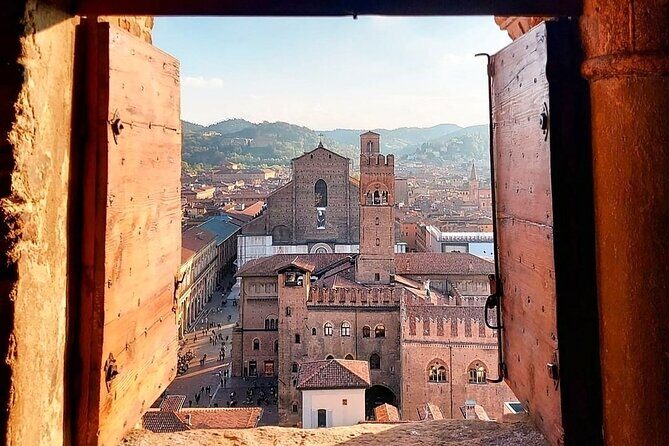
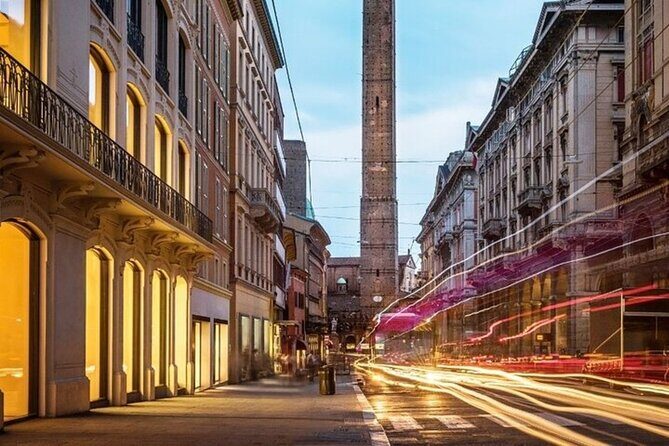
Bologna can look “just historic” at first glance—until someone points out what matters. This walk strings together public squares, market streets, and a signature Renaissance monument so the city reads like a story, not a checklist.
I especially like how the tour balances big-name sights with the everyday parts of Bologna—food shops, narrow streets, and the places locals use all the time. If you’re here for one day (or you’re saving your energy for later), it’s a strong use of your morning window.
Other historic centre and hidden gems tours in Bologna

Meeting Point and Timing: What You’re Really Planning For

The tour starts at 11:00 am at Piazza Minghetti, 2, at the Mercatino Regionale Francese. You end back at the same meeting point, so you can plan lunch right afterward without feeling stuck across town.
At about 1 hour 45 minutes, you’ll cover multiple stops without needing a full “half-day itinerary.” The schedule is structured in about 15–20 minute chunks per main area, with the last stretch including Archiginnasio di Bologna, plus a couple of additional stops kept as a surprise.
One practical note: even with a planned route, Bologna streets can be a little maze-like. If you’re the type who likes to revisit places later, keep maps open on your phone while you walk.
Piazza Minghetti: A Calm Opening with a Political Name
You begin at Piazza Minghetti, a square that feels welcoming and human-sized. It’s surrounded by historic buildings and greenery, and it offers a relaxed start before the tour moves into busier market lanes.
This square is named after Marco Minghetti, a prominent Italian statesman, and there’s a statue honoring him. That detail matters because it sets up the theme of the day: Bologna isn’t only art and architecture—it’s also civic life and public identity.
Why it’s a good first stop: it gives you a breather. Your brain catches up, and you get context for the rest of the walk.
Quadrilatero and Via Pescherie Vecchie: Bologna’s Food Streets on Foot

Next comes the heart of the city’s daily rhythm: the Quadrilatero and the historic street Via Pescherie Vecchie. This is where Bologna shifts from “sights” into “taste and texture.”
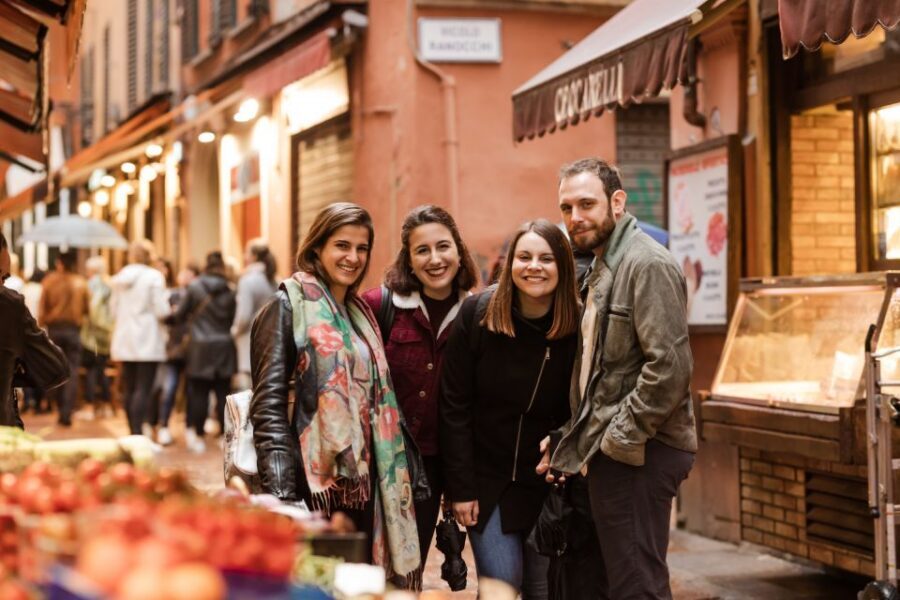
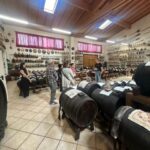
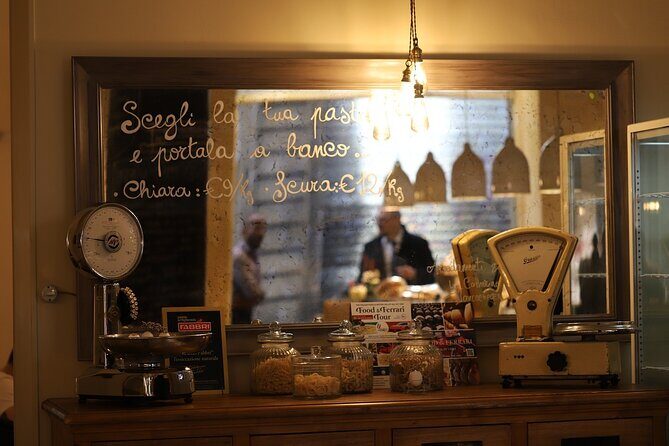
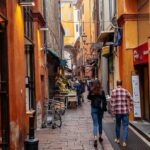
In the Quadrilatero area, you’ll move through narrow streets packed with traditional markets, artisan shops, and local eateries. The district has long been associated with commerce since medieval times, and the feel of it is still tied to that older trading energy.
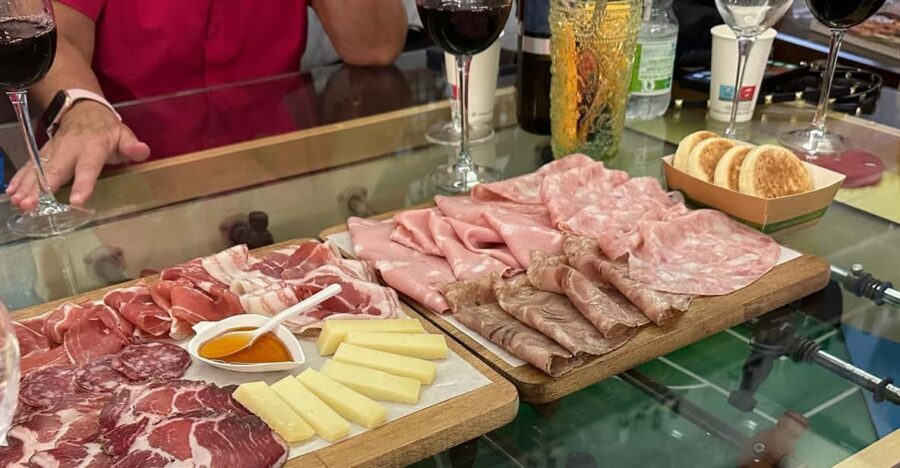
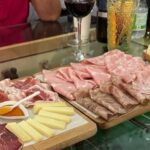
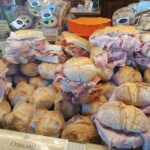
Then Via Pescherie Vecchie leans even harder into the food-side of Bologna. Expect an old-school market street lined with traditional stalls, butcher shops, and delicatessens, with items like seafood, meats, cheeses, and other local specialties. You’re not just looking—you’re seeing how food culture shapes the street layout and what shopfronts emphasize.
A realistic consideration: this part can make you hungry fast. If you’re planning to eat later, consider bringing patience—or better yet, decide early what you want to taste after the tour.
Neptune’s Fountain: Giambologna’s Renaissance Centerpiece
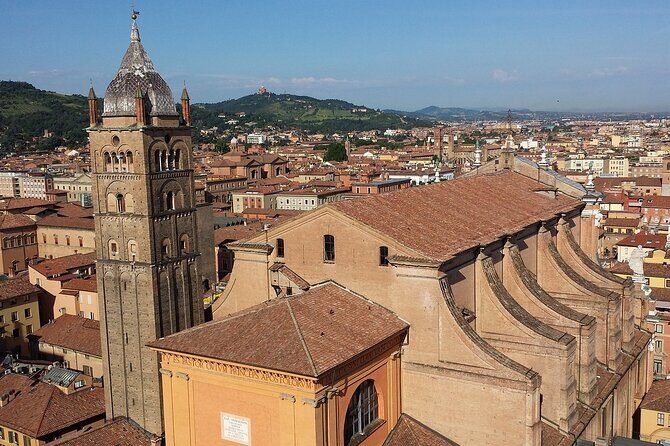
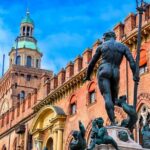
After the market lanes, you’ll hit a landmark that anchors Bologna’s skyline: Neptune’s Fountain (Fontana di Nettuno). The fountain is a Renaissance monument made in the 16th century by sculptor Giambologna, and it’s dominated by a towering bronze statue of Neptune.
This stop works because the guide doesn’t just point at the big figure. You get the sense that the fountain is both art and symbol—Roman in theme, Renaissance in execution, and civic in placement. It’s the kind of spot where you can’t help but slow down, because the details pull you in.
Drawback to know: with a major central monument, you may face more foot traffic here than in the market lanes. If you’re taking photos, be ready for quick pauses and then a step forward when the crowd thins.
Other historical and art walking tours in Bologna

Piazza Maggiore: The City’s Stage for Public Life
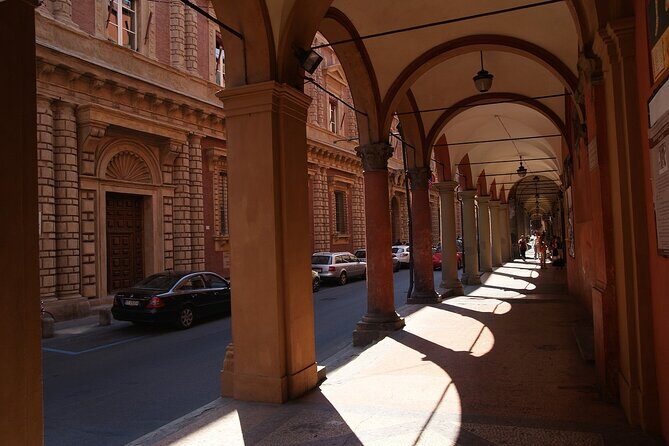
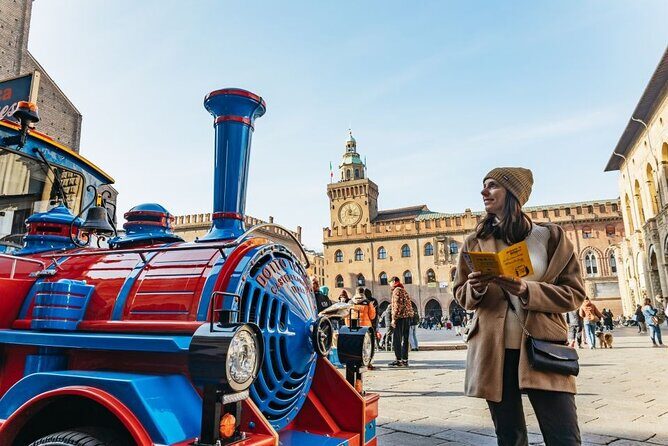
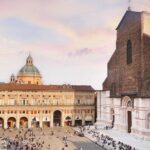
The tour then moves to Piazza Maggiore, Bologna’s main square. This is where you understand the city as a public space, not just a collection of buildings.
The square is surrounded by landmark architecture, including the Basilica of San Petronio and Palazzo d’Accursio. The setting also ties back to how Bologna’s social and political life worked in medieval times—this was a place where people gathered for more than sightseeing.
Even if you’ve only read about Bologna before arriving, standing here helps everything “click.” You start recognizing why other districts and streets matter: they lead you toward the places where decisions were made and community happened.
Archiginnasio di Bologna and the Final Surprise Stops
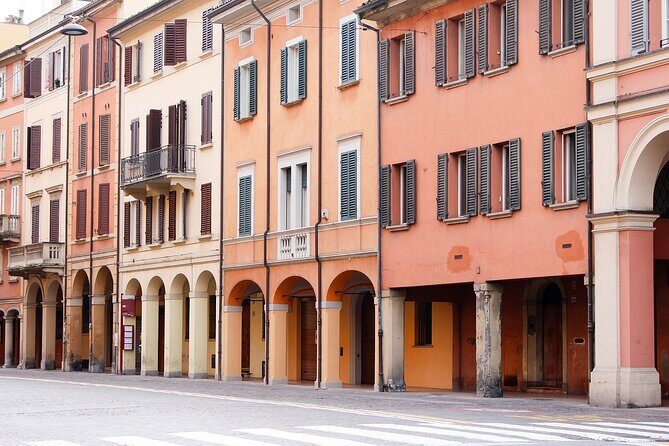
In the last stretch, you’ll reach Archiginnasio di Bologna. The tour also mentions additional stops along the way that are kept as a surprise, which is a smart way to keep your attention on the route instead of scanning your phone the whole time.
Archiginnasio is a name you’ll hear if you start reading about Bologna’s identity as a learning city. Even without extra details beyond the visit being part of the plan, the location fits the tour’s pattern: it ends by moving from major public spaces and street life toward a spot tied to Bologna’s long-term influence.
Practical tip: this is a good time to ask your guide what to do next. Short tours give you momentum, but you still need a plan for the rest of your day.
Your Guide Frederik: The Stories That Make the Walk Feel Personal
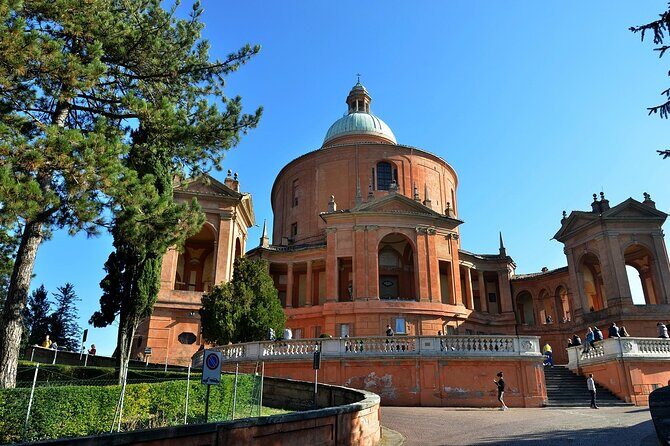
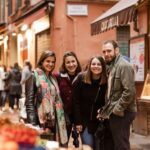
A huge reason this tour scores so high is the guide. Reviews point again and again to Frederik, describing him as cheerful, entertaining, and strong at connecting history, culture, and food.
What I take from that pattern is simple: the guide is not using Bologna as a script. He’s using it as a puzzle—calling out small details you might walk past—so you leave with a more textured memory than a photo album.
Also, he’s responsive to questions. If you’re curious about what to eat, what a street means, or why a monument looks the way it does, you’ll likely get a clear answer without feeling rushed. One review also highlighted how the guide kept the tour moving and interesting despite heavy rain, which tells me the experience isn’t dependent on perfect weather.
Price and Value: Is $36 Worth It?
At $36.00 per person for about 1 hour 45 minutes, this is priced like a “smart add-on” rather than a full-day commitment. The key value isn’t the number of stops—it’s what you get from a professional guide in a short window.
Here’s what you’re paying for, based on what’s included:
- a professional tour guide
- a structured walking loop through major sights and food streets
- mobile ticket
- small group size (maximum 15 travelers)
You’ll also notice that the listed stops have admission tickets free. That matters because Bologna can be expensive once you start stacking ticketed sights. This tour is designed so you can enjoy the main public landmarks and street districts without worrying about paying for each one.
What to Pack and How to Walk It Smoothly
Since the tour is mostly walking through historic streets, comfort matters more than “tour clothes.”
Bring:
- comfortable shoes with grip (Bologna sidewalks can be uneven)
- a rain layer, especially if you’re traveling in months where storms pop up
- your phone for maps and last-minute food detours
If you’re hoping to shop or eat during the tour, keep it realistic. The route is timed, so you’ll get windows for sights and street viewing, not long leisurely shopping sessions at every stall. Plan to do the deeper food browsing after you’ve finished—especially in the Quadrilatero area.
And about that map request from one review: you won’t always feel like you can instantly retrace every turn. Your best move is to take a quick screenshot of your route on your maps app before you start.
Who This Tour Fits Best (and Who Might Want Something Else)
This is a great choice if:
- it’s your first time in Bologna and you want orientation plus highlights
- you want your tour to include food-focused streets (Quadrilatero and Via Pescherie Vecchie)
- you like guided storytelling more than wandering alone
- you prefer a smaller group feel
You might want a different style of tour if:
- you hate walking and want minimal time on your feet
- you’re specifically hunting for ticketed museum interiors (this one is built around public sights and street areas)
- you want lots of long breaks to eat and shop during the tour itself
For most people, though, it’s an efficient way to turn a city day into a clear path.
Quick “After the Tour” Plan
Because it returns you to the starting area at Piazza Minghetti, you can keep moving without a complicated commute. A good approach is:
- pick one food street to revisit (Quadrilatero is an easy second pass)
- choose one square-side monument to linger near for photos
- then move into a longer lunch or aperitivo session once you’re back in your rhythm
If it rained, still do a second round—Bologna often looks extra beautiful after a storm, and the markets can feel more personal when the crowd density changes.
Should You Book This Bologna Walking Tour?
Yes, I’d book it if you want a short, well-paced Bologna day that mixes major landmarks with the parts of the city you’ll remember for food and street life. The guide Frederik seems to be the standout—cheerful, story-driven, and good at pointing out details that make the city feel smarter than it looks.
I’d skip it only if your top priority is long, ticketed indoor attractions or if you need a tour that leaves lots of downtime built in. For first-timers, food lovers, and anyone who wants a confident starting base for exploring the rest of Bologna, this tour is a strong value at $36 with free-admission stops and a small group size.
FAQ
How long is the Bologna walking tour?
It lasts about 1 hour 45 minutes.
How much does the tour cost?
The price is $36.00 per person.
What language is the tour offered in?
The tour is offered in English.
Where does the tour start?
It starts at Piazza Minghetti, 2, 40124 Bologna BO, Italy (at Mercatino Regionale Francese).
Where does the tour end?
The activity ends back at the meeting point (Piazza Minghetti area).
Is a mobile ticket used?
Yes, it uses a mobile ticket.
How big is the group?
The maximum group size is 15 travelers.
Are there admission fees for the stops?
The stops listed on the tour are marked as admission ticket free.
Are service animals allowed?
Yes, service animals are allowed.
What’s the cancellation policy?
You can cancel for a full refund up to 24 hours in advance of the experience start time. If you cancel less than 24 hours before, the amount paid won’t be refunded.