REVIEW · BOLOGNA
Bologna: Tagliatella and Mortadella with chef Antonio
Book on GetYourGuide →Operated by bolognafoodbrand · Bookable on GetYourGuide
Bologna shows up in a pot. In Antonio’s kitchen, you learn handmade tagliatelle and the real Bolognese ragù in a small group, with stories and wine.
I like that the class feels personal, not like a factory tour. You start with an aperitivo of Mortadella and Prosecco, then you roll, cut, and cook your way to dinner, but the lab is on the third floor with no elevator.
In This Review
- Key things to know before you go
- A home-kitchen Bologna evening with Chef Antonio
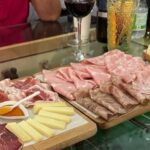
- Mortadella and Prosecco aperitivo: more than a snack
- Making handmade tagliatelle: the real skill is consistency
- What to focus on while you’re cutting
- The Bolognese ragù: why technique beats speed
- How ragù changes the whole dish
- Wine, water, and how the evening flows
- Location near Bologna station and Piazza Maggiore
- What you get for $92: the value math that actually matters
- Who should book this class (and who should ask questions first)
- Should you book Antonio’s Bologna tagliatelle and ragù class?
- FAQ
- How long is the cooking class?
- Is the class taught in English?
- What group size is it?
- What food and drinks are included?
- Where is the meeting point?
- Is there an elevator at the lab?
Key things to know before you go
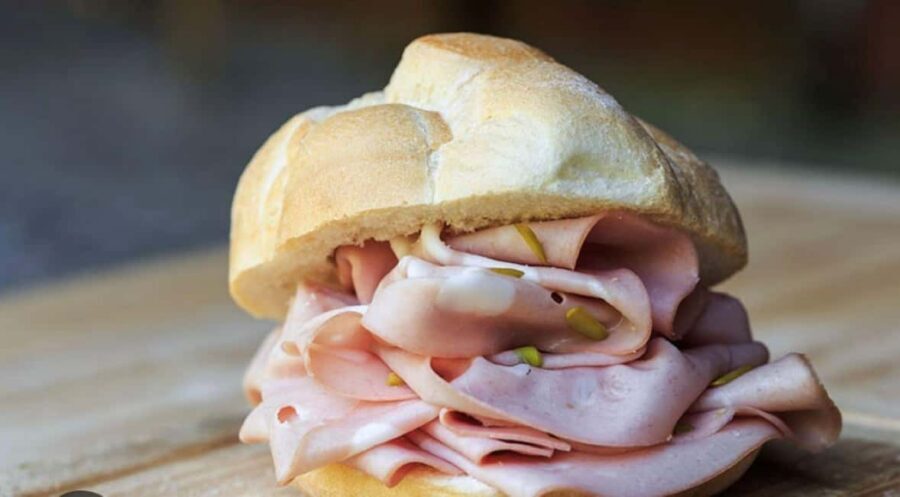
- Mortadella + Prosecco aperitivo starts the evening the right way
- Handmade tagliatelle instruction with step-by-step guidance
- Classic Bolognese ragù techniques you can recreate at home
- Small group size (up to 4) for real attention, not crowd math
- Wine included alongside water during the session
- Recipe sharing at the end so you can cook again later
A home-kitchen Bologna evening with Chef Antonio
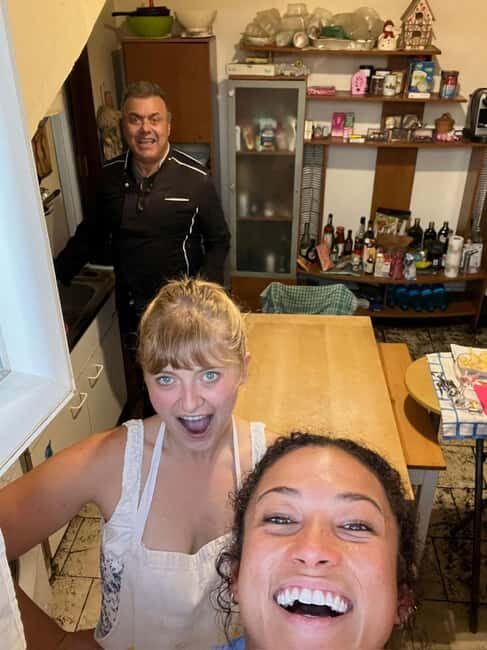
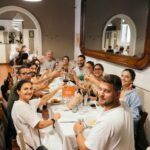
This cooking class is the kind of experience you remember because it feels like someone’s routine, not a show for tourists. You’ll be in Antonio’s own space, with his tools close at hand and the rhythm of an actual Bolognese meal: talk, prep, taste, adjust, then eat.
The big draw here is the combination of technique and tradition. You’re not just watching pasta happen; you’re making tagliatelle and learning the ragù that turns simple pasta into Bologna comfort food. With a small group (limited to 4), you also get enough time to ask questions and correct your approach.
One heads-up: while the mood is friendly and lively, the setting is home-style. If you’re expecting a spotless cooking studio with a staged setup, you might feel surprised by the apartment-lab feel and the third-floor location.
If you're still narrowing it down, here are other tours in Bologna we've reviewed.
Mortadella and Prosecco aperitivo: more than a snack
You don’t start with flour. You start with an aperitivo: Mortadella paired with Prosecco. It’s a very Bologna-style welcome, short and practical, meant to loosen the nerves and get your taste buds ready.
This first moment matters because it sets pacing. When you taste early, you cook smarter. You begin to understand how salt, fat, and wine brightness work together, and you’ll bring that sense of balance into the pasta and sauce later.
It also keeps the evening social. Antonio brings stories as you settle in, and you’ll notice how eating in Italy often means you talk while you cook, not after you’re done.
Making handmade tagliatelle: the real skill is consistency
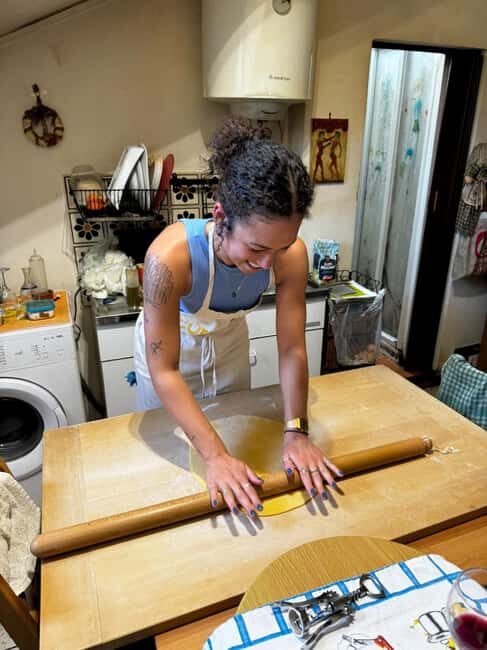
Tagliatelle sounds simple until you make it. The learning curve is mostly about consistency: the dough should be elastic, the thickness should be even, and the cut should be clean enough that sauce clings instead of slides off.
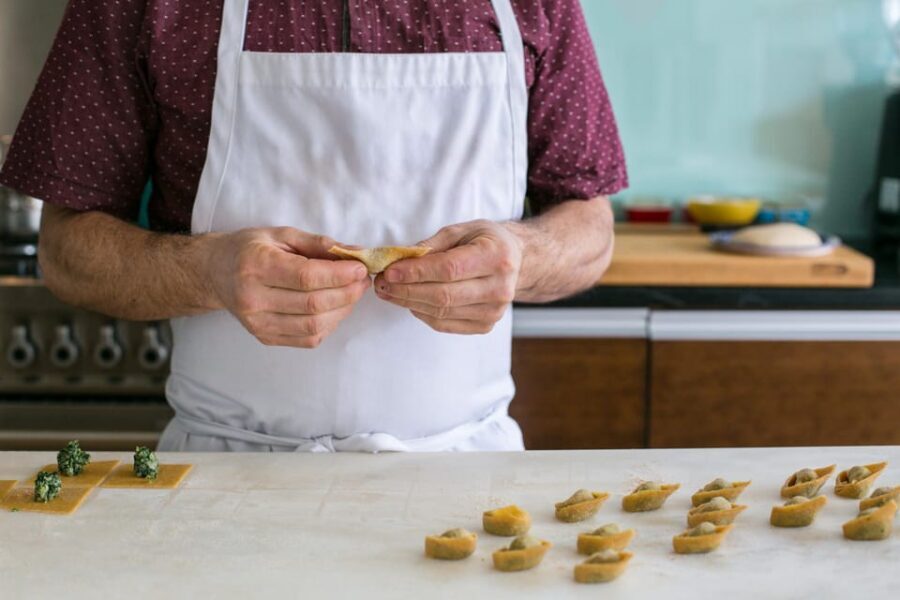
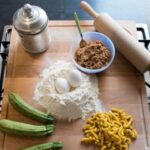
In this class, you’ll go through the steps of handmade pasta: mixing the dough, rolling it, and cutting it into tagliatelle. The point isn’t perfection on the first try. It’s learning what to look for and what to adjust when the dough feels sticky, tough, or uneven.
I like that the pacing gives you a chance to practice rather than just listen. With a group capped at 4, you’re less likely to be stuck waiting for your turn. And if someone’s timing is slow, you won’t disappear into the background of a big class.
What to focus on while you’re cutting
- Aim for even thickness while rolling, since it affects how the pasta cooks
- Keep the cut steady, so the strands stay uniform
- Watch the dough texture; small changes can make a big difference
If you prefer a class that’s fully hands-on from start to finish, this one is designed for that. That said, one person did feel the experience leaned more toward demonstration than full participation. If hands-on practice is your number-one goal, ask directly how active you’ll be during each step.
The Bolognese ragù: why technique beats speed
Bolognese ragù isn’t a fast sauce. It’s a patient one. You’ll learn how to prepare the classic ragù so it becomes rich and cohesive without turning oily or grainy.
What you’re really training is how to build flavor and how to keep control while it simmers. Antonio shares personal tips and techniques tied to tradition, and he explains the process as something you can repeat at home, not just something that happens in a restaurant.
The payoff is huge: ragù is the bridge between your work and your meal. When you taste your own sauce with pasta you made, you’ll understand why Italians argue about the details. The lesson is more about method than about one magical ingredient.

How ragù changes the whole dish
Even if your pasta isn’t perfect, good ragù can save the plate. That’s why learning ragù feels like learning the backbone of Bolognese cooking. Once you know how the sauce should taste and look, you can correct future batches with confidence.
Wine, water, and how the evening flows
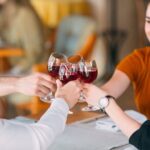
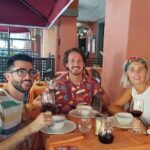
You’ll have water and a carefully selected bottle of red wine during the experience. There’s also the Prosecco in the opener. This isn’t just for sipping; it supports pacing and turns the class into a proper meal experience.
Expect a flow that alternates between cooking tasks and tasting moments. Antonio’s energy is part of the structure. He tells entertaining stories, and the kitchen conversation helps you stay relaxed while you work with dough and hot sauce.
In a small setup like this, the room temperature, timing, and who’s doing what all matter. If someone arrives late, it can shift the schedule since the group is small and the meal still needs to get cooked and served. So build in a little buffer if you’re combining this with other Bologna plans.
Location near Bologna station and Piazza Maggiore
The meeting point is close to Bologna’s train station—about 1 km from Piazza Maggiore, and also near Piazza dell’Unità. From the center, buses 11 and 27 can get you to the area, which is handy if you’re not in the mood to walk long.
The practical detail people sometimes forget: the lab is on the third floor, and there’s no elevator. If you have mobility issues or heavy luggage, plan for stairs ahead of time. Even if you’re fine on your feet, you’ll want to arrive with enough energy left for a pasta workout.
This location is great for two reasons. First, it’s easy to pair with a morning or afternoon in the central sights. Second, being near Piazza Maggiore means you can head back out after dinner without turning the night into a long transit project.
What you get for $92: the value math that actually matters
At $92 per person for a 3-hour class, the price can look steep until you look at what’s included and what you learn.
Here’s the value breakdown that makes sense in real life:
- Food and drinks included: Mortadella + Prosecco at the start, plus water and red wine during the session
- Hands-on cooking: you learn tagliatelle and ragù, not just a lecture
- Recipes included at the end, so you can repeat the experience at home
- Small group size (up to 4), which tends to improve teaching time and attention
If you’ve taken bigger classes before, you know the tradeoff: you pay less sometimes, but you also get less time with the instructor. Here, the high-touch format is part of the cost, and it’s what helps you leave with skills you can use.
One more note: because the setting is in a personal kitchen space, the experience can feel more “local evening” than “premium cooking school.” That’s either charming or disappointing depending on what you expected. If you value authenticity over polish, the price starts to make more sense.
Who should book this class (and who should ask questions first)
This works best if you want a true food-focused Bologna evening and you’re excited to cook. If you enjoy pasta-making, care about how ragù texture forms, and like learning the why behind the how, you’ll probably love it.
It’s also a good fit for couples, small groups of friends, or solo diners who like an intimate format and don’t mind that the kitchen is more apartment-style than restaurant-style.
Before booking, I’d ask one extra question if any of these apply:
- You need the class to be fully hands-on at every stage. (There’s a chance parts feel more like demonstration depending on the group flow.)
- You’re sensitive to cleanliness expectations in a smaller home setting.
- You can’t do stairs comfortably. (Third floor, no elevator.)
Should you book Antonio’s Bologna tagliatelle and ragù class?
If you want a small, personal cooking class in Bologna’s center area, this is an easy yes. The main reason is simple: you’re learning two core skills—handmade tagliatelle and classic Bolognese ragù—and you get the recipes to take home. Add in the Mortadella and Prosecco aperitivo, plus wine with the meal, and you have a full evening, not a quick snack-and-learn.
I’d hesitate only if your top priority is a polished, hotel-style kitchen experience, or if you strongly need full participation at every step. Also, be honest about stairs; the third-floor location can be a dealbreaker.
If you’re aiming for an authentic Bologna meal in a real kitchen, this one fits the bill.
FAQ
How long is the cooking class?
The experience lasts 3 hours.
Is the class taught in English?
Yes. The instructor teaches in English.
What group size is it?
It’s a small group limited to 4 participants.
What food and drinks are included?
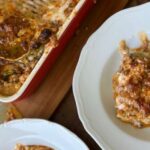
You’ll start with an aperitivo featuring Mortadella and Prosecco. During the experience you’ll have water and a carefully selected bottle of red wine, and you’ll eat what you prepare (handmade tagliatelle with Bolognese ragù). Recipes for everything you make are shared at the end.
Where is the meeting point?
The lab is very close to the train station of Bologna and about 1 km from Piazza Maggiore. It’s also near Piazza dell’Unità, with bus routes 11 and 27 available from the center.
Is there an elevator at the lab?
No. The lab is on the third floor and does not have an elevator.