REVIEW · BOLOGNA
Cesarine: Private Pasta Class & Meal at Local’s Home in Bologna
Book on Viator →Operated by Cesarine: Cooking Class · Bookable on Viator
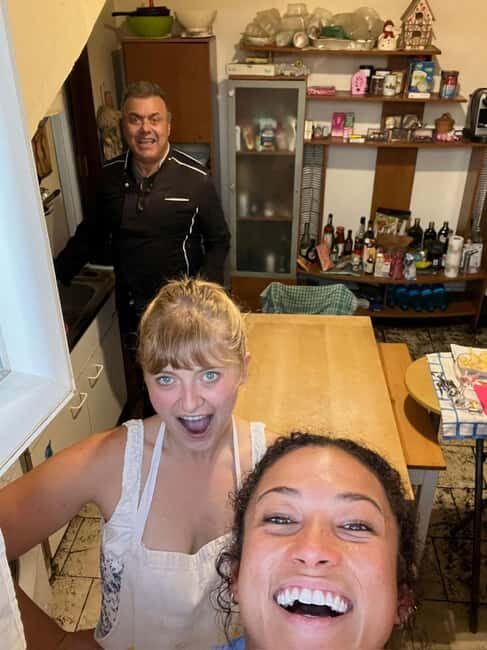
Your hands will make dinner in Bologna. This private pasta class happens in a local’s home kitchen, so you get a real feel for how food life works in Bologna, not a staged demo. I love the warm host energy and the informal, chat-as-you-cook vibe that makes the whole thing feel personal.
The other big win is learning fresh pasta techniques you can repeat at home, not just tasting great food. One thing to plan for: meeting points can get a bit tricky in residential streets, so confirm details early and don’t be shy about texting if you’re unsure.
In This Review
- Key highlights in plain language
- Why a private pasta lesson in Bologna feels like visiting friends
- The 3-hour flow: what happens before you eat
- The fresh pasta skills you’ll actually use back home
- Tortellini, tagliatelle, and other Bologna favorites: what you might make
- Wine and the sit-down meal: the part that makes it feel worth it
- Price and logistics: is $119.73 a good value?
- Who should book this class in Bologna (and who might skip)
- Should you book Cesarine’s private pasta class?
- FAQ
- What is the duration of the pasta class?
- Is this a private experience?
- What languages are offered?
- What will I make and eat?
- What kinds of pasta might be included?
- Is there free cancellation?
- Is it near public transportation?
- Are service animals allowed?
Key highlights in plain language
- Private class in a real Bologna home with only your group
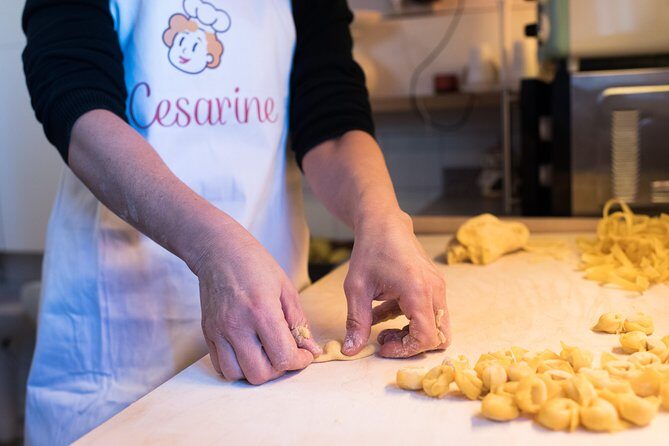
- Three regional pasta recipes built from scratch, plus tips you’ll use later
- Hands-on instruction (rolling, shaping, and getting the texture right)
- Lunch or dinner featuring what you made, paired with local wines
- English is supported, and some hosts may use a translator if needed
Why a private pasta lesson in Bologna feels like visiting friends
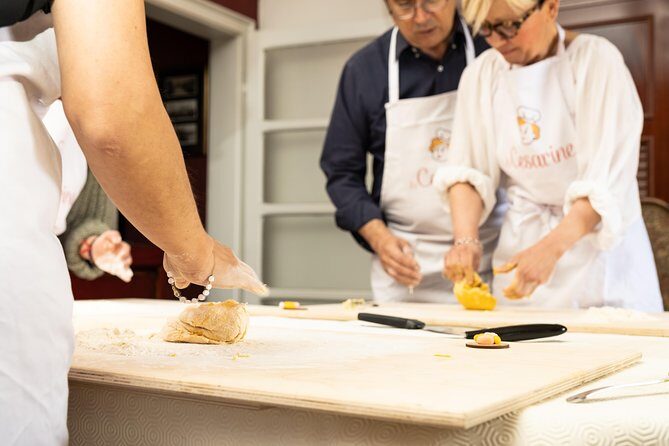
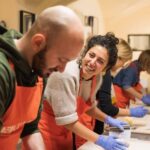
Bologna is famous for pasta, but most “pasta experiences” still feel like you’re watching someone else do the work. This one flips that. It’s a private lesson in a local home, so you’re right inside the kitchen where meals are actually made—messy counters, flour in the air, and all.
I also love that it’s not just about the final dish. You learn the thinking behind it: dough feel, thickness, cooking times, and how regional recipes depend on simple ingredients done precisely. In places like Emilia-Romagna, pasta isn’t treated like a side. It’s treated like the main event.
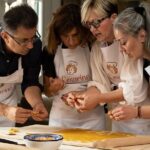
And because the class is private, you can move at a human pace. If you need extra help with shaping tortellini, you can ask. If you want to understand why one filling behaves differently, your host can slow down and explain.
Other private guided tours in Bologna
The 3-hour flow: what happens before you eat
The total time runs about 3 hours, and it ends back where you meet. You’re not given a public-theater schedule that you rush through. Instead, you typically get a kitchen-based rhythm: prep, making, cooking, then sitting down to eat.
Here’s the usual shape of the experience:
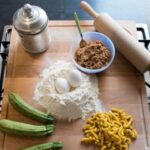
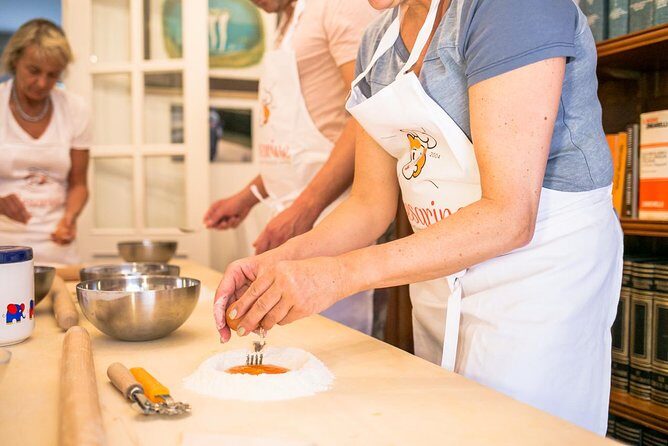
- You start with the basics of fresh pasta dough: ingredients, how it should look, and what to do when it’s too sticky or too dry.
- Then you work your way through the three regional pasta recipes. Your host guides you step-by-step, and you do the shaping and assembly.
- Finally, you eat lunch or dinner with the pasta you made, plus a selection of local wines.
One practical point: the class is designed so you do real work. So wear clothes you don’t mind getting flour on, and expect to be busy the whole time. This isn’t a sit-and-watch event.
The fresh pasta skills you’ll actually use back home
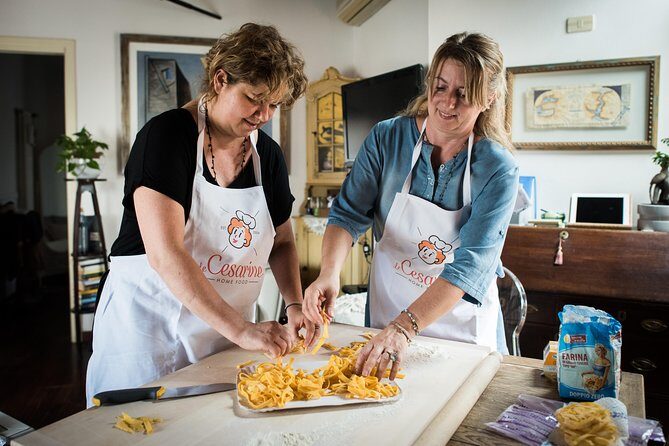
What makes this lesson valuable is that you’re not only learning recipes—you’re learning technique. Fresh pasta has a few “touch points” that matter more than memorizing ingredient lists.
During your session, focus on these skill areas:
- Dough feel and timing. You’ll learn how the dough changes as you knead and rest it, and why resting helps.
- Rolling to the right thickness. Too thick and it eats heavy; too thin and it can get fragile. Your host will show what to look for as you roll.
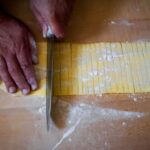
- Shaping confidence. Whether you’re working with filled pasta like tortellini or shaping ribbon pasta like tagliatelle, the goal is the same: consistent size so cooking is even.
- Cooking pasta properly. Fresh pasta cooks faster than dried. If you nail the boil and timing, you get that tender bite that Bologna is known for.
If you’re brand-new to pasta making, you’ll likely appreciate how patient the teaching can be. Hosts are often described as warm, funny, and willing to repeat steps until it clicks—exactly what you want when you’re learning something hands-on.
Tortellini, tagliatelle, and other Bologna favorites: what you might make
Your session is built around three regional pasta recipes. Depending on the class and the instructor, the menu commonly centers on favorites like:
- Tortellini
- Lasagne or tortelloni
- Tagliatelle
- Gramigna
- Strichetti
- Balanzoni
This matters because Bologna pasta isn’t one-size-fits-all. Tortellini (especially) requires a specific approach to filling and sealing. Tagliatelle is more about rolling and cutting evenly so the ribbons cook with the same timing.
In some classes, hosts go a step further with extra comfort-food components. For example, you may hear about guidance for sauces like ragù-style fillings or other classic pairings, and some instructors add a dessert course such as tiramisu. Treat that as a bonus if it happens during your date—it’s not the core of the experience—but it does show how seriously these home kitchens take the meal.
Wine and the sit-down meal: the part that makes it feel worth it
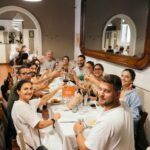
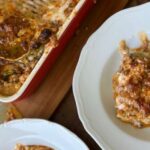
In Bologna, learning pasta without eating it is like learning guitar without playing a song. Here, you finish with lunch or dinner featuring the pasta you made, along with local wines.
This is where the lesson turns into a full experience. You get to taste your own work while it’s still fresh in your mind. And pairing wine with your meal makes it easier to connect flavors to the pasta shape and sauce choices—exactly the kind of link you want when you cook again later.
If you care about food pairing, take a moment during the meal to pay attention. Notice how a richer pasta or filled pasta lands with a particular wine. That kind of small observation is the difference between cooking pasta and learning Bologna-style meals.
Other pasta making classes in Bologna

Price and logistics: is $119.73 a good value?
At about $119.73 per person for roughly 3 hours, the price makes sense when you zoom out.
You’re paying for:
- a private class (not a crowded group where your hands wait their turn),
- instruction from a home cook in their own kitchen,
- and a meal afterward, including local wines.
Also, the class isn’t generic. You’re making three regional pasta recipes from scratch. That’s real output. You leave fed, and you leave with technique, not just a photo moment.
Where value can drop is logistics. One low point mentioned in the overall feedback is that meeting-location confusion can happen in residential areas. So if the meeting point isn’t crystal clear, message early and confirm details so you’re not stressed at the start. A calm start helps you learn faster.
Who should book this class in Bologna (and who might skip)
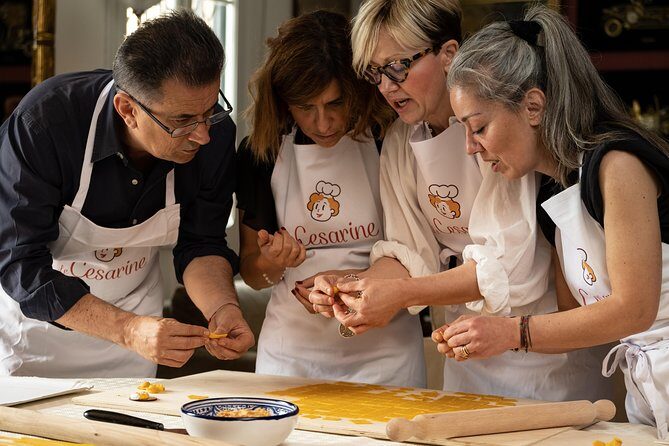
This is a strong fit if:
- you want hands-on cooking, not watching,
- you like intimate experiences with a local host,
- you’re excited by Bologna-specific pasta styles,
- and you’re the type who actually wants to repeat recipes at home.
It’s also great for people who consider themselves novices. Multiple instructors are described as patient and supportive, and the experience is set up so you learn by doing.
You might choose something else if:
- you hate navigating apartment-like meeting points,
- you only want light food tasting with minimal cooking,
- or you’re looking for a big guided-group sightseeing package (this is a home-kitchen focus, not a tour of landmarks).
Should you book Cesarine’s private pasta class?
Yes—if you want a Bologna experience that feels real. This is one of those rare activities where your effort turns into dinner, and dinner turns into a skill you can use later.
Before you go, do two simple things:
- plan to arrive a little early and confirm meeting details in advance,
- and treat the class like it’s work in the best way—wear comfy clothes and bring hunger.
If you enjoy learning recipes you’ll repeat (not just eat once), this is an excellent use of your time in Bologna.
FAQ
What is the duration of the pasta class?
The class lasts about 3 hours.
Is this a private experience?
Yes. It’s listed as private, so only your group participates.
What languages are offered?
The experience is offered in English.
What will I make and eat?
You’ll prepare three regional pasta recipes and then have a lunch or dinner featuring the pasta you made, along with a selection of local wines.
What kinds of pasta might be included?
Depending on the class, the menu may include items such as tortellini, lasagne, tortelloni, tagliatelle, gramigna, strichetti, or balanzoni.
Is there free cancellation?
Yes. You can cancel for a full refund if you do it at least 24 hours in advance.
Is it near public transportation?
Yes. The meeting area is described as being near public transportation.
Are service animals allowed?
Yes. Service animals are allowed.