REVIEW · BOLOGNA
Bologna: Food and Wine Tasting with Interactive Game
Book on GetYourGuide →Operated by Bottega botlé · Bookable on GetYourGuide
Three glasses of wine plus a quiz.
That is the core idea behind this Bologna food and wine tasting in Emilia-Romagna, where you don’t just drink-you learn through pairing and play. I love the mix of expert-led tastings and classic Bologna bites, and I especially like the Sommelier Game that turns your senses into the whole challenge. One thing to consider: many sessions run in a wine bar setting, so if you go later in the day you may notice less privacy than a quiet dining room.
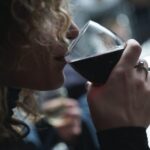
I also like that you taste a tight, meaningful flight of regional styles instead of random pours. Pignoletto leads, then two Sangiovese expressions show how different aging and winemaking choices change the glass. If you’re the kind of person who wants a long sit-down meal and endless refills, this format is more “guided sampling with a smart payoff” than a full-on dinner crawl.
In This Review
- Key Points You Should Know Before You Go
- Why This Bologna Wine Tasting Feels Different Than a Typical Pour-and-Go
- Your Host Team in a Small Group: From Massimo to Ixchel and Beyond
- The Three-Glass Flight: Pignoletto, Sangiovese In Purezza, and Appassimento
- Food Valley Pairings: Prosciutto, Mortadella, Parmigiano, and the Rest
- How the Tablet Sommelier Game Works (and Why It’s Not Just a Gimmick)
- Rewine Technology: Personalized Recommendations While You Taste
- What You’ll Notice Most: Balsamic Age and the Bologna Staples
- Timing, Groups, and What $34 Buys You
- Where It Fits in Your Bologna Plan
- Should You Book This Bologna Food and Wine Tasting With the Sommelier Game?
- FAQ
- FAQ
- What wines are included in the tasting?
- How much wine will I drink?
- What food will be included?
- Do I play a game during the tasting?
- Is the group small?
- What languages are available?
- Is it possible to keep tasting after the main session?
- Is the experience wheelchair accessible?
Key Points You Should Know Before You Go
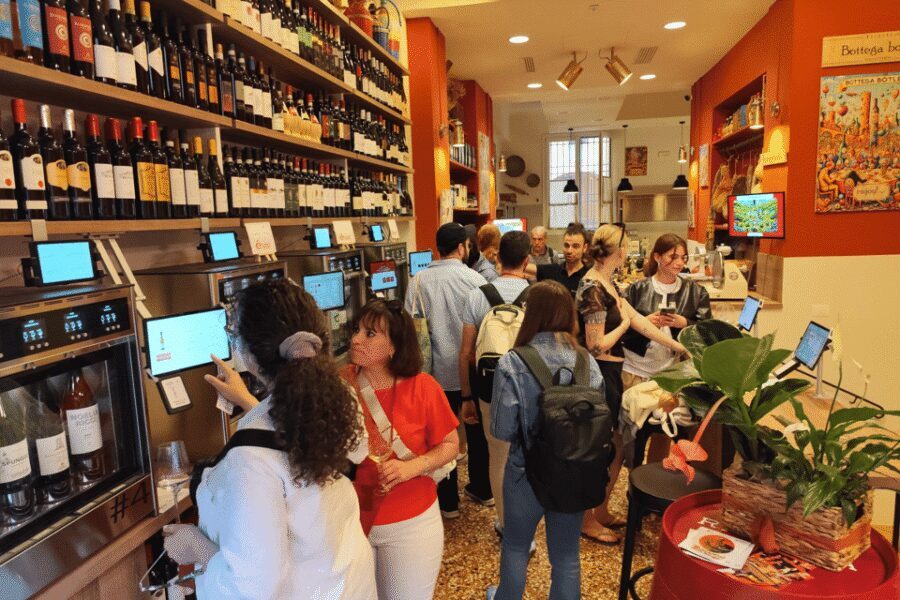
- Three regional wines: Pignoletto, Sangiovese In Purezza, and Sangiovese Appassimento
- Bologna Food Valley pairings: prosciutto crudo, mortadella, Parmigiano Reggiano, balsamic, and more
- Tablet-based Sommelier Game that trains sight, smell, and taste without taking itself too seriously
- Rewine technology for tasting notes and personalized recommendations during your session
- Small group size (10 max), which keeps the experience social but not crowded
- A fridge magnet souvenir tied to an I.Art exhibition work
Why This Bologna Wine Tasting Feels Different Than a Typical Pour-and-Go
Most wine tastings in Italy are either super formal or super casual. This one finds a middle path: you get guidance for what to notice, then you test yourself with the Sommelier Game. It’s not a school exam. It’s a quick, friendly competition format that pushes you to pay attention to aroma, texture, and how food shifts what you think you tasted.
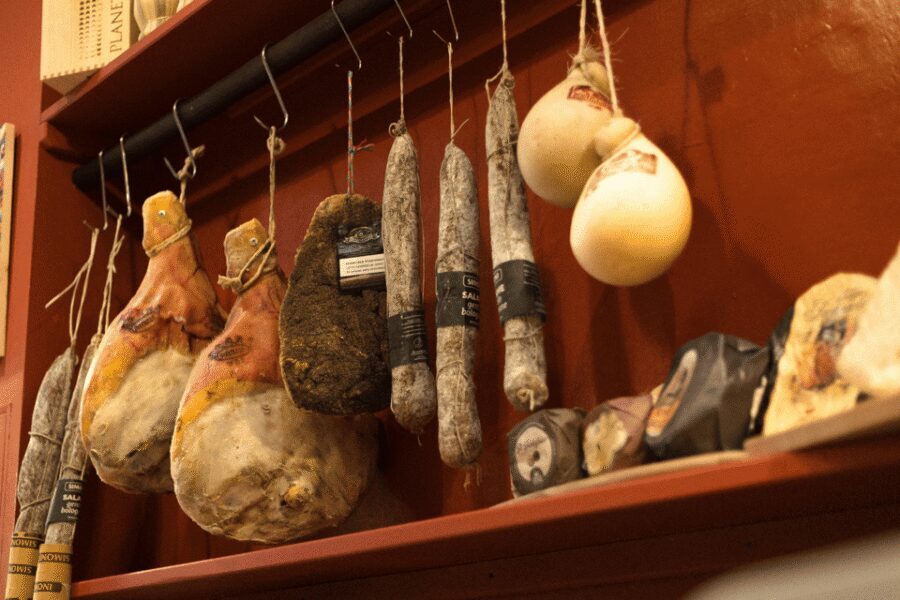
That matters in Bologna, because the local food is built to speak loudly. Mortadella brings fat and spice notes. Parmigiano adds nuttiness and salt. Aceto balsamico adds sweet-sour depth. When you taste wine alongside these, your brain has to work in real time. I like that the structure helps you understand the “why” instead of just collecting flavors.
You also get a souvenir at the end: an exclusive fridge magnet featuring a piece from the I.Art exhibition. It’s small, but it gives you something physical to remember what you actually tasted, not just where you went.
Other wine tastings we have reviewed in Bologna
Your Host Team in a Small Group: From Massimo to Ixchel and Beyond
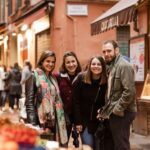
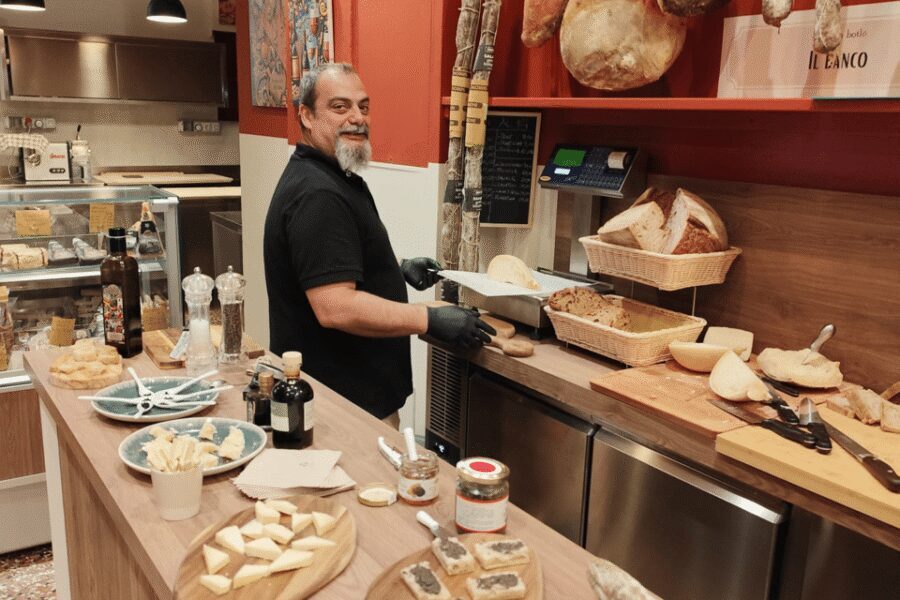
This experience runs as a small group capped at 10 participants, guided by an Italian or English host. Based on the way the team has been described, you can expect hosts who keep the mood open and chatty, with clear explanations while still moving at a good pace.
You may meet hosts such as Massimo and Ixchel, and the experience also has other guides who show up in bookings like Danilo and Claudio. The common thread is that they guide pairings with a practical, “try this, notice that” style. If you’re traveling solo, the small size helps you avoid that awkward feeling of standing at the edge while everyone else knows each other.
Language support is listed as Italian and English, so you should be able to follow along without guessing what terms mean. And the format is built for questions, which is helpful if you want more than one-size-fits-all pairing advice.
The Three-Glass Flight: Pignoletto, Sangiovese In Purezza, and Appassimento
The tasting is built around three wines, each one chosen to show a different side of Emilia-Romagna’s wine personality. You’ll taste:
- Pignoletto (Vallona winery)
- Sangiovese In Purezza (La Casetta winery)
- Sangiovese Appassimento (Santodeno winery)
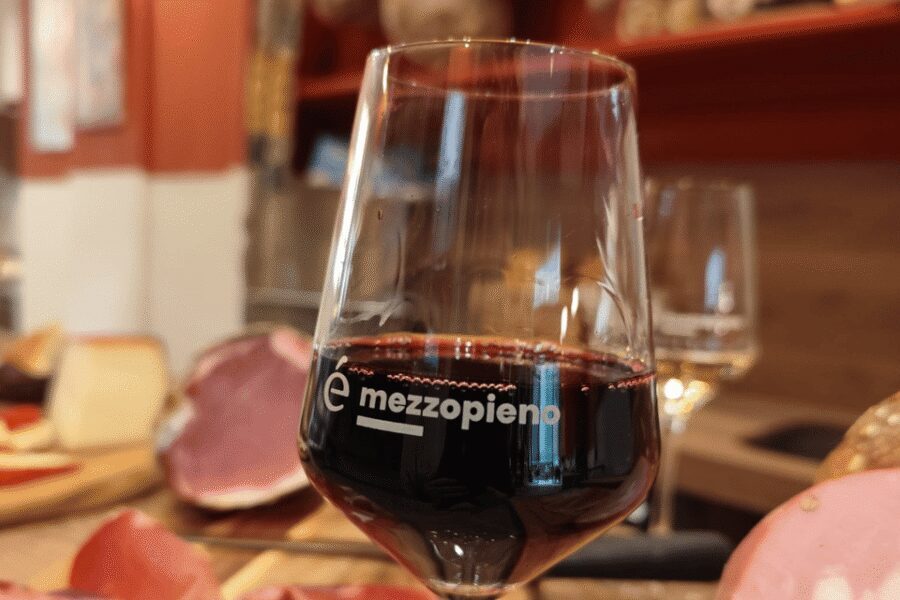
You start with Pignoletto, a local star that tends to feel more fresh and approachable than many red-first tastings. Then comes Sangiovese In Purezza, which is a way of keeping the focus on pure Sangiovese character. Finally, you try Sangiovese Appassimento, where the winemaking process uses dried grapes (appassimento). In plain terms, that style often brings more concentration and a different flavor tone than the more straightforward fresh expression.
What I like about tasting these back-to-back is that you can spot what changes when the winemaking choices change. By the third glass, you’re not just saying “I like this.” You’re learning to describe why it hits differently after the food courseings.
Sample size is also part of the value. You’re not stuck with a full pour of something you might not finish. The included amounts are listed as 70 ml for Pignoletto, 130 ml for Sangiovese In Purezza, and 70 ml for Sangiovese Appassito—enough to taste properly, without turning it into a marathon.
Food Valley Pairings: Prosciutto, Mortadella, Parmigiano, and the Rest
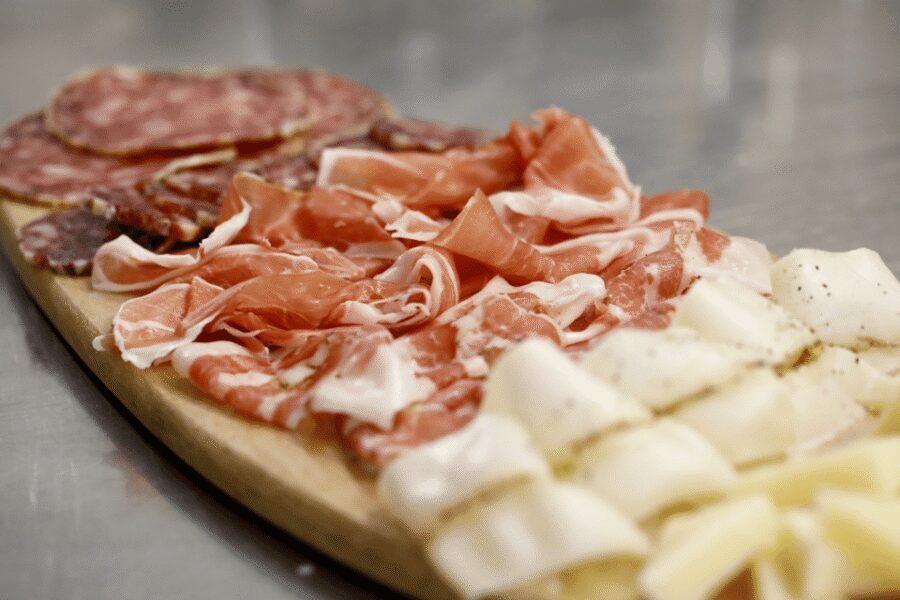
Wine in Bologna is only half the story. The included food tastings cover a “greatest hits” list of Emilia-Romagna comfort foods and pantry classics, designed to pair with what you’re tasting.
You’ll try:
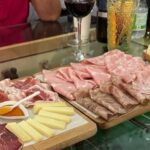
- Prosciutto Crudo
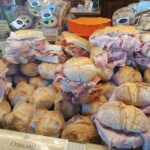
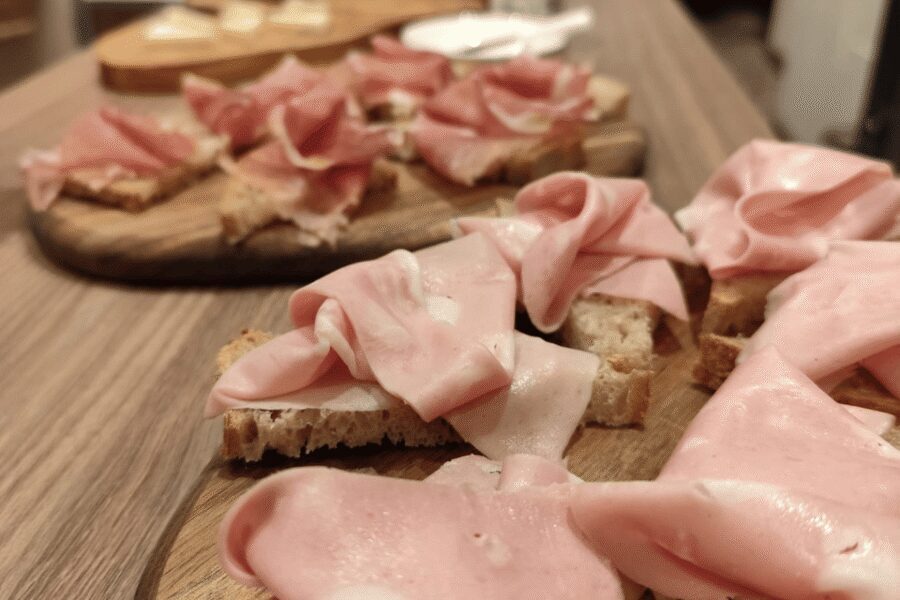
- Mortadella Bologna
- Parmigiano Reggiano (12/24 months range)
- Aceto Balsamico IGP di Modena
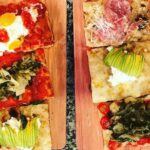
- Local cheese and food
- Monocultivar Oil: Coratina, Peranzana, Ogliarola
This is where the experience earns its keep. Bologna food has enough personality that it forces your palate to recalibrate. Fat from prosciutto and mortadella can soften tannins. Parmigiano’s salt and nutty notes can sharpen fruit perception. Balsamic adds sweetness and acidity that can make a wine feel brighter or more complex depending on the glass.
Then there’s the oil tasting. Sampling monocultivar olive oil varieties is a smart addition because it shows a different kind of flavor logic: you’re not pairing with “another bite,” you’re pairing with a product that has its own aromatic fingerprint. Coratina, Peranzana, and Ogliarola are all distinct, so even if you’re new to oil tasting, you can learn the difference between what you smell and what you taste.
If you love food markets and want to understand what makes Bologna tick, these pairings are the real teacher.
How the Tablet Sommelier Game Works (and Why It’s Not Just a Gimmick)
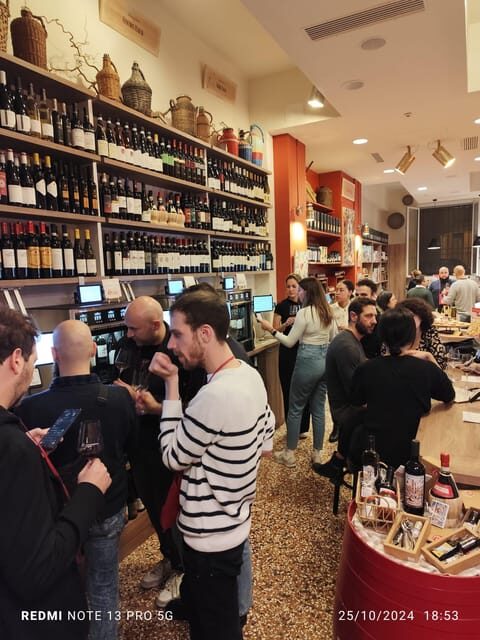
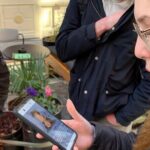
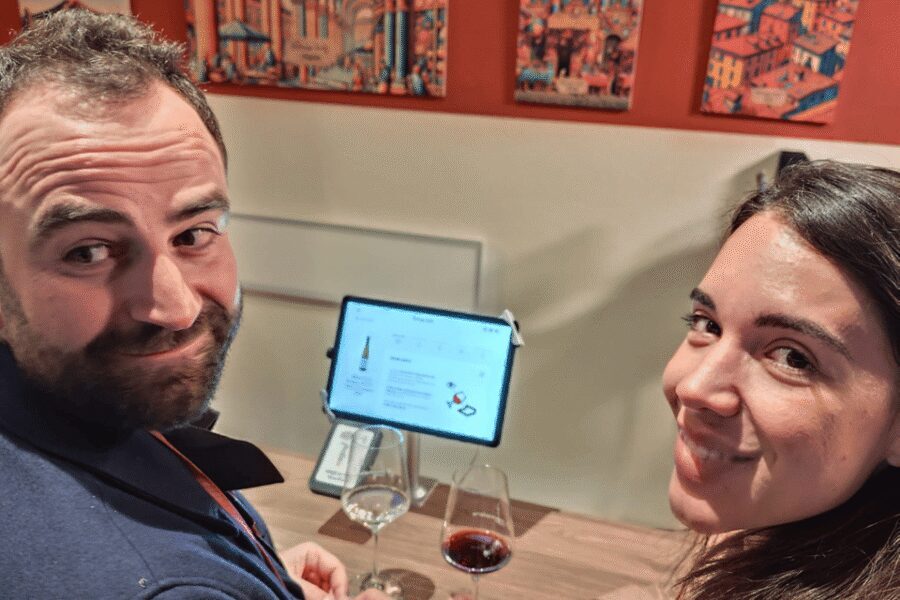
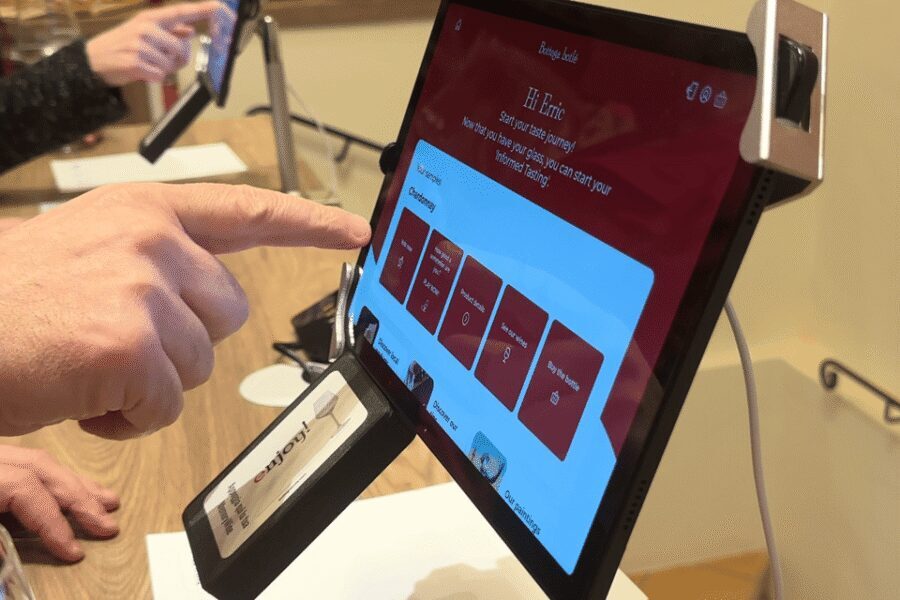
During the tasting, you’ll use tablets to play the SOMMELIER GAME. The idea is simple: you answer questions as you taste, then learn what traits you should have noticed. One review notes it’s built like a short series of questions and works even if you’re not a wine expert.
The game is also social. You can challenge friends and see who gets to the last question. It pushes you to look at the wine (sight), focus on aroma (smell), then confirm with taste. That sequence matters, because it prevents you from guessing based on first impressions only.
If you’re the type who likes to learn by doing, this part is probably your favorite. It turns passive sipping into active attention. And if you’re traveling with a partner, it gives you something shared that isn’t just “we both like this wine.”
Other food tours we have reviewed in Bologna


Rewine Technology: Personalized Recommendations While You Taste
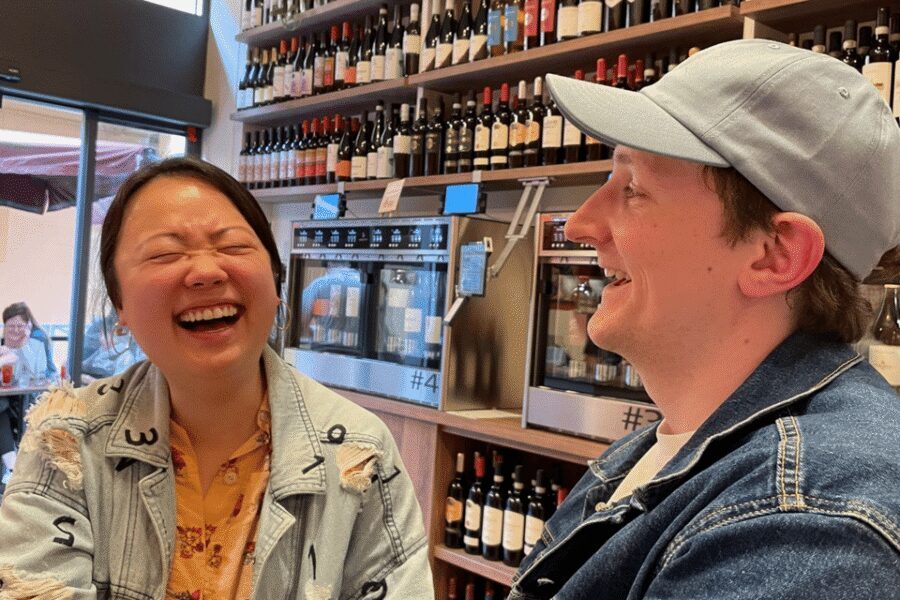
A standout detail in the experience info is Rewine technology, described as a way to taste, learn, and have fun with personalized recommendations. In practice, it means you’re not just getting a single scripted talk. The tasting experience is designed to respond to what you notice and what you enjoy.
For you, that’s useful because everyone’s palate starts from a different place. Some people jump toward sweeter, fruit-forward styles. Others care about acidity and structure. When the setup includes personalized recommendations, it helps you connect your preferences to the wine traits you just tasted.
The result is that your learning feels practical, not theoretical. You’re not memorizing terms to impress someone later. You’re building a mental “map” for how wine changes when food hits it.
What You’ll Notice Most: Balsamic Age and the Bologna Staples
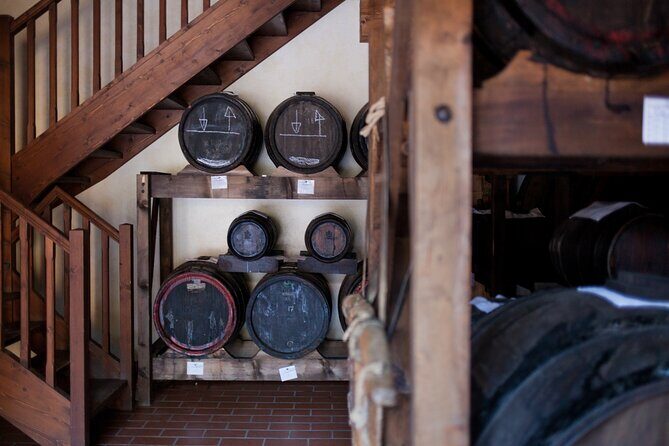
Balsamic vinegar is included (Aceto Balsamico IGP di Modena), and one booking specifically called out how impressive the longer-aged balsamic tasted. Even without quoting exact aging timelines beyond what’s listed for Parmigiano, the takeaway is clear: balsamic here isn’t treated as a background flavor. It’s a featured pairing.
If you’re used to balsamic as a dark drizzle, this is where you learn that it’s also a tasting ingredient. In a guided pairing, you notice how it affects perceived sweetness, acidity balance, and even how the wine finishes.
And Bologna staples like mortadella and Parmigiano don’t just add salt and fat. They change your interpretation. When a host explains how each pairing shifts the wine, you start to understand what locals mean when they say food and wine are designed to work together.
Timing, Groups, and What $34 Buys You
The experience is listed as 1 day, but the actual tasting runs about 90 minutes based on how the sessions are described. That’s a good length for a Bologna day, because it keeps you from losing most of your afternoon to one activity.
It’s also a small group (10 max), which helps the host keep pace and makes questions easier. And the price—$34 per person—feels fair when you look at what’s included. You get three wine tastings with specified volumes, a full set of food pairings, the tablet game, and the fridge magnet souvenir.
This isn’t a “buy a drink and wander around” kind of stop. It’s an organized tasting with structured learning built in. For the cost, you’re paying for the guidance and the pairing logic, not just the alcohol.
One more practical note: if you want extra wine after the formal tasting, one review mentions the option to continue by using a card you can top up. That can be a plus, but it’s optional. You’re already leaving with the core flight and food pairings included.
Where It Fits in Your Bologna Plan
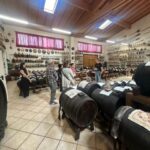
This works best as an afternoon or early evening activity when you want something social, guided, and not too long. Because it takes place in a wine bar atmosphere, you may feel more energy later in the day. If you care a lot about quiet conversation, choose a time slot earlier when the room is likely less lively.
It also fits well if you’re trying to decide between Bologna and another food-heavy city. The pairing list is strongly Bologna and Emilia-Romagna, so you’ll walk away with a sense of identity: what locals eat, how they balance flavors, and how they drink around those foods.
If you want a break from museum days and still want something authentic, this is a smart choice. It teaches you what to look for next time you’re ordering wine and food in Italy.
Should You Book This Bologna Food and Wine Tasting With the Sommelier Game?
Book it if:
- You want three specific regional wines plus a structured pairing set
- You like learning through hands-on play like the tablet Sommelier Game
- You value small-group attention rather than a big, loud crowd
- You’re excited by Bologna classics like mortadella and Parmigiano Reggiano
Skip it or rethink if:
- You need maximum privacy and a quiet, sit-down setting
- You’re looking for a long formal meal with many courses beyond tastings
- You prefer only one style of wine and dislike switching between whites and reds
FAQ
FAQ
What wines are included in the tasting?
You’ll taste three wines: Pignoletto from La Vallona, Sangiovese In Purezza from La Casetta, and Sangiovese Appassimento from Santodeno.
How much wine will I drink?
The included tasting amounts are 70 ml of Pignoletto, 130 ml of Sangiovese In Purezza, and 70 ml of Sangiovese Appassito.
What food will be included?
Food tastings include Prosciutto Crudo, Mortadella Bologna, Parmigiano Reggiano (12/24 months), Aceto Balsamico IGP di Modena, local cheese and food, plus monocultivar oil tastings (Coratina, Peranzana, Ogliarola).
Do I play a game during the tasting?
Yes. You’ll use a tablet to play the interactive Sommelier Game as part of the experience.
Is the group small?
Yes. The experience is limited to 10 participants.
What languages are available?
The hosts and greeters work in Italian and English.
Is it possible to keep tasting after the main session?
You may be able to continue after the tasting by topping up a card for additional wines, depending on the setup during your visit.
Is the experience wheelchair accessible?
Wheelchair accessibility is listed as available for this activity.