REVIEW · BOLOGNA
Bolognese Pasta Class in Bologna with a Local Expert, Giovanna C
Book on Viator →Operated by Traveling Spoon · Bookable on Viator
Bologna’s best lessons happen in a home kitchen. This private class with Giovanna C is built around real Bolognese family cooking, from making egg pasta to simmering a proper ragù-style sauce, then sitting down to eat what you made with local wine. I like that you get hands-on help rather than watching someone else work, and I like that the meal is part of the lesson, not an add-on.
You’ll get one-to-one tuition as you learn 2–3 traditional dishes, plus a typical start snack and a seasonal dessert. The only real drawback to consider is comfort at home: as is common in Italian residences, this kitchen doesn’t have air conditioning, so warm weather can feel warm.
In This Review
- Key things that make this class worth it
- A private Bologna kitchen lesson with Giovanna C
- What you’re really buying
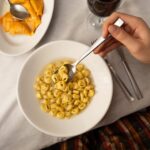
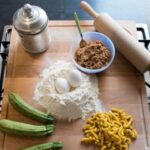
- What you’ll cook: tagliatelle al ragù, lasagne, or Gramigna
- Why the pasta choice matters
- The food run-down: crescentine, tigelle, tomatoes, pasta, side, dessert
- Start snack: crescentine or tigelle, with local fillings
- The main pasta course and a seasonal side
- Dessert to close
- Lunch with wine, at the dining table
- How the class runs in real time (and why it feels personal)
- What you’ll learn beyond the recipe
- Price and value: is $98 per person fair?
- My quick value math (the practical kind)
- Practical details that actually affect your day
- Meeting point
- Home kitchen comfort: no air conditioning
- What to wear
- Mobile ticket and confirmation timing
- Who should book this Bolognese pasta class?
- Who might reconsider
- Should you book? My take
- FAQ
- What is included in the Bolognese pasta class?
- Is this class private or shared?
- How long does the experience last?
- What recipes will I learn?
- Do I need hotel pick-up?
- Where does the experience start and end?
- Is alcohol included?
- Is there air conditioning in the home kitchen?
- Can I get a refund if my plans change?
Key things that make this class worth it
- Private lesson in a local home with Giovanna C, not a commercial cooking school vibe
- One-to-one tuition while you learn 2–3 classic Bolognese recipes
- You eat the full meal you make, including a start snack and dessert
- Local wine is included (typically 1–2 glasses) with your sit-down lunch/dinner
- Seasonal menu choices that may include tagliatelle al ragù, lasagne, or Gramigna
A private Bologna kitchen lesson with Giovanna C
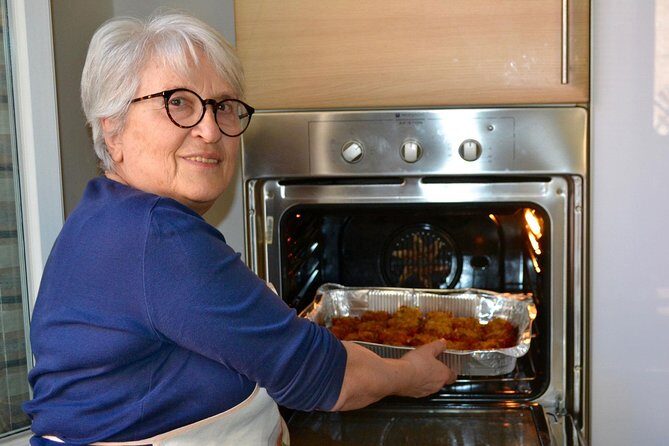
This experience is exactly the kind of thing I look for when I want to understand a place beyond photos and plaques. You’re not booking a big-room cooking session with strangers and plastic aprons. You’re stepping into a real Bologna home and learning how the food gets made there—at the pace of a family table.
The host is Giovanna C, and the class is private, so it’s only you and your group. In the best cases, you’ll also get extra help from her family during the prep and teaching moments—one previous class included Giovanna’s daughters, Lara and Francesca, which can make the experience feel like you’ve been invited in rather than processed through.
The lesson is centered on what Bologna is famous for: pork-forward sauces and egg pasta. That combo matters, because it explains why Bolognese cooking tastes the way it does. It’s not just technique; it’s ingredients, timing, and the small decisions that turn sauce into ragù instead of something flat.
Other local guide experiences in Bologna

What you’re really buying
You’re buying three things at once:
- skills you can repeat at home (pasta and sauce methods)
- context so the food makes sense (how dishes relate to Bologna)
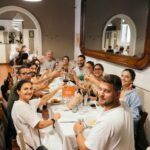
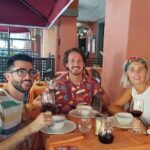
- an actual meal experience, with wine, at a dining table
That combination is why this price can feel reasonable. At $98 per person for about 3 hours, you’re paying for a private instructor plus a full meal structure, not just a quick taste-and-leave workshop.
What you’ll cook: tagliatelle al ragù, lasagne, or Gramigna
Bolognese cooking has a few “headline” dishes, and this class teaches you how those dishes are built. The core pillars are pork meat and egg pasta, and Giovanna guides you through a pasta choice and a sauce that fits.
You can expect to make something from this short list:
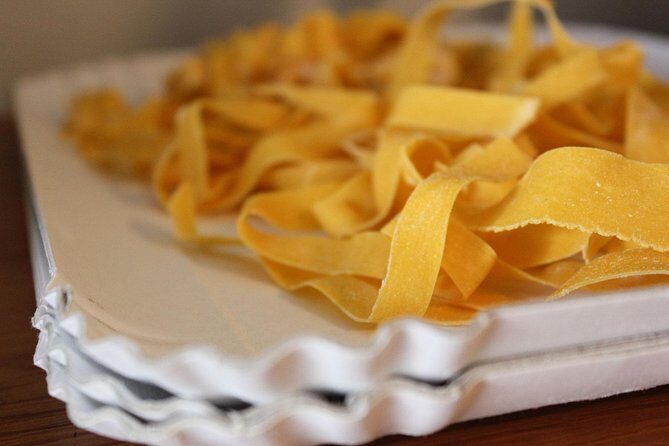
- Tagliatelle al ragù (the classic Bologna direction)
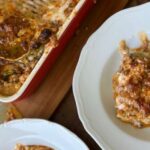
- Lasagne (the layered approach)
- Gramigna with Bolognese-style sauce, sometimes made with salsiccia from the surrounding countryside
Which one you cook depends on the lesson flow and what Giovanna decides is seasonal and workable that day. The practical point for you: don’t show up expecting a single guaranteed dish every time. Instead, treat it like a guided Bologna menu taught in a home kitchen.
Why the pasta choice matters
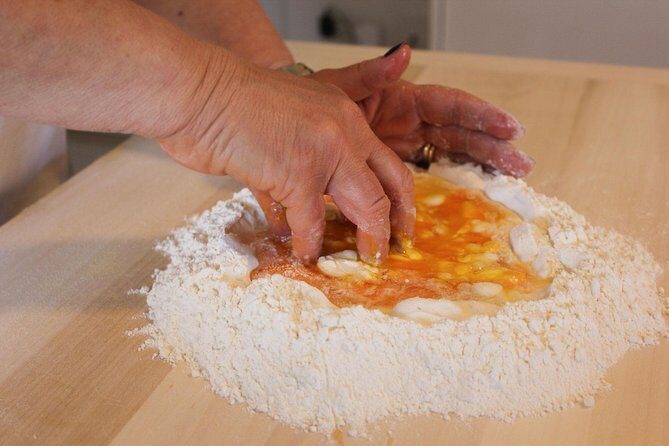
Fresh egg pasta isn’t just a flex. The texture changes the whole eating experience—how sauce clings, how it feels in your mouth, and how the dish stands up as a complete lunch. If you leave with only the sauce recipe, you’ll still miss half the magic. If you leave with both pasta and sauce methods, you’ll be able to recreate the dish in your own kitchen with far better results.
Gramigna is a fun option if you want something less touristy. It’s still unmistakably Bolognese in spirit, but it shows you that Bologna isn’t locked into one standard shape. Learning a second pasta format can make your future attempts at home more confident.
The food run-down: crescentine, tigelle, tomatoes, pasta, side, dessert
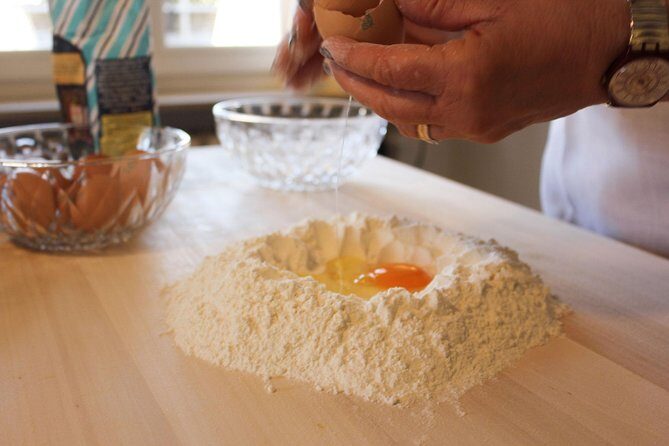
A big part of the value here is that you’re not just cooking. You also eat a full set of courses that teach you how Bolognese meals usually start and end.
Other pasta making classes in Bologna

Start snack: crescentine or tigelle, with local fillings
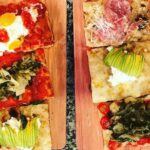
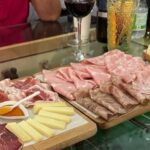
Your meal begins with a typical Bolognese snack such as crescentine or tigelle. These often come with a mix of salumi and cheese, and sometimes you’ll get oven-roasted pomodori—Italian tomatoes (when in season). This matters because it gives you a Bologna baseline right away: how the region balances cured meats, cheese, and seasonal produce.
If you’re the type who always wants to know what you’ll be eating before the first instruction, this structure is a win. You’ll know you won’t be left hungry while you work.
The main pasta course and a seasonal side
After the snack, you move into making your Bolognese pasta and the sauce (the ragù-style part). Alongside that, you’ll also learn a seasonal side dish or supporting element. The exact side can vary, but the idea is constant: your lunch isn’t just one starch and a sauce.
This is where local teaching shines. A commercial class can skip the small “what goes with what” decisions because they have a production schedule. In a home lesson, it’s normal to teach the logic.
Dessert to close
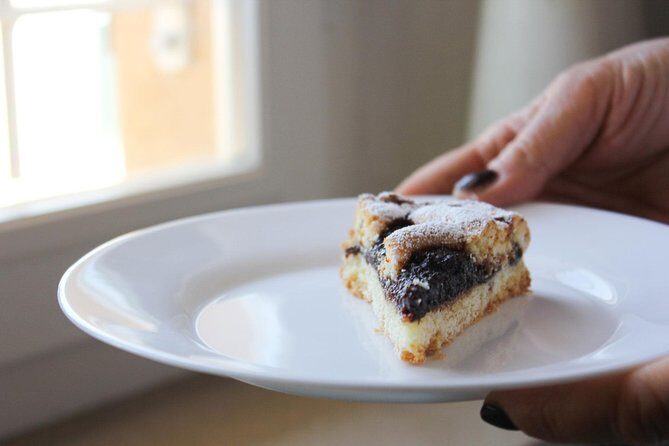
The class wraps with a seasonal dessert. You get an ending that feels like a real meal, not a demo plate. It’s also a good reminder that pasta isn’t the only star in Emilia-Romagna dining.
Lunch with wine, at the dining table
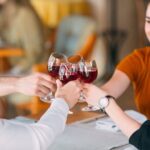
Then comes the fun part: you sit down and eat what you helped make, with local wine included. Expect typically 1–2 glasses. The wines mentioned for this experience are Pignoletto dei colli bolognesi or Lambrusco. Either way, this is a classic pairing idea in the region: wine that can handle pork sauces and doesn’t fight the flavors of egg pasta.
How the class runs in real time (and why it feels personal)
The total duration is about 3 hours, and the structure is built for a private home rhythm. That’s not a throwaway detail. When you’re in someone’s kitchen, timing has more to do with comfort and flow than a timetable.
Here’s what you can expect in broad strokes:
- You meet Giovanna at the starting point and head to her home kitchen.
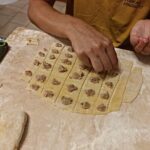
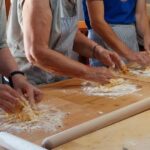
- You get instruction and then start cooking—pasta first or alongside sauce steps, depending on the day’s menu.
- You learn 2–3 traditional recipes as a set, not a random grab bag.
- You finish with a shared meal, with wine, seated at the table.
The one-to-one element is the real difference between “I made pasta” and “I learned how to do it.” When you can ask a question mid-step, you catch mistakes early. Things like dough consistency, rolling thickness, and the sauce texture all benefit from immediate feedback.
What you’ll learn beyond the recipe
Giovanna’s teaching is described as warm and culturally focused, with stories tied to specific foods. That’s not fluff. When you understand why a recipe exists or how a dish is associated with Bologna traditions, you remember it. It also makes the food feel less like a checklist and more like a living local skill.
In past classes, the teaching also included historical context about Bologna and how the dishes connect to family cooking passed down through generations. That kind of context helps you recreate with intent rather than just copying measurements.
Price and value: is $98 per person fair?
At $98 per person, you might wonder if you’re paying “too much” for pasta. In a big group class, the instructor time is stretched and the food sometimes feels like a sample. Here, the lesson is private, includes a full meal, and includes wine.
You’re getting:
- the cooking lesson itself with your host
- a meal with what you cook
- local wine (about 1–2 glasses)
- all fees and taxes
You do not get hotel pick-up or drop-off, so you’ll handle your own transit to the meeting point.
My quick value math (the practical kind)
If you price out a private instructor plus a structured lunch in Bologna, the per-person number can start making sense. Even if you don’t cook perfectly the first time at home, you’ve still gained technique you can repeat. That’s a bigger return than a one-time “eat and watch” class.
Also, this class is typically booked about 58 days in advance on average. That tells me demand is healthy. If you want your dates to line up, don’t wait until the last week.
Practical details that actually affect your day
This is one of those experiences where small logistics matter more than you’d think.
Meeting point
You meet at Via San Mamolo, 40136 Bologna and the activity ends back at the same meeting point. Since hotel pick-up isn’t included, plan a simple route from wherever you’re staying. The experience is listed as near public transportation, which is helpful if you’re not renting a car.
Home kitchen comfort: no air conditioning
A key note: the residence doesn’t have air conditioning. That’s normal for many older Italian homes, but it can matter during warm months. If you tend to overheat easily, wear light layers you can tolerate while you cook, and drink water as you need before the wine portion starts.
What to wear
You’re cooking, so dress for movement. Comfortable shoes are smart because you’ll likely be standing while rolling, shaping, or working near the stove. Also, bring a normal level of patience: you’re learning hand skills, not pressing buttons.
Mobile ticket and confirmation timing
You’ll receive confirmation within 48 hours of booking, as long as availability works. The experience uses a mobile ticket, so have your phone charged and ready to show it.
Who should book this Bolognese pasta class?
This class is best for you if you want:
- a private, home-based cooking lesson in Bologna
- a focused Bolognese menu tied to local ingredients like pork and egg pasta
- hands-on instruction where you can ask questions
- a full meal experience with wine, not just a short tasting
It’s also a good fit if you cook at home and want to level up your technique. If you’re more of a food-tour “taste and stroll” person, you might prefer something less hands-on. But if you like learning by doing, this is the sweet spot.
Who might reconsider
If you strongly dislike cooking, or you want a perfectly climate-controlled environment, the no-air-conditioning note is worth taking seriously. And because this is private in a home setting, it may not suit if you need complex accommodations.
Should you book? My take
Book this class if you want the kind of Bologna meal that feels personal and repeatable. The combination of fresh egg pasta instruction, a Bolognese-style sauce lesson, and a seated meal with local wine is hard to beat for the money. The private format is the deciding factor: you aren’t fighting for attention in a crowd.
I’d especially recommend it if you’re curious about beyond-the-headline Bolognese options, like Gramigna, and if you want both the cooking process and the cultural context that makes it stick.
If you want a class that’s more about spectacle than technique, you may feel it’s too hands-on. But for most people who love Italian food and want to bring something back to their own kitchen, this is a strong choice.
FAQ
What is included in the Bolognese pasta class?
The class includes a private cooking lesson and meal with your host Giovanna C, local wine (typically 1–2 glasses), and all fees and taxes.
Is this class private or shared?
It’s private. Only your group participates.
How long does the experience last?
The duration is approximately 3 hours.
What recipes will I learn?
You’ll learn to make 2–3 traditional Italian family recipes. This can include Bolognese pasta such as tagliatelle al ragù, lasagne, or Gramigna, along with a sauce and a side dish or dessert.
Do I need hotel pick-up?
No. Hotel pick-up and drop-off are not included.
Where does the experience start and end?
It starts at Via San Mamolo, 40136 Bologna BO, Italy and ends back at the same meeting point.
Is alcohol included?
Yes. Local wine is included, usually 1–2 glasses.
Is there air conditioning in the home kitchen?
No. The residence does not have air conditioning, which is common in many Italian homes.
Can I get a refund if my plans change?
Free cancellation is offered. You can cancel up to 24 hours in advance for a full refund.