REVIEW · BOLOGNA
Make traditional handmade pasta from scratch with a local chef!
Book on Viator →Operated by Bologna Gourmet · Bookable on Viator
Fresh pasta starts with your hands. This Bologna class is interesting because you’re not watching—you’re making traditional handmade pasta and other dishes from scratch in a real kitchen. I like that the menu is truly yours to shape, and I like the small group size, which means you get personal attention as you work. One thing to consider: this is hands-on, so you’ll spend real time rolling, shaping, and learning by doing, not just sampling food.
You meet at Largo Respighi, 8 in Bologna at 10:00am, and the session runs about 3 hours. It ends back at the meeting point, and the plan includes relaxing over lunch featuring what you made. The experience is offered in English and capped at a maximum of 10 people, so it keeps that family-kitchen feel instead of turning into a factory line.
In This Review
- Key highlights you’ll care about
- Fresh pasta by hand in a real Bologna kitchen
- Choosing your menu: pasta, a local main, and dessert
- Hands-on pasta steps with a rolling pin (and real technique)
- Lunch is the payoff: pasta + a local meat course
- Optional market time with Polaris: shopping skills you can use again
- Timing, group size, and how to show up
- Price and value: what $192.25 buys you
- Who this is best for (and who should skip it)
- Should you book this pasta-making class?
- FAQ
- What is the duration of the experience?
- What time does the class start, and where do I meet?
- Is this a demonstration or hands-on cooking?
- Do we use pasta machines?
- Can I choose what we cook?
- What are the pasta options?
- How big is the group?
- What are the cancellation terms?
Key highlights you’ll care about
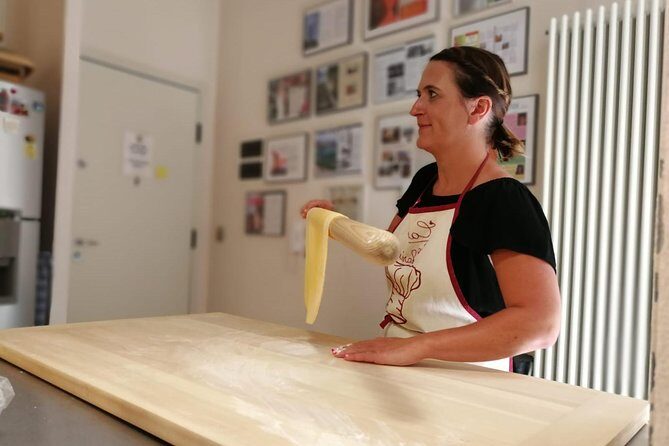
- Hands-on, not a demo: You’ll make the pasta and the rest of the meal in a working Italian kitchen.
- Rolling pin only: You learn the traditional way to roll dough (no pasta machines).
- Menu planning together: You decide pasta, a main dish, and dessert options before you start cooking.
- Small group attention: With a maximum of 10 travelers, you get guidance while your hands are actually busy.
- Real lunch at the end: You’ll sit down and eat what you produced, instead of leaving with only memories.
- Optional market time: You can request a market tour beforehand to understand typical local ingredients and what to buy.
Fresh pasta by hand in a real Bologna kitchen
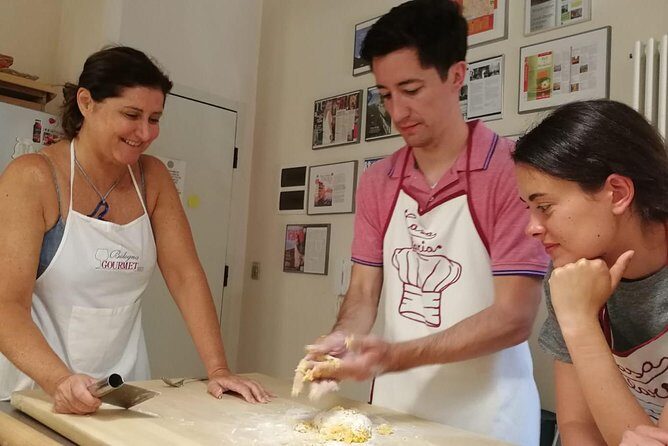
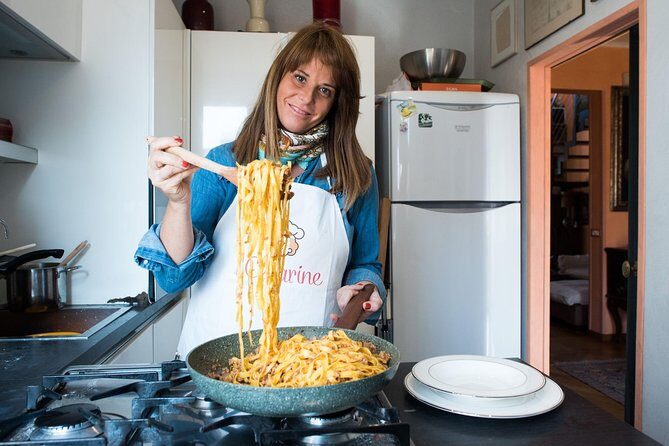
This experience is basically a master class in making fresh pasta the way Bologna folks do it at home: flour, eggs, elbow grease, and technique that you build step by step. The big promise here is simple—this isn’t a lecture. You’re guided through all the steps, and you end up understanding what’s happening in the dough and how to fix it when it goes off track.
You’ll be in a warm, professional real kitchen inside what feels like an Italian home setup. That matters, because fresh pasta isn’t only about the final shape. It’s about workflow: how you prep, how you manage your counter space, how you time things so dough and filling behave. The course is designed for small groups (maximum 10), which means you’re less likely to get stuck waiting for the instructor.
Also, it’s explicitly rolling-pin focused. The instructor teaches without relying on machines, and you’ll learn to control thickness by feel and practice. If you’re expecting a gadget-assisted shortcut, you’ll be disappointed. If you want the real craft—and pride in being able to repeat it later—this approach is exactly the point.
Other local guide experiences in Bologna

Choosing your menu: pasta, a local main, and dessert
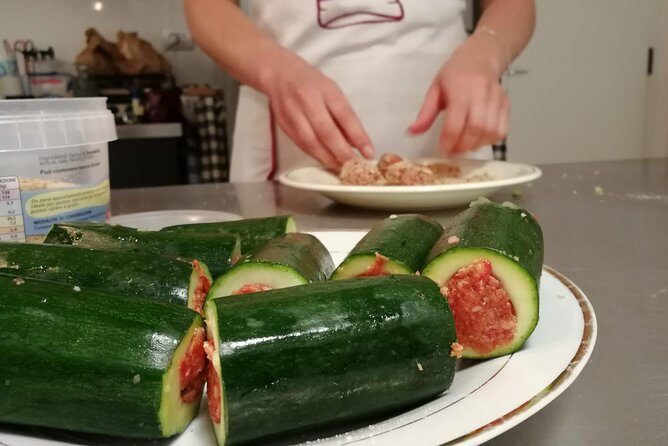
The best part for me is that you don’t get shoved into a fixed template. You can decide what you’ll cook: pasta, a meat course from the local tradition, and a dessert. And yes, the experience is set up so you can choose among multiple options.
For pasta, you can make things like tagliatelle with ragù, tortellini, tortelloni with ricotta, ravioli, or lasagne. That variety is useful because it lets you pick based on your comfort level. For example, some shapes are more time-consuming and delicate, while others are easier to master quickly. If you’re the kind of cook who wants challenge, go for the more fiddly shapes. If you’d rather leave with confidence and great results, pick the option that matches how you learn.
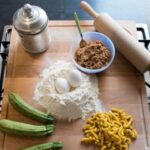
For the main course, you’ll work on something from Bologna’s meat-centered tradition, with choices such as zucchini stuffed with meat, cotoletta alla bolognese, meatballs and peas. This adds a second skill set beyond pasta. Pasta uses technique and timing; a meat course adds flavor-building and handling filling or breading depending on what you select.
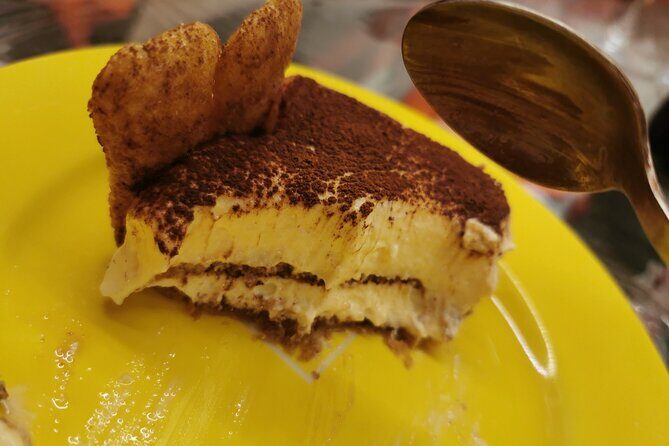
Dessert finishes the meal with classic Italian favorites like tiramisù, panna cotta, chocolate salami, or chocolate cake. That’s a smart pairing with the pasta work. You’re already focused on dough and texture, and dessert brings you right back to that theme—how ingredients behave, how to get the right consistency, and how not to rush critical steps.
Important practical note: you’re encouraged to contact the operator before booking so you and the chef can decide the dishes together. If you show up without a preference, you may still be able to choose on the spot, but it’s better to plan ahead so the kitchen workflow lines up smoothly for the group.
Hands-on pasta steps with a rolling pin (and real technique)
The class is hands-on and designed to teach you the full process, not just how to shape at the end. You’ll learn how to make fresh pasta dough and how to turn it into something beautiful. You’ll also get guidance that’s based on years of teaching—so it’s not random trial and error.
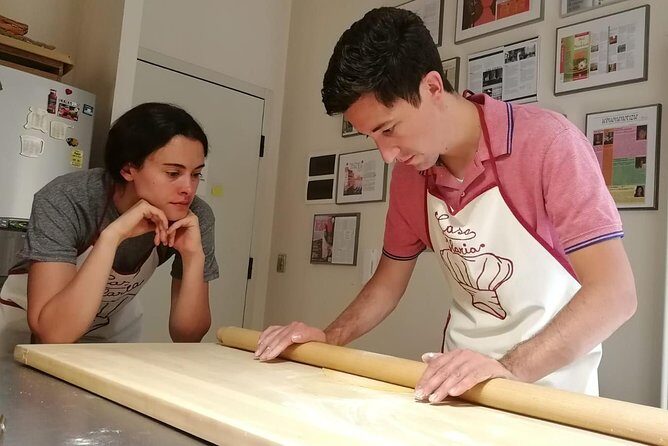
Here’s what you should expect from the rolling-pin approach. You’ll be working the dough until it’s cooperative, then rolling it out to a workable thickness. That sounds basic, but it’s where most beginners need coaching. Rolling is a balancing act: too thick and your pasta feels heavy; too thin and it can tear or behave badly. With machines, the consistency is often easier. With a rolling pin, you’re training your eye and your hands.
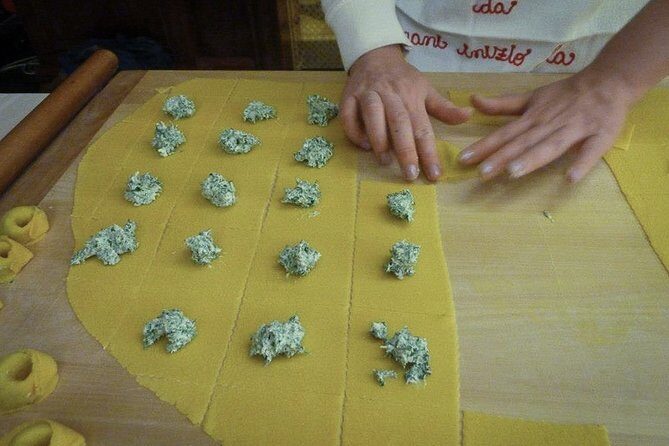
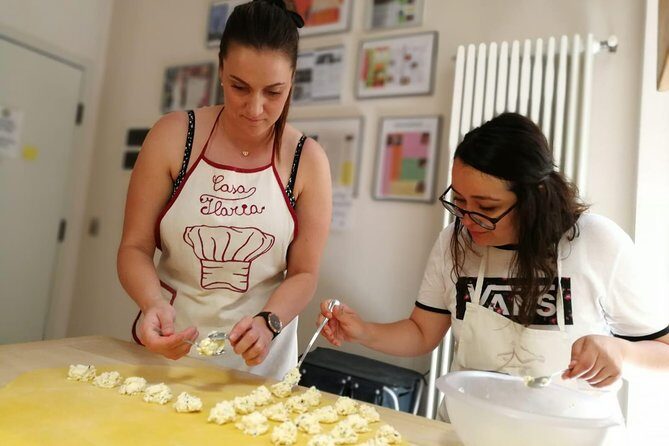
Then comes the shaping. If your menu choice includes filled pasta (tortellini, tortelloni, ravioli), you’ll practice portioning and sealing—because a sloppy seal turns into a messy simmer. If you choose tagliatelle or lasagne, the focus shifts to rolling, cutting or layering, and keeping sheets manageable.
One plus: you’re making it in a warm, real kitchen while the instructor watches what your hands are doing. That’s how you learn quickly. Another plus: you’ll understand the logic behind the technique, which is what lets you repeat it later at home.
A small caution: because it’s hands-on and rolling-pin focused, you’ll want to be mentally ready to put effort into dough. If you’re hoping for a leisurely “watch and taste” afternoon, this one will feel like work—in the best possible way.
Lunch is the payoff: pasta + a local meat course
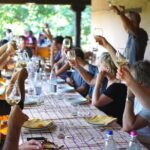
After you’ve cooked, you relax over lunch featuring the dishes you made. This matters more than it sounds. Many cooking classes feel like a workshop that you leave before you properly enjoy the results. Here, the meal is part of the experience, so you get to taste what you built while it’s still fresh and fresh pasta is at its best.
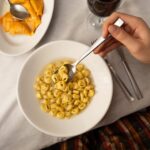
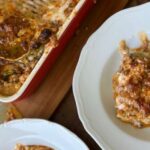
What you eat will reflect your menu choices: you might have tagliatelle with ragù, lasagne, tortellini or tortelloni, plus one of the meat-course options like cotoletta alla bolognese or meatballs and peas. The instructor helps you get to the finish line, but you’re the one who put the work in, so you’ll recognize the flavors and textures more clearly than you would in a restaurant.
From a value standpoint, this is important. You’re not paying just for the act of cooking—you’re paying for an experience that ends with a full sit-down meal. You also leave with something practical: a sense of how Bologna flavors fit together. Pasta is only half the equation. The main course choices bring in local technique and seasoning, and dessert caps it off with Italian standards you’ll be able to remember later.
Optional market time with Polaris: shopping skills you can use again
If you can, do the extra market add-on. One of the strongest pieces of feedback you’ll want to act on is the recommendation to take the extra hour to go to market with Polaris. In practical terms, that’s where you learn how Bologna ingredients are selected—what looks good, what to ask for, and how to think about freshness when you’re planning your own cooking later.
The program description says a market tour can be arranged on request before the class. That’s a big deal because it changes how you approach the lesson. When you understand ingredients, you can shop better at home, and you can reproduce more accurately. Even if you skip the market option, the class teaches you techniques—but adding the market piece gives you ingredient context.
Potential drawback: it adds time before the cooking starts. If you’re on a tight schedule in Bologna, you’ll need to decide if that extra hour is worth it. I’d still say it’s a high-return option if your goal is to learn more than the mechanics of pasta.
Timing, group size, and how to show up
The tour runs about 3 hours, starting at 10:00am. The meeting point is Largo Respighi, 8, 40126 Bologna BO, Italy, and it ends back there. It’s offered in English, and it’s designed for very small groups—maximum 10 travelers—so you won’t be stuck in the back of a room.
You should also know there’s a minimum of two persons required. If you’re traveling solo, you may need to coordinate with another person or check whether private pairing is possible through the operator.
Near public transportation, which is good if you’re bouncing between sights. And because it’s a home-kitchen style class, you’ll likely want to dress in a way that handles a bit of mess. Think comfortable shoes and clothing that can handle flour dust. You don’t need to bring anything fancy based on what’s provided, but show up ready to cook, not just to photograph.
Price and value: what $192.25 buys you
At $192.25 per person for about 3 hours, this isn’t a bargain deal. It also isn’t priced like a casual tasting. The value is in the structure: small-group, hands-on instruction, and a full meal built from scratch. You’re paying for an experienced teacher, a real kitchen setup, and the time it takes to guide you through multiple dishes—pasta plus a main course plus dessert.
Here’s why I think it holds up financially. You leave with skills you can repeat: how dough should feel, how to roll without a machine, how to shape pasta and handle fillings if your menu includes them, and how to prepare a meat course and finish with an Italian dessert. That’s not just entertainment; it’s a transferable cooking skill.
Also, the included lunch effect matters. If you’ve ever done a cooking class where you walk away hungry, you know why this is smart. Here, the meal is part of the experience, so you don’t end with a stomach full of snacks while your real food happens off-camera.
The other factor is timing. On average, it’s booked about 37 days in advance, so if you want a specific menu option or time slot, plan ahead.
Who this is best for (and who should skip it)
This class is perfect if you want a practical, authentic Bologna experience without the museum-energy feeling. It’s especially good for:
- Couples or small groups who want shared hands-on learning
- People who like food craft and want to master basics like dough, rolling, and shaping
- Visitors who care about doing it the right way—Bologna-style—then sitting down to enjoy the results
It may not be the best fit if:
- You want a passive experience (this is hands-on)
- You’re short on time and can’t spare a full 3-hour block
- You expect machine-made pasta convenience (the class uses a rolling pin)
Should you book this pasta-making class?
Yes—if you’re after real technique and a meal you helped create. The strongest reasons to book are the hands-on format, the small-group attention, and the rolling-pin approach that teaches you skills you can actually repeat.
If you do want to make the most of it, reach out before booking to lock in your menu preferences. Pick the pasta and main course that match your appetite for challenge. And if you’re even slightly interested in buying the right ingredients later, ask about the optional market tour with Polaris—it’s the kind of add-on that turns a cooking lesson into a practical food education.
FAQ
What is the duration of the experience?
It lasts about 3 hours.
What time does the class start, and where do I meet?
The start time is 10:00am, and you meet at Largo Respighi, 8, 40126 Bologna BO, Italy.
Is this a demonstration or hands-on cooking?
It’s a real hands-on class. You make the pasta and other dishes in the kitchen, not just watch.
Do we use pasta machines?
No. Handmade pasta is made using only the rolling pin.
Can I choose what we cook?
Yes. You decide the menu together, including pasta, a main dish, and dessert. You’re asked to contact the operator before booking to decide what you’ll prepare.
What are the pasta options?
You can choose from tagliatelle with ragù, tortellini, tortelloni with ricotta, ravioli, or lasagne.
How big is the group?
It’s a small group experience with a maximum of 10 travelers.
What are the cancellation terms?
You can cancel for a full refund if you do so at least 24 hours before the experience’s start time. Free cancellation is available up to that point.