REVIEW · BOLOGNA
Pasta and Tiramisu Masterclass with organic wines
Book on Viator →Operated by Stay Hungry Stay Bologna · Bookable on Viator
Candlelit pasta, then organic wine that won’t quit. This is a 2.5-hour Bologna cooking class set in a home-style dinner atmosphere, where you learn dough technique and make classic dishes the way locals do. I love that the meal is built around organic wines chosen by a sommelier from small producers, with red, white, and bubbles showing up through the night. I also love the human side: the chef teaches a dough method learned when they were a kid with a grandma, and the tiramisu uses a 100-year-old family recipe.
One thing to consider: the wine is unlimited by design, so if you’re the type who prefers a small taste and then switches to water, you’ll need to pace yourself and stay present for the cooking and tasting flow. Also, it’s capped at just 8 people, which is great for focus, but it means sessions can fill, so keep an eye on your booking confirmation.
In This Review
- Key things to know before you go
- Why Bologna’s candlelit setting makes the cooking stick
- The organic wine pairing: how to think about the matches
- Inside the dough lesson: the Bologna basics you can reuse
- Tagliatelle and ragù: the sauce logic behind the pride
- Tortellini and maccheroni: hands-on shaping, not just watching
- Tiramisu with organic wine: finishing with the right kind of sweetness
- Value for $91.92: what you’re paying for and why it can be worth it
- Who this class is best for (and who should choose differently)
- Quick practicalities that affect your night
- Should you book this Bologna pasta and tiramisu masterclass?
Key things to know before you go
- Organic wine pairing, not side-by-side bottles: the sommelier matches wine to what you cook and eat.
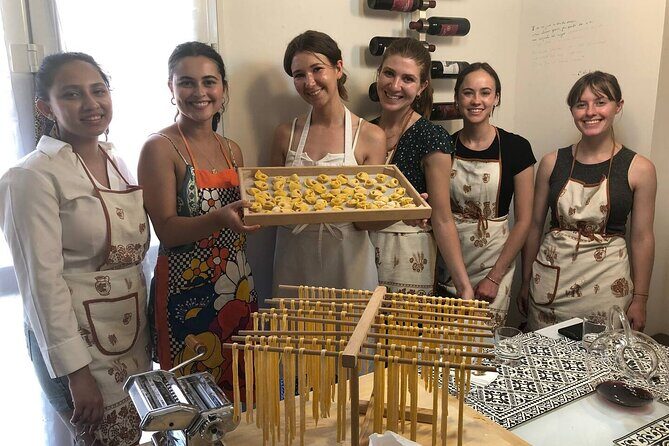
- Three Bologna pasta shapes: tagliatelle, tortellini, and maccheroni, taught in one sitting.
- Ragù logic for tagliatelle: you’ll learn how the classic sauce fits the noodles.
- Tiramisu from a family recipe: a grandmother-style finish paired with wine.
- Small group, 8 people max: more hands-on attention and fewer bottlenecks.
Why Bologna’s candlelit setting makes the cooking stick
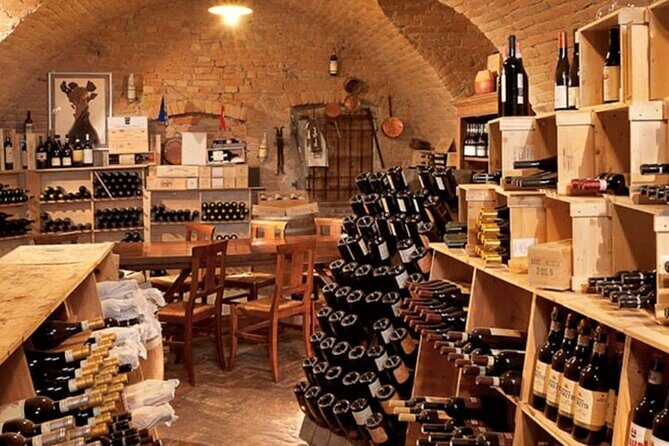
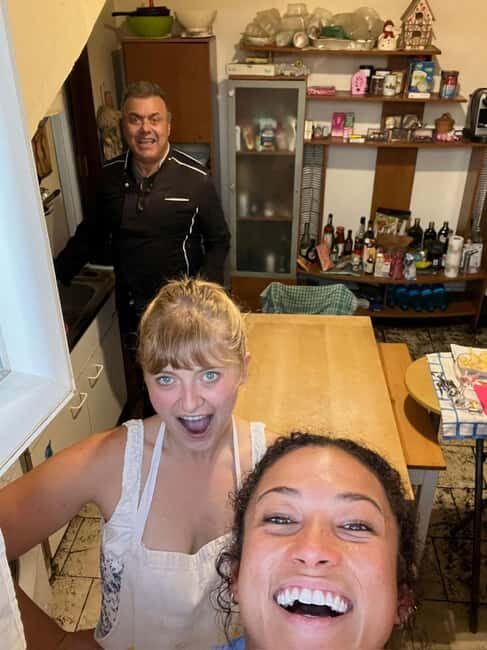
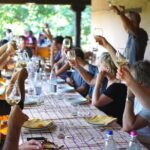
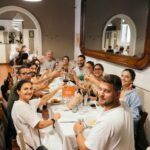
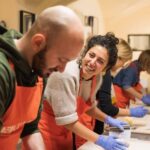
Bologna earns its reputation for food, and this class leans into that directly. You’re not heading to a big factory-style studio. You’re walking into a home atmosphere with candlelight dinner vibes, which changes the whole tempo. The cooking feels like learning from someone’s kitchen, not marching through a show.
This format matters for two reasons. First, it supports the hands-on dough work. When the room feels comfortable and unhurried, you’re more likely to notice what the chef is doing—how they handle the dough, what texture they aim for, and how they correct you. Second, it pairs naturally with wine. When you’re tasting while learning, you start connecting flavor choices to technique, not just eating at the end.
You’ll also see that this isn’t only a “recipe dump.” The chef teaches secrets they learned as a kid, so the class is about method you can use later, even if your home kitchen isn’t exactly like theirs.
Other pasta making classes in Bologna
The organic wine pairing: how to think about the matches
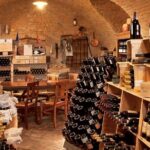
This is the heart of the experience. The wines are all organic, selected from small Italian producers, and specifically chosen by the sommelier. The class opens with tasting, and then the pacing continues as your meal moves from pasta dough to sauce to dessert.
Here’s what you can expect in practice:
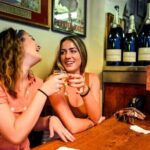
- You’ll taste red, white, and bubbles during the meal.
- The tasting is described as unlimited, so you can keep sampling as the chef guides the pairings.
- The selection is meant to be hard to find in stores, since these are small wineries making no more than 10k bottles a year.
Why this pairing style is valuable: it trains your palate to look for patterns. With wine-and-food matching, people often memorize rules like always pair red with meat. This class pushes you toward something more useful: pairing wine structure (acidity, fruit, tannins, bubbles) with food structure (fat in sauce, chew in fresh pasta, cocoa bitterness in tiramisu). Even if you don’t become a wine nerd overnight, you’ll leave with a clearer sense of what makes a match feel right.
One practical tip: if you’re curious about which wine goes with which course, slow down long enough to take a mental note. The class won’t help you remember on its own, and organic small-producer wines can be hard to recall later unless you anchor them in your mind.
Also, the sommelier part is important. If you’ve ever had a wine tasting where everyone shrugs at the question of why a specific bottle works, you’ll appreciate that this one is built around the food you’re making. The pairing isn’t random.
Inside the dough lesson: the Bologna basics you can reuse
The cooking class centers on dough technique, taught by a local chef who frames it as something learned over time. In Bologna, fresh pasta isn’t treated like a fancy hobby. It’s treated like a craft—respect the ingredients, get the texture right, then let the sauce and shape do their jobs.
You’ll make three types of pasta typical of Bologna:
- Tagliatelle
- Tortellini
- Maccheroni
Even though the details of exactly how the class is paced aren’t listed step-by-step, the structure is clear: you’ll learn dough basics, shape practice, and then cook or assemble the dishes you’re making as the meal progresses.
What you’ll likely get out of the dough work:
- A better feel for texture, not just measurements
- The idea of how pasta shape changes the eating experience
- Confidence to make fresh pasta at home without it turning into a sticky mess
This matters because fresh pasta success is mostly about feel. You can follow a recipe perfectly and still end up with pasta that tastes fine but doesn’t match the dish’s ideal bite. A teacher who knows what texture they’re aiming for helps you get there.
Tagliatelle and ragù: the sauce logic behind the pride
Bolognese ragù often gets described like it’s the whole meal. Here, you’ll see the logic instead: ragù pairs with tagliatelle, and the class treats it as the oldest and most tasty sauce connection in town.
That pairing is more than tradition. It’s functional:
- Tagliatelle has a flat, noodle shape that holds sauce well.
- Ragù has a rich, slow-cooked style that benefits from a noodle that can carry it without disappearing.
As you learn, pay attention to how the chef talks about the sauce and how it behaves with the pasta. That’s where you’ll get transferable knowledge. If you later make ragù at home, you’ll know what you’re trying to achieve, not just what you’re trying to pour.
The class experience is built so that you’re tasting as you go. So instead of learning theory first and eating later, you learn and then confirm the result with wine pairing and a finished plate. That’s a smart way to absorb technique.
Tortellini and maccheroni: hands-on shaping, not just watching
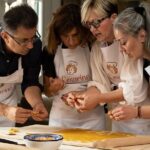
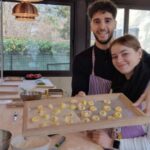
Tortellini and maccheroni bring the class beyond a simple tagliatelle-and-sauce lesson. Shaping is where lots of cooking classes turn into either a demo or a frustration. In this one, the group is small (maximum 8), which helps keep it hands-on.
Here’s what to expect from the shaping portion:
- You’ll practice working with dough beyond one simple cut.
- You’ll spend time on the tactile details that make each pasta type feel distinct.
- You’ll connect the final shape to how it will eat with sauce and fillings.
If you like cooking that involves technique and a bit of patience, you’ll enjoy this. If you’re coming in expecting everything to be fast and hands-off, you might feel that the “masterclass” part takes a little commitment. But that’s also why it’s worth doing in person.
Other tiramisu cooking classes in Bologna
Tiramisu with organic wine: finishing with the right kind of sweetness
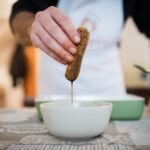
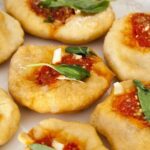
Dessert is not an afterthought here. The class ends with tiramisu made using a family recipe described as 100 years old. That’s a big promise, and in a class like this, it usually translates into a careful method and a focus on balance—cocoa, cream, and coffee tones working together.
Then the wine pairing continues into the dessert. Since the tasting is unlimited and wines include reds, whites, and bubbles, you’ll get a chance to see how organic wine flavors interact with cocoa bitterness and coffee depth.
Practical advice for the dessert course:
- Taste the tiramisu once before you adjust anything. Let the coffee-cocoa baseline speak first.
- Then take another bite with the wine pairing. Notice whether the wine makes the dessert taste sweeter, drier, sharper, or rounder.
Even if you don’t normally order tiramisu at Italian restaurants, this kind of pairing makes dessert feel like part of the same learning arc as the pasta.
Value for $91.92: what you’re paying for and why it can be worth it
At $91.92 per person for about 2 hours 30 minutes, the price lands in the “worth it if you’ll use the experience” category. This isn’t just a meal. It’s a structured cooking workshop plus ongoing tastings built around organic wine from small producers.
You’re paying for:
- A chef-led pasta session featuring three Bologna pasta types
- A ragù pairing focus
- A tiramisu finish using a 100-year-old family recipe
- Sommelier-selected organic wines, with red/white/bubbles during the meal
- A small group size (8 max), which usually improves hands-on teaching
You should also think about what you would pay for separately in Bologna. If you’d otherwise buy a nice dinner and then add a wine tasting, your total climbs fast. Here, the cost is bundled into one guided night, and the pacing ties food and wine together.
Booking timing can matter too. The average booking window is 34 days in advance, which fits a small-group format. If your dates are firm, I’d plan ahead rather than assuming you can walk in.
Who this class is best for (and who should choose differently)
This experience fits you if:
- You want classic Bologna cooking in a hands-on way, not a quick demo
- You care about wine pairing and want organic small-producer bottles you might not find in stores
- You enjoy intimate settings with more personal interaction
- You’re excited by technique: dough, shape, and sauce logic
You might want to skip or choose a different option if:
- You don’t drink wine and don’t want an unlimited tasting atmosphere
- You want a purely observational class with no focus on tasting
- Your schedule is extremely rigid and you can’t handle a possible last-minute change (in small-group experiences, issues can show up fast)
Quick practicalities that affect your night
The meeting point is Via Bellinzona, 12, 40135 Bologna BO, Italy, and the activity ends back there. You’ll have a mobile ticket, and it’s near public transportation, which helps if you’re juggling other Bologna stops.
The class runs about 2 hours 30 minutes. With cooking plus wine plus dessert, you’ll want to start the evening fresh. Don’t stack another long activity right after unless you’re the type who loves to run on adrenaline.
A nice detail from past participants: Federico is reported to have messaged the day before to discuss and confirm that everything was fine for the session. If you don’t hear anything ahead of time, it’s still smart to message the provider and confirm key details so you’re not guessing on arrival.
Should you book this Bologna pasta and tiramisu masterclass?
Book it if you want one of the most Bologna-feeling evenings possible: fresh pasta craft, ragù culture, and dessert finished with organic wine pairings from small producers. The small group size and chef-led dough focus make it more than a meal out.
Skip it if wine isn’t your thing, or if your travel schedule is so tight that any small hiccup would ruin your day. Also, since wine tasting is unlimited, plan your pace and don’t treat it like a quick sip-and-go.
If you’re deciding, I’d tell you this: for $91.92, you’re really buying the combination. The dough teaching plus the sommelier-led organic pairing is the value. The meal is the output, but the learning is the product.