REVIEW · BOLOGNA
Walking tour unveiling Bologna
Book on Viator →Operated by Bologna Accomodation · Bookable on Viator
Bologna looks best when someone points things out for you. This walking tour strings together the city’s towers, arcades, and medieval corners with story-driven stops, plus a Romagna street-food taste that keeps it from becoming all talking. The two big wins for me are how the route focuses on the most recognizable Bolognese symbols (not random streets) and how the guide brings them to life, like what you see in the former Ghetto and how the porticoes shape the city. The main thing to consider is that extra food and drinks beyond the street-food taste may cost extra, since coffee and lunch are listed as not included.
You’ll also like the format: a 3 to 4 hour walk with short segments at each stop, designed for a small group (up to 15). Recent guides named Olga, Mirko, and Elena were praised for clear history and helpful restaurant recommendations, and even one guide reached out ahead of time to confirm the meeting.
In This Review
- Key highlights you should not miss
- Bologna’s Towers and Arcades Make More Sense With a Human Guide
- What the small-group size changes for you
- Coffee Taste on Via Guglielmo Oberdan (Caffè Terzi stop)
- How to handle this stop if you do not want coffee
- Past the Former Ghetto to the Two Towers (Torre degli Asinell)
- A practical note about tower energy
- Corte Isolani: The Porticoes That Define Bologna
- Why this stop is valuable
- Piazza Santo Stefano and the Seven Little Churches
- What you should do during this hour
- Possible drawback: it’s a slower moment
- Via Borgonuovo: Romagna Street-Food Taste
- Food-planning advice
- Pace, timing, and what it feels like on your feet
- What to wear
- Who this is best for
- Price and value: is $45.71 a good deal?
- The value equation I’d use before you book
- Guides, small details, and why people love the experience
- Should you book the Walking Tour Unveiling Bologna?
- FAQ
- How long is the Walking Tour Unveiling Bologna?
- What does the tour cost?
- Where do we meet, and does the tour end nearby?
- What is included in the price?
- What is not included?
- Is the ticket mobile?
- What about cancellation?
- Summary
Key highlights you should not miss
- Neptune Square start: easy landmark meeting point for a smoother first hour.
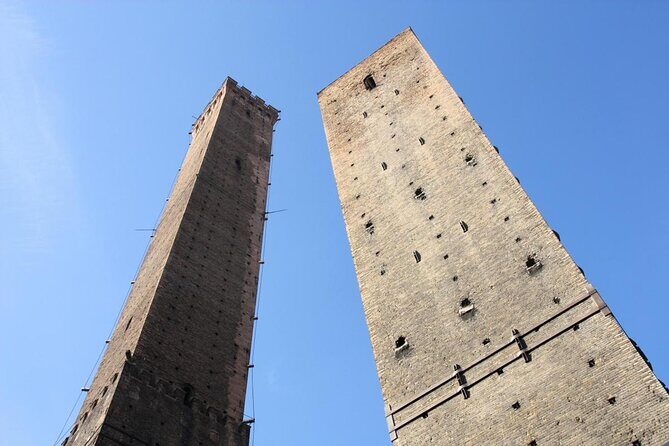
- Towers plus context: you learn why Torre degli Asinell matters and what you’re walking through.
- Arcades on purpose: Corte Isolani is a real portico story, not a quick photo stop.
- Piazza Santo Stefano’s seven churches: medieval square with a link to Dante’s creative world.
- Romagna street-food taste: a real local-food moment during the walk.
- Small group pace (max 15): short stops keep the tour moving without feeling rushed.
Bologna’s Towers and Arcades Make More Sense With a Human Guide
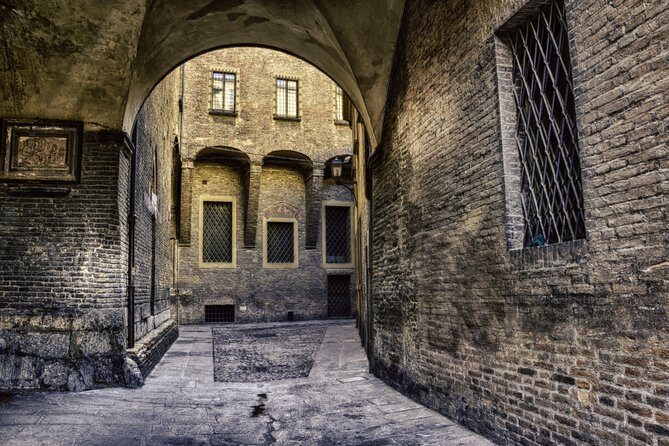
Bologna can feel like a maze until you understand its building blocks. The towers, the long arcades, and the medieval streets are not just scenery. They explain how the city worked, how neighborhoods formed, and why certain places matter more than others.
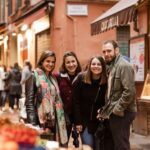
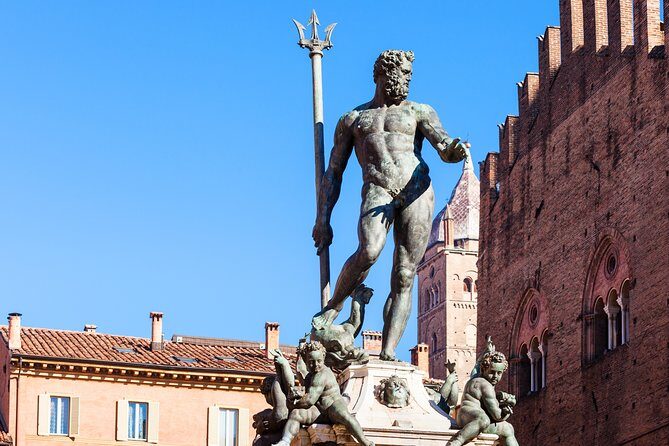
This tour is built for first-timers and return visitors alike because it hits the core “Bologna identity” components in a logical sequence. You start at Piazza del Nettuno, then move through the historic center with a local expert who ties the architecture to stories. With a maximum of 15 people, you’re less likely to get lost in the back row, and the guide can actually answer questions as you go.
Other walking tours we've reviewed in Bologna

What the small-group size changes for you
- You get more time at each stop, even though the overall walk is only 3 to 4 hours.
- The experience tends to feel like a walk with a guide, not a bus tour that happens to be walking.
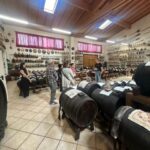
Coffee Taste on Via Guglielmo Oberdan (Caffè Terzi stop)
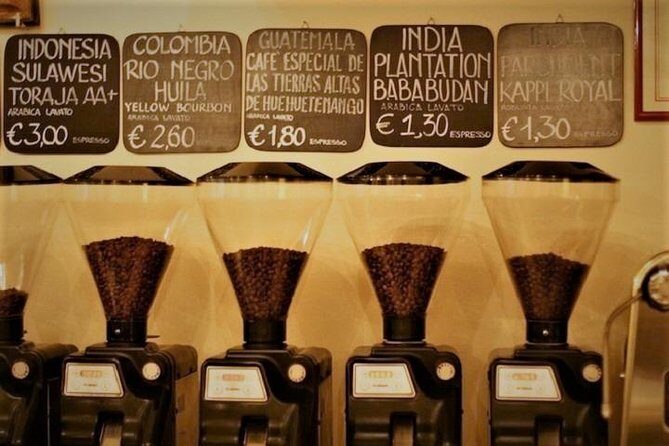
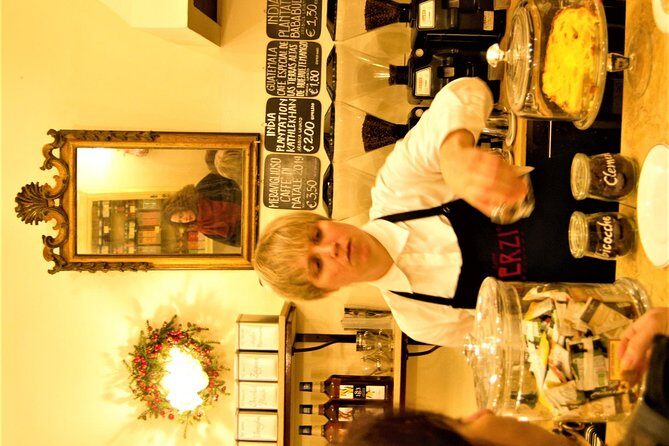
Your tour kicks off on Via Guglielmo Oberdan, where you get a coffee taste and a quick intro to what’s special about Bologna’s coffee culture. The coffee is associated with Caffè Terzi on this experience, but coffee and/or tea are listed as not included, so plan for the possibility of an extra purchase depending on how the tasting is handled.
This is a smart start for two reasons. First, it helps you get oriented in the city before you head into the densest historic streets. Second, it sets the theme: Bologna is all about everyday rituals, not just major monuments.
How to handle this stop if you do not want coffee
If you prefer tea or you’d rather not buy anything, you can still treat this as a warm-up moment for the route. Just keep your expectations flexible, since the drink is not guaranteed as included in the price.
Past the Former Ghetto to the Two Towers (Torre degli Asinell)
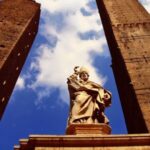
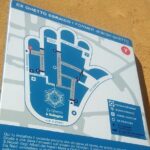
Next up is Le Due Torri, with a highlight on Torre degli Asinell. The route includes passing through a little alleyway from the former Ghetto area, which adds weight to an otherwise classic photo-and-postcard landmark. These towers were symbols of power and civic identity, and the context makes the architecture feel purposeful instead of just tall.
This part of the walk is about learning how to look. You’ll be guided on what the towers represent in Bologna’s story, and what to notice as you move between narrow lanes and views that open up.



A practical note about tower energy
Expect this to be more about meaning and sightlines than a long tower visit. The stop is about 30 minutes, so use that time to ask your guide what’s worth noticing from street level, not just what you hope to see from far away.
Corte Isolani: The Porticoes That Define Bologna

Then you head to Corte Isolani, where you’ll discover an ancient porticoes legacy and pass through Isolani’s courts to reach Piazza S. Stefano. Porticoes in Bologna are not a single street feature; they’re a city system. They create sheltered walkways that shape daily life, commerce, and even how people move during rain.
If you’ve ever wondered why Bologna feels so walkable, this is the explanation in physical form. The guide points out the details that make porticoes more than decoration: how they function as protection, how they connect spaces, and why they became part of Bologna’s identity.
Why this stop is valuable
- It helps you understand why the city’s historic center works as a pedestrian maze.
- It prepares you for what you’ll see in the Santo Stefano area, because the porticoes and courts are the connective tissue.
Piazza Santo Stefano and the Seven Little Churches
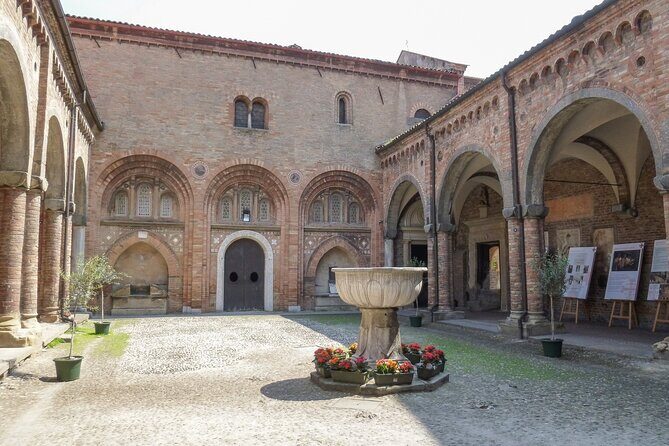
At Piazza Santo Stefano, you get into one of the most prominent medieval squares in the historic center. This stop is longer at about 1 hour, and it’s designed to be a calm focus point after the narrower streets.
The big takeaway here is the seven little churches. The tour guides you through access to them, then adds a literary connection: where Dante’s writing for his comedy drew inspiration. Even if you’re not a Dante superfan, this adds a layer of meaning that turns a square into a place with ideas behind it.
What you should do during this hour
- Keep your eyes up and around. Squares can trick you into thinking the view is the only story.
- Ask what makes the churches different from each other. The point is to notice variety within a shared setting.
Possible drawback: it’s a slower moment
Because this is the longest stop, it can feel like a pause if you prefer constant movement. That said, it’s also the right place to slow down, because you’ll be looking at multiple linked sites rather than just one.
Via Borgonuovo: Romagna Street-Food Taste
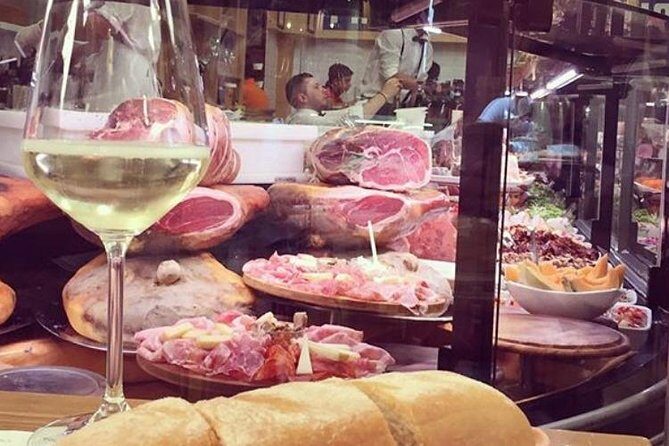
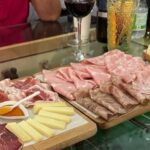
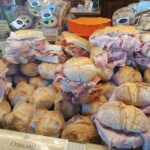
Finally, the tour ends with food, on Via Borgonuovo. Here you’ll get a tasting and an introduction to typical street food from the Romagna area. The stop runs about 45 minutes and is the clearest payoff moment: you’ll taste something local while the guide connects it to the broader way Bologna and its region live.
This is also where you can balance your expectations. Coffee and lunch are listed as not included, but the itinerary does include this street-food tasting portion. So treat it as a sample you’ll enjoy, not a full meal replacement.
Food-planning advice
If you know you’ll get hungry later, plan to have dinner nearby after the tasting ends. This tour is built to finish back at the meeting point, not to serve as your whole day’s food plan.
Pace, timing, and what it feels like on your feet
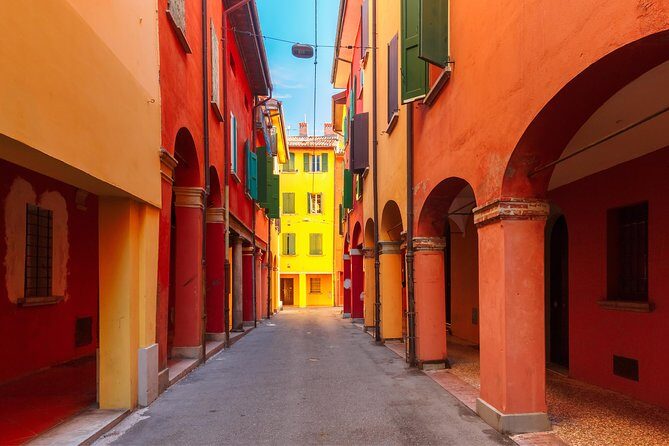
The walking tour runs about 3 to 4 hours, with short 30-minute style segments early on and a longer focus period at Santo Stefano. That pacing matters because Bologna’s center can tire you out quickly if you do it solo, especially when you’re stopping for photos every five minutes.
This tour’s structure keeps you moving while still giving time for real context. It’s ideal when you want the highlights without needing to build your own route.
What to wear
Wear comfortable shoes. Even when the distances are manageable, Bologna’s streets can be uneven and compact, and you’ll spend time standing during sight stops.
Who this is best for
- First-time visitors who want the Bolognese “greatest hits” done properly.
- People who like architecture when it’s explained with human stories.
- Food-minded travelers who want a street-food taste without committing to a sit-down lunch.
Price and value: is $45.71 a good deal?
At $45.71 per person, this tour sits in the “light investment for a lot of clarity” category. You’re paying primarily for guided interpretation: the ordering of stops, the explanations of towers and porticoes, and the literary and historical context around Piazza Santo Stefano.
The price looks even better once you factor in the small group size (up to 15) and the included mini-guide. The areas that could affect total cost are easy to understand ahead of time: coffee/tea and a lunch break with piadina are listed as not included.
The value equation I’d use before you book
- If you want a guided walking route and you’ll enjoy a street-food taste, the base price feels fair.
- If you plan to buy coffee and then also want a full piadina lunch as part of the day, you should budget extra. The tour is structured so the walking and tastings happen, but lunch is not guaranteed included.
Guides, small details, and why people love the experience
One theme from the best feedback is the guide quality. Names like Olga, Mirko, and Elena came up with praise for being engaging and for making the city click fast. Another detail: at least one guide confirmed the meeting appointment ahead of time, which makes a huge difference when you’re trying to find your start spot in the historic center.
The other thing I like about this format is that you come away with practical next steps, not just facts. Restaurant recommendations were specifically mentioned as helpful, and that’s exactly what you want after a tour: where to eat without gambling on tourist traps.
Should you book the Walking Tour Unveiling Bologna?
I’d book this if you want a focused intro to Bologna that includes the towers, arcades, Piazza Santo Stefano, and a Romagna street-food tasting in one half-day walk. It’s also a good choice if you value clear explanations tied to what you’re seeing right now, not a long lecture.
Skip it or at least adjust expectations if you only want food and photos and you don’t care about architecture and story context. And if you’re sensitive to extra costs, remember coffee/tea and lunch are listed as not included, so you’ll likely need a little additional budget for those parts of the day.
FAQ
How long is the Walking Tour Unveiling Bologna?
It lasts about 3 to 4 hours.
What does the tour cost?
The price is $45.71 per person.
Where do we meet, and does the tour end nearby?
You start at Piazza del Nettuno and the activity ends back at the meeting point.
What is included in the price?
The tour includes a mini-guide. You also have scheduled stops such as the street-food tasting.
What is not included?
Coffee and/or tea are listed as not included, and there is also a lunch break with piadina that is not included.
Is the ticket mobile?
Yes, the tour uses a mobile ticket.
What about cancellation?
Free cancellation is available up to 24 hours in advance for a full refund.
Summary
A well-paced, small-group walk that connects Bologna’s most iconic spots to real meaning, then pays it off with a Romagna street-food taste. If you want a guided route that helps the city make sense quickly, this is an easy yes.